As Uganda steps into 2026, its economy is cautiously moving forward, much like a long-distance runner pacing itself for the road ahead. The political landscape, especially after the January presidential election, has created a period of uncertainty and restraint in the business community. In the weeks preceding the election, markets slowed down, investment decisions were postponed, and there was a general sense of apprehension in boardrooms across the country. Businesses, both small and large, were reluctant to make significant moves, unsure of the political climate and its impact on Uganda’s fiscal policies and economic stability.
This period of restraint came to a head when the government imposed a nationwide internet blackout in the days leading up to the election, disrupting digital commerce, mobile money transactions, and banking services vital to the functioning of small and medium enterprises (SMEs). As Uganda’s business sector adjusts to the post-election environment, businesses now face the dual task of recalibrating their strategies while navigating the fiscal pressures and policy changes that come with a new government term.
The Impact of the Election and Internet Shutdown on Business Activity
In the days before Uganda’s January 15 election, the government’s decision to cut internet access had a noticeable impact on business activities, particularly in the digital commerce sector. Street vendors in Kampala, small business owners, and entrepreneurs who depend on mobile platforms for transactions reported that sales had ground to a halt. The blackout affected critical platforms like Facebook, WhatsApp, mobile banking apps, and logistics systems—tools essential for SMEs to run their businesses effectively.
The internet disruption not only slowed the flow of e-commerce but also interfered with tax reporting and regulatory compliance for businesses. This situation contributed to eroding confidence among entrepreneurs, especially those in the informal sector, who rely heavily on digital platforms for their operations. As a result, the months leading up to the election saw businesses in limbo, waiting for clarity on the political situation and the future of government policies.
Post-Election Economic Forecast and Growth Projections
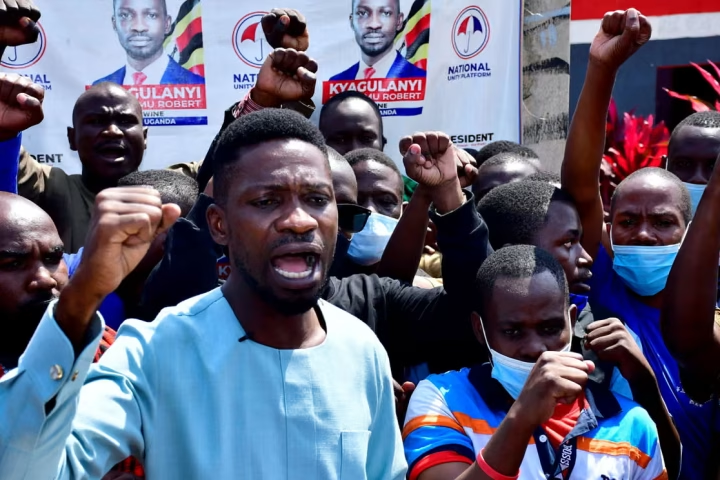
With the election results officially announced on January 18, President Yoweri Museveni, who has held power for over four decades, secured another victory, much to the dismay of opposition parties. Although the election results were contested by opposition leader Bobi Wine, the announcement marked the beginning of the next phase of economic policy and business strategy.
Despite the political turmoil, the economic outlook for Uganda remains positive. The country is projected to experience a robust 10.4% growth in Gross Domestic Product (GDP) for the 2026/27 fiscal year, driven by key developments such as the commencement of commercial oil production and an increase in foreign investment. This projected growth rate represents a substantial leap from the more moderate growth of 6% in previous years, signaling a structural uplift rather than a mere cyclical recovery. If sustained, Uganda’s GDP could almost double over the next decade, potentially raising per capita incomes and attracting more long-term capital.
However, while the growth projections are optimistic, they come with caveats. The increase in GDP is unlikely to be without its challenges. Business leaders must consider the delicate balance of fiscal policy, particularly Uganda’s tax-to-GDP ratio, which will play a significant role in how the economy expands and sustains itself.
Tax Policy: Opportunities and Risks for Businesses
Uganda’s tax-to-GDP ratio, which is crucial for understanding the government’s fiscal health, is forecast to improve in the 2026/27 fiscal year. The government is targeting domestic revenue of UGX 40.09 trillion, up from UGX 37.23 trillion in the previous year. This growth in tax revenues is an encouraging sign, but it also highlights the increasing burden that businesses—especially formal enterprises—will face as they contribute more to the national coffers.
While the tax-to-GDP ratio remains in the mid-teens, which is still below the levels seen in middle-income countries, it represents an upward trajectory for Uganda’s fiscal policies. The Uganda Revenue Authority (URA) is working to improve tax collection by implementing digital compliance systems and data analytics to reduce avoidance and broaden the tax base. For businesses, this means that tax planning and early engagement with the URA will be more important than ever. Companies must focus on optimizing their tax strategies to ensure compliance and avoid potential penalties as the government moves to meet its ambitious revenue targets.
Debt Management and Fiscal Prudence
Another critical issue that businesses must consider in the post-election economy is Uganda’s rising public debt. Projections suggest that the country’s public debt will exceed 50% of GDP, putting Uganda at moderate risk of debt distress, especially if there are external shocks or declines in revenue growth. High debt servicing costs are already absorbing a significant portion of the government’s revenue, with estimates suggesting that interest payments could account for over 30% of domestic revenues by the 2026/27 fiscal year.
This large debt burden has implications for business in Uganda, particularly for the private sector. High debt servicing limits the government’s ability to allocate funds to other crucial sectors such as infrastructure, healthcare, and education. In turn, businesses may face higher costs of capital as public borrowing competes with private sector financing needs, pushing up interest rates.
To mitigate this, the Finance Ministry has outlined a plan to reduce domestic borrowing over the medium term. This strategy is aimed at easing the pressure on private sector credit markets and providing businesses with more favorable financing conditions. However, businesses should be aware that high debt servicing costs could result in slower infrastructure development and reduced government spending on services that indirectly support economic growth.
Managing the Post-Election Fiscal Environment
With a newly formed Cabinet, a fresh set of parliamentary representatives, and a growing list of government commitments, Uganda will face increased administrative costs in the coming months. The additional expenditure on government salaries, allowances, and logistics associated with the new administration will likely limit budget flexibility. While the government has shown efforts to trim unnecessary expenditures and direct more funds toward growth-enhancing sectors, businesses should prepare for a fiscal environment with limited resources.
A prudent strategy for businesses in this period includes optimizing capital efficiency, managing risks effectively, and aligning investments with government priorities. Key sectors such as agro-industrialization, energy, and export-oriented manufacturing are expected to receive greater attention, offering opportunities for businesses to engage with government-led initiatives.
Key Strategies for Businesses to Thrive Post-Election
To succeed in Uganda’s evolving business environment, companies must adopt several key strategies:
- Tax Optimization and Compliance: With the increasing focus on expanding the tax base, businesses should engage with the Uganda Revenue Authority’s digital systems early to align with the government’s revenue goals. Staying ahead of regulatory changes will minimize risks and ensure smooth operations.
- Capital Efficiency and Contingency Planning: Given the constraints posed by Uganda’s public debt and potential interest rate hikes, businesses should optimize their leverage and maintain liquidity buffers. Diversifying sources of capital and hedging against market volatility will help ensure financial stability.
- Sector Alignment: Focusing on sectors that are prioritized by the government—such as agro-industrialization, digital services, and energy—will position businesses to benefit from government incentives and support. These areas offer potential for growth and alignment with national policy objectives.
- Public-Private Dialogue: Actively participating in policy discussions and engaging with government bodies can help businesses influence regulatory and tax outcomes. By shaping the policy landscape, businesses can ensure that their interests are protected and that they contribute to the country’s broader development goals.
Uganda’s post-election business outlook offers both opportunities and challenges. While the country’s GDP growth forecast is promising, businesses must navigate a delicate fiscal balance marked by rising public debt, an expanding tax base, and limited budget flexibility. By strategically aligning with government priorities, focusing on tax compliance, and maintaining financial prudence, businesses can thrive in this evolving economic environment.
The next decade holds great potential for Uganda’s economic growth, but businesses must stay agile and proactive in managing risks, leveraging opportunities, and contributing to the nation’s development. The path ahead is one of cautious optimism, where strategic decisions will determine the future trajectory of Uganda’s business landscape.
ALSO READ:Bobi Wine Evades Military Pursuit as Tensions Rise in Uganda Following Disputed Election