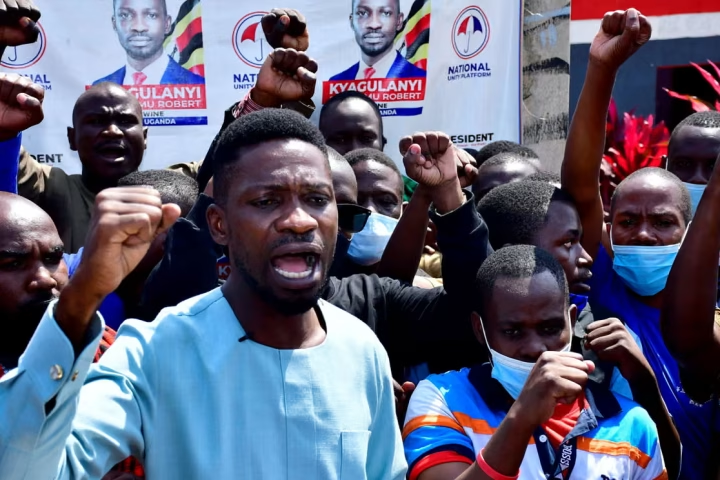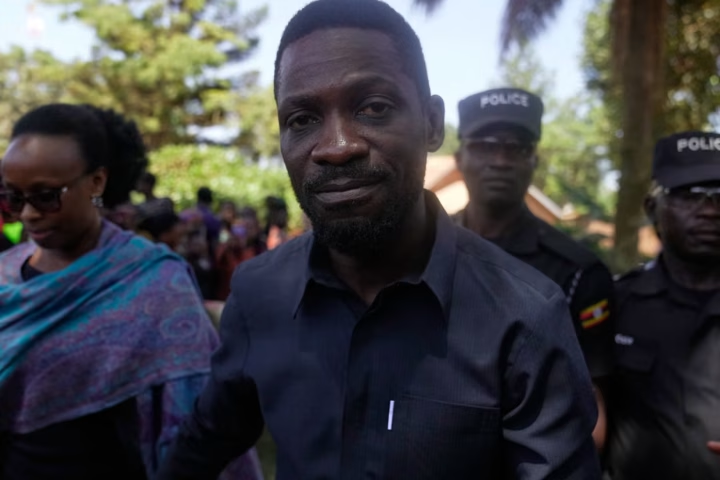
Uganda police on Sunday refuted claims that Bobi Wine, the country’s main opposition presidential candidate, had been arrested following the Thursday election, in which President Yoweri Museveni won his seventh term. Reports emerged from the National Unity Platform (NUP), Wine’s political party, alleging that heavy security forces, including a helicopter, had been deployed near Wine’s residence, fueling speculation about his arrest. However, police quickly denied any such incident, stating that no detention had taken place.
The NUP later updated their statements, claiming that Wine had moved for security reasons, but continued to assert that the government’s actions were suspicious. The opposition’s accusations came amidst an atmosphere of tension, with several reports of increased security forces, arrests of party supporters, and restrictions on internet access during the election.
Opposition Rejects Election Results, Cites Irregularities
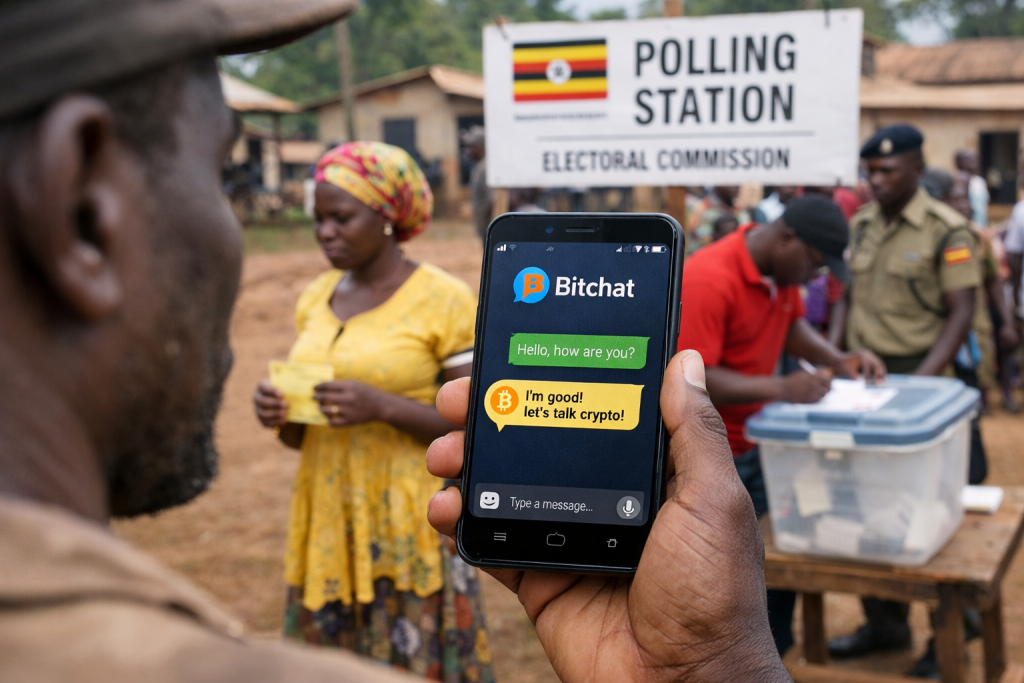
The NUP strongly rejected the outcome of the election, alleging multiple irregularities throughout the voting process. Opposition figures pointed to the heavy deployment of security forces, the arrest of party members, delays in the voting process, and the failure of biometric machines as evidence of foul play. They also raised concerns about the sudden switch from electronic to manual data collection, which they argue compromised the integrity of the election.
Authorities, however, have denied all allegations and maintained that the election was conducted lawfully, asserting that the vote was fair and legitimate.
International and Regional Reactions to the Election
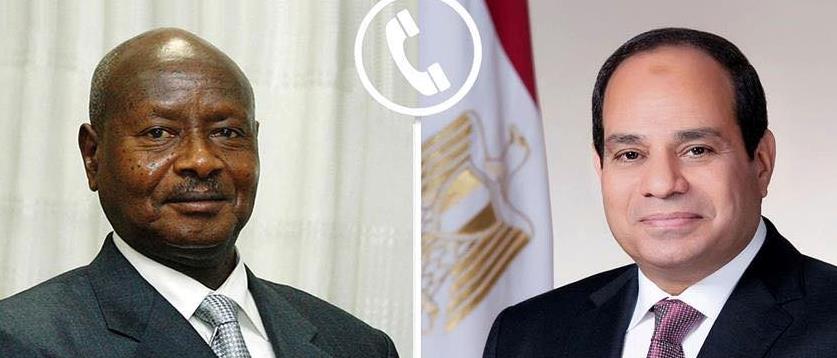
The election’s aftermath has sparked responses from various international and regional bodies. The European Parliament has debated the possibility of imposing sanctions on Uganda under its human rights framework, citing reported abuses during the election process. The UN Human Rights Office also condemned the internet blackouts and the lack of transparency in the electoral process, further criticizing the government’s actions as undermining democratic values.
As the political situation in Uganda continues to evolve, global attention remains focused on the country’s handling of election-related tensions and the broader implications for human rights and democratic governance.