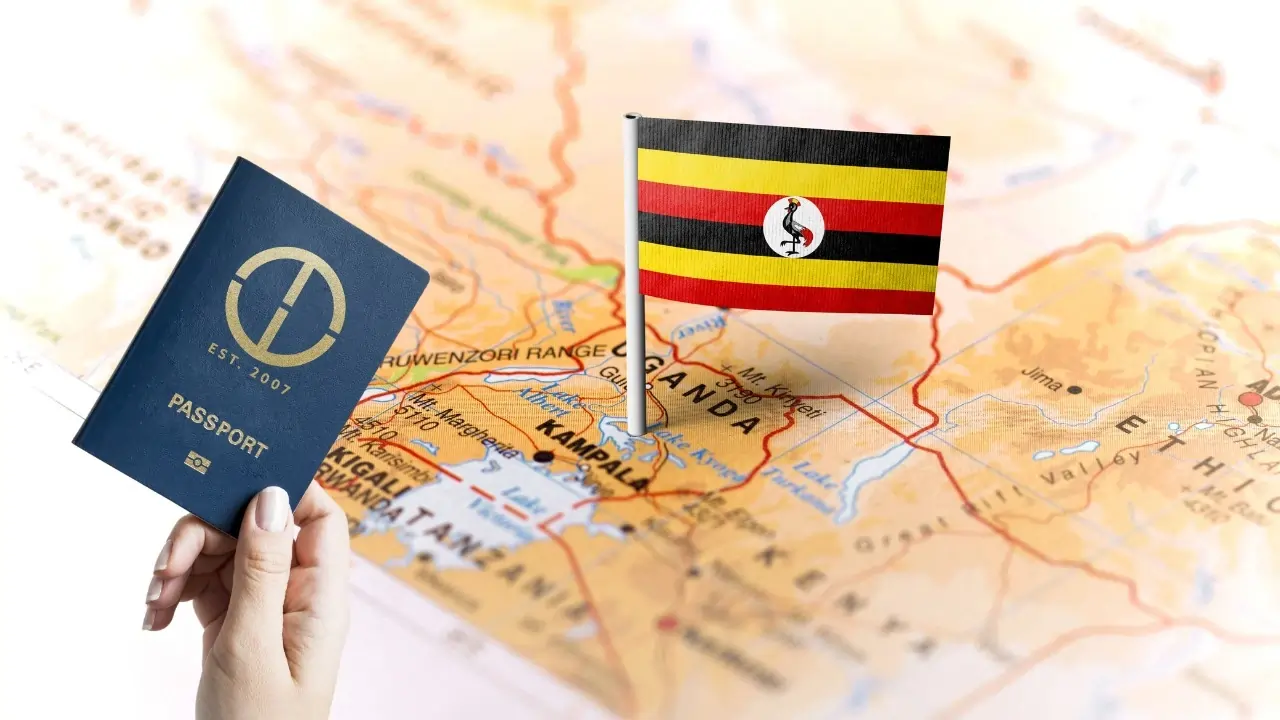
Uganda and the United Arab Emirates have officially implemented a new visa exemption arrangement that allows holders of diplomatic and service passports to travel between the two nations without obtaining prior visas. The agreement, which took effect in early February 2026, is designed to simplify official travel and reinforce ties between Kampala and Abu Dhabi.
The policy applies exclusively to individuals carrying diplomatic or service passports. Under the new framework, eligible officials from the UAE may enter Uganda for up to 90 days without applying for a visa in advance. Ugandan diplomats and government officials with service passports are granted the same privilege when traveling to the UAE.
Strengthening Government-to-Government Cooperation
Officials from both countries have characterized the waiver as a practical step toward deepening bilateral relations. By reducing administrative requirements for official delegations, the two governments aim to encourage more frequent engagement across political, economic, and strategic sectors.
Visa facilitation agreements are commonly used to strengthen diplomatic partnerships. They reduce procedural delays, allowing officials to coordinate more efficiently on matters such as trade discussions, security cooperation, regional diplomacy, and investment initiatives.
Uganda and the UAE have expanded cooperation in recent years, particularly in areas related to trade, energy, aviation, and infrastructure. The new exemption aligns with these broader efforts by enabling smoother mobility for senior government representatives and technical delegations.
Scope and Limitations of the Agreement
The exemption is limited strictly to diplomatic and service passport holders. Ordinary passport holders from either country remain subject to existing visa requirements and must follow standard entry procedures.
Diplomatic passports are typically issued to ambassadors, senior government officials, and representatives engaged in official international assignments. Service passports are generally provided to government employees traveling on official duty.
By focusing the waiver on official categories, the agreement maintains immigration controls for general travel while prioritizing streamlined access for state-level engagements.
Part of a Broader Diplomatic Trend
The Uganda-UAE arrangement reflects a wider international trend toward easing travel restrictions for government officials. Many countries are introducing reciprocal visa waivers as part of efforts to strengthen diplomatic collaboration and enhance government-to-government efficiency.
In Africa and the Middle East, such agreements are increasingly viewed as tools for advancing strategic partnerships. They signal trust, reciprocity, and a shared commitment to sustained engagement.
For Uganda, strengthening ties with Gulf nations has become a notable element of its foreign policy strategy. The UAE has emerged as an important trade and investment partner for several African countries, including Uganda.
Facilitating Economic and Political Dialogue
The simplified travel arrangement is expected to support more frequent bilateral meetings and high-level consultations. It may also contribute to accelerating joint projects, memoranda of understanding, and regional initiatives involving both nations.
Officials have indicated that the visa exemption is part of a broader framework aimed at enhancing cooperation across multiple sectors. While the agreement does not directly affect trade policy or commercial travel, it is likely to facilitate negotiations and coordination between policymakers.
The move underscores both governments’ intention to maintain active diplomatic channels and strengthen their long-term partnership.