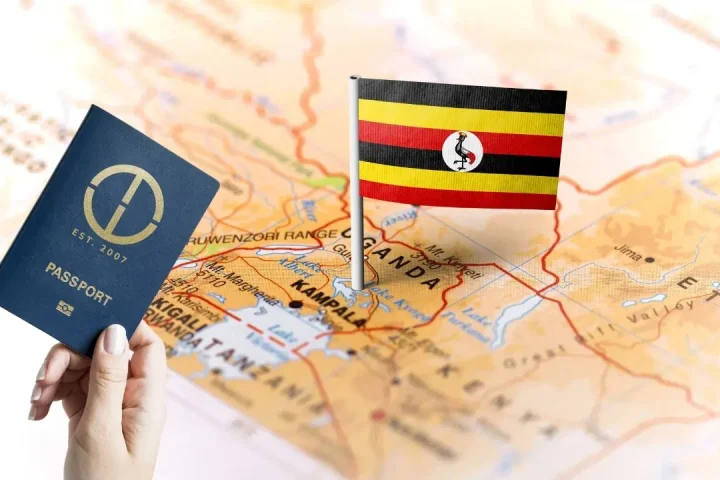
As Uganda approaches its highly anticipated 2026 presidential election, the issue of internet access has once again become a focal point of national concern. Uganda’s authorities have strongly denied reports suggesting that they plan to block internet access during the upcoming election on January 15, 2026. These rumors have sparked widespread fears, particularly among the opposition and civil society groups, who worry that an internet shutdown could be used to suppress voter mobilization, prevent the sharing of election results, and curtail freedom of expression during the critical election period.
The denials from government officials come after opposition leader Bobi Wine, the former pop star turned politician, repeated his claims that the government would deliberately cut off internet connectivity to prevent his supporters from organizing and verifying the results of the election. These concerns have been further fueled by the recent actions of Starlink, a satellite internet provider, which restricted its services in Uganda after an order from the Ugandan Communications Commission (UCC). This move raised alarms about the possibility of an internet blackout, as similar actions were taken during the 2021 elections.
The Context of Internet Shutdowns in Uganda’s Elections
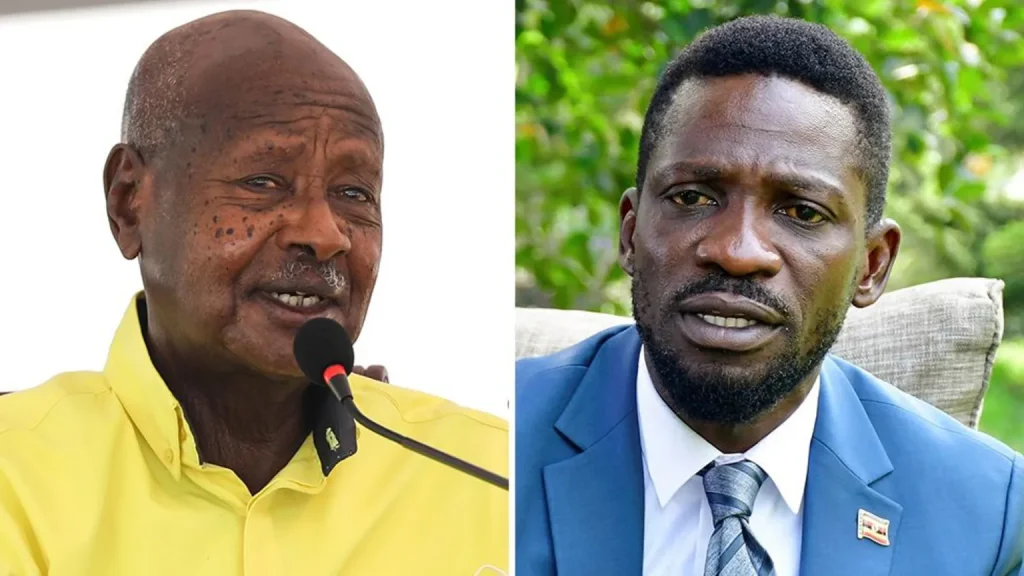
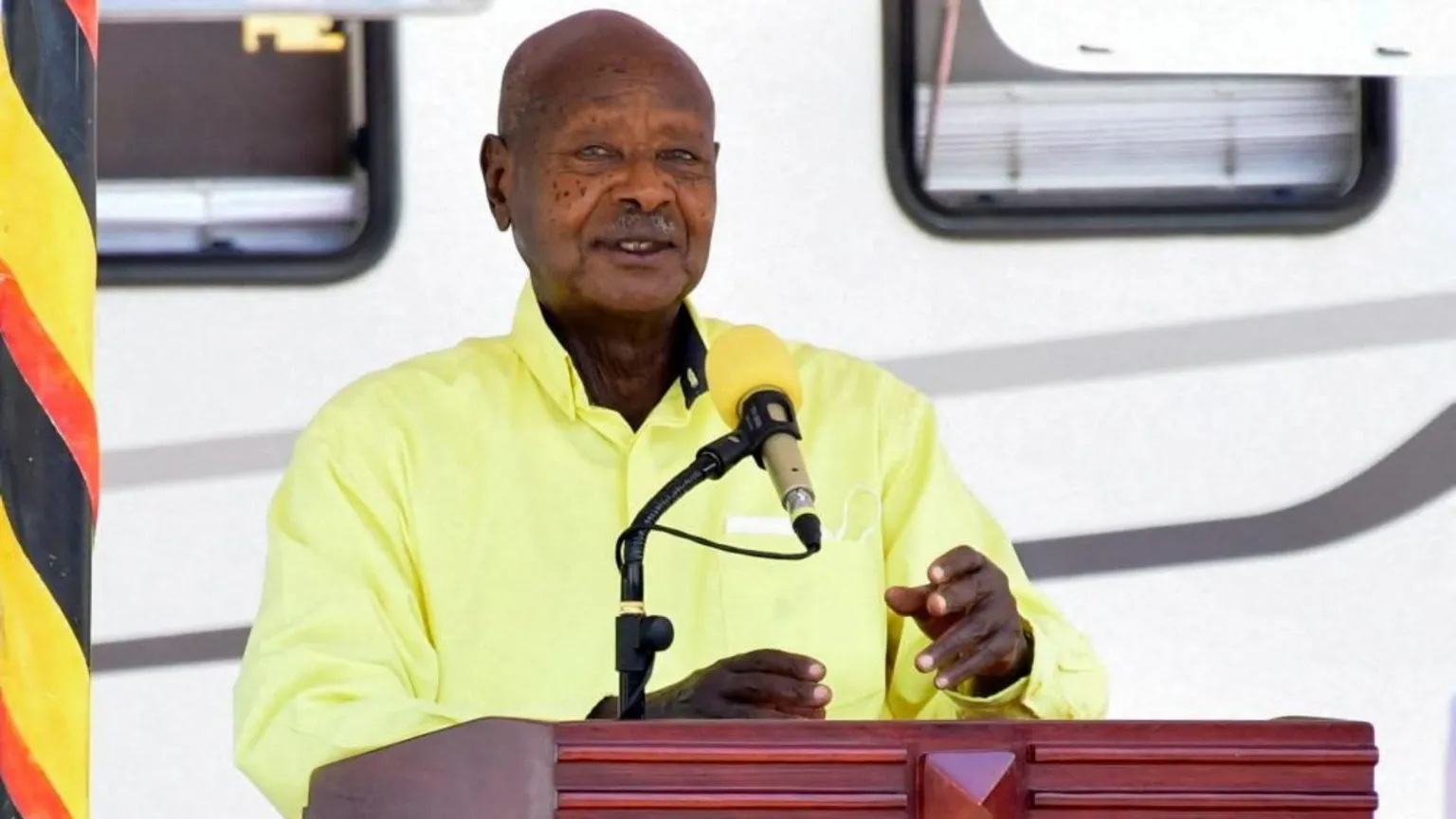
The 2021 presidential election in Uganda, in which President Yoweri Museveni faced opposition from Bobi Wine, was marred by widespread protests, violence, and government crackdowns. During that election, the Ugandan government shut down the internet for several days, hindering citizens’ ability to communicate, organize, and verify election results. This action was widely criticized both within Uganda and internationally as an attempt to stifle dissent and manipulate the outcome of the election.
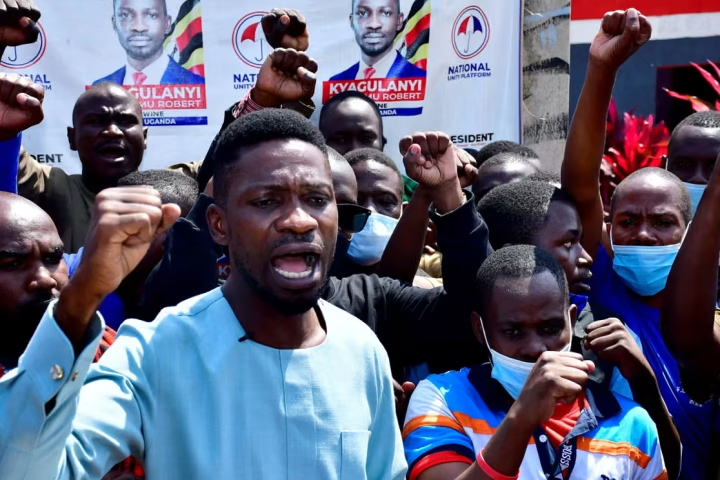
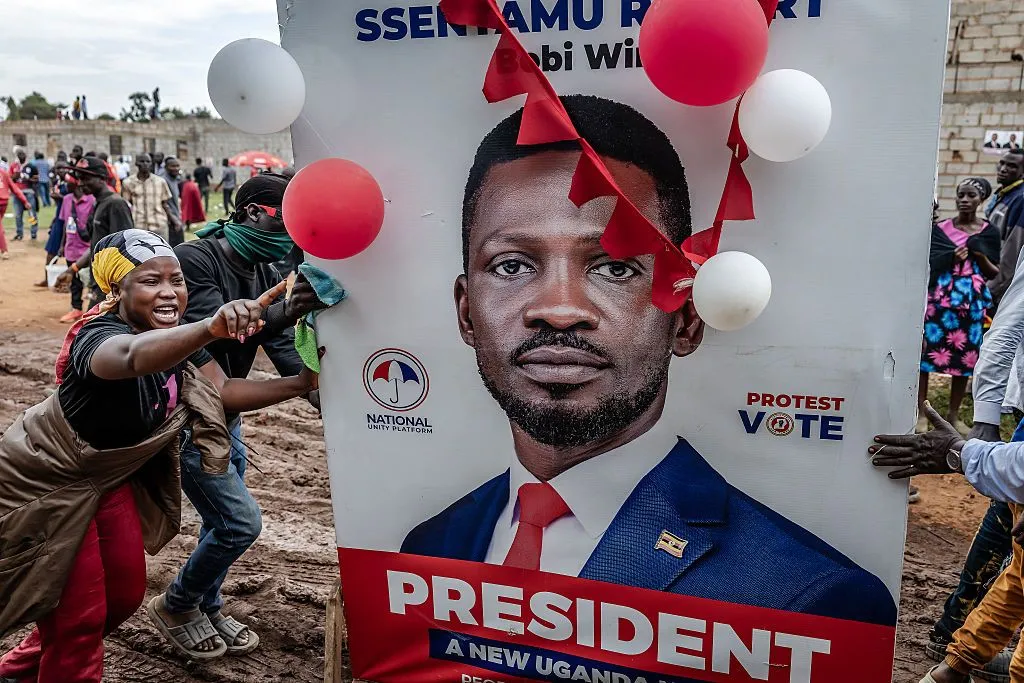
In response to these concerns, Bobi Wine—leader of the National Unity Platform (NUP)—has expressed his distrust of the current government’s commitment to a fair and transparent election process. Bobi Wine’s comments have fueled fears that the Museveni regime, which has been in power since 1986, may resort to similar tactics to control the flow of information and suppress opposition efforts to ensure a free and fair election.
Government Denial and Efforts to Assure Voters
In response to these claims, Ugandan government officials, including the Executive Director of the UCC, Nyombi Thembo, have dismissed reports of a planned internet shutdown as “mere rumors”. Thembo reaffirmed the UCC’s position, stating that its primary responsibility is to guarantee uninterrupted internet connectivity during the election period and beyond. “As of now, there is no resolution to switch off the internet,” he said, emphasizing that the UCC’s goal was to maintain a smooth electoral process by ensuring connectivity across the country.
Additionally, Amina Zawedde, the senior official at Uganda’s Ministry of Communications and National Guidance, also rejected the rumors, labeling them as false, misleading, and intended to create fear among the public. She emphasized that only the Electoral Commission had the authority to declare election results and that any broadcasting of unverified or premature results was illegal under the Computer Misuse Act. Zawedde also warned that digital platforms were not exempt from the law, stressing that freedom of expression should be exercised responsibly within the legal framework.
Bobi Wine’s Response: The Launch of an Offline Voting App
Despite the government’s denials, Bobi Wine has remained cautious and skeptical of the authorities’ assurances. To circumvent the potential internet shutdown, he launched a vote-monitoring app called Bitchart, designed to allow voters to report and share election results without relying on internet connectivity. The app utilizes Bluetooth technology to transmit images of results forms from polling stations, enabling voters and election observers to monitor the situation without the need for a working internet connection.
Bobi Wine’s move to launch Bitchart reflects his deep mistrust of the government’s handling of the election process. In his New Year’s address, he expressed concern that the regime might be planning an internet shutdown as a way to suppress communication, prevent the verification of vote counts, and limit public discourse during the election period. “As we all know, the regime is plotting an internet shutdown, as they have done in past elections, to block communication and prevent citizens from organizing, verifying results, and demanding accountability,” he said.
Security Concerns and Political Repression
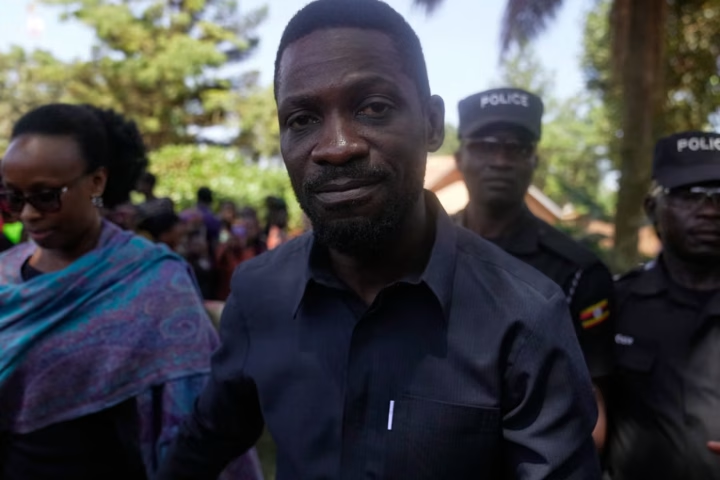
The internet shutdown concerns are not the only issues affecting the upcoming election. Amnesty International has raised alarm about the growing political repression in Uganda, accusing Ugandan security forces of torture, arbitrary arrests, and harassment of opposition supporters. Reports of beatings, tear gas attacks, and detention of activists have further escalated concerns about the fairness of the election.
In particular, Bobi Wine’s supporters have faced violent crackdowns during campaign rallies, with police and military personnel frequently disrupting opposition activities. The government, on the other hand, maintains that these actions are necessary to ensure law and order and prevent the incitement of violence during the election period. However, critics argue that these measures are a deliberate attempt to silence opposition voices and undermine democratic processes.
The Role of International Observers and the Call for Fair Elections
As the election day approaches, international observers have expressed concern over the potential for election fraud and the government’s tactics to maintain control. Bobi Wine has urged voters to stay at polling stations after casting their ballots to ensure the integrity of the vote count. He has also called for greater international attention to the situation in Uganda, asking global watchdogs to monitor the process and hold the government accountable for any attempts at vote manipulation.
The Electoral Commission has assured voters that the election will be transparent, with party agents, the media, and election monitors present to oversee the vote counting process. However, many Ugandans remain skeptical of the commission’s independence, given the government’s long history of interfering with the electoral process.
A High-Stakes Election for Uganda’s Future
As Uganda’s 2026 election approaches, the stakes have never been higher. Bobi Wine’s challenge to President Museveni represents a moment of reckoning for the country’s democratic future. The concerns about an internet shutdown and the ongoing political repression have cast a shadow over the election process, but they have also mobilized opposition supporters to ensure their voices are heard.
For Bobi Wine, this election is not just about winning; it is about fighting for democracy, human rights, and accountability in the face of a regime that has ruled Uganda for over four decades. Whether or not the government follows through on its promises to allow free and fair elections will be a key factor in determining the future of Uganda—and whether Bobi Wine’s vision for a more democratic Uganda can become a reality.