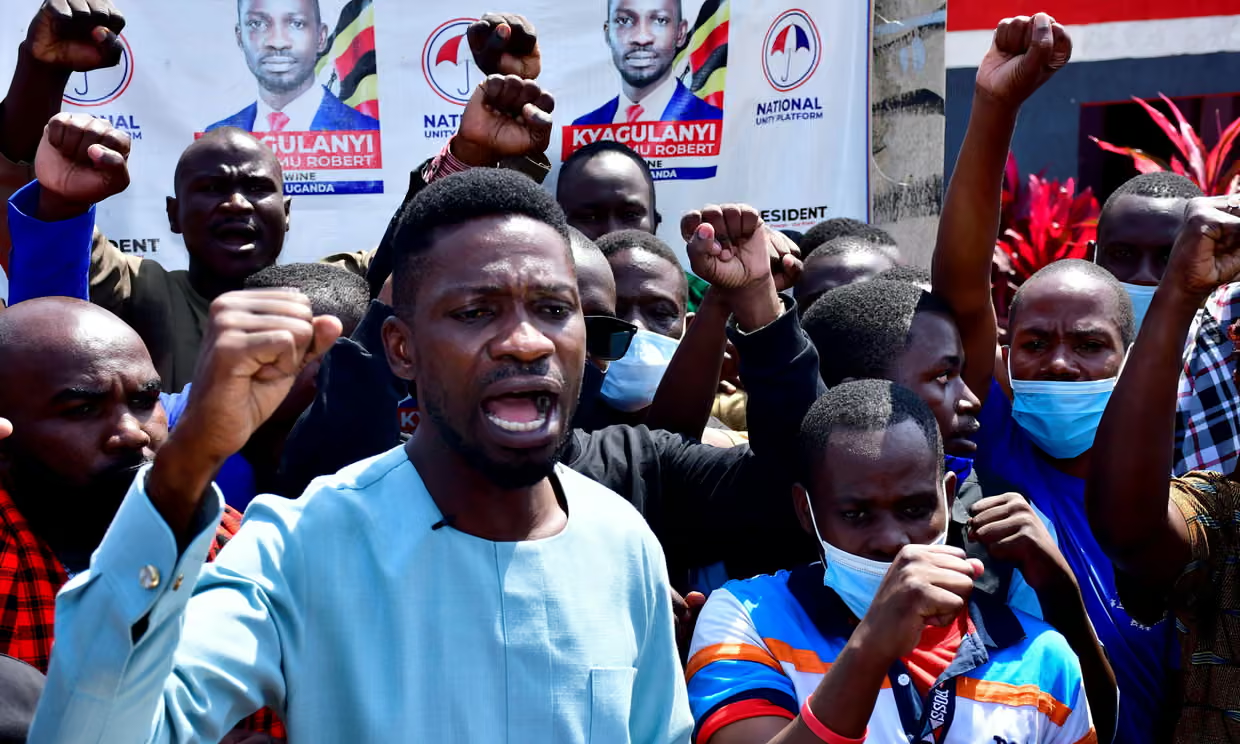
In a chilling reflection of Uganda’s escalating political repression, children have been held in detention for months, subjected to abuse and denied basic legal rights. These young detainees, arrested in the aftermath of a series of government crackdowns targeting opposition activists, have described harrowing conditions in the country’s prisons, where systematic physical abuse is commonplace. The reports of their mistreatment shine a spotlight on the worsening human rights situation in Uganda, particularly as President Yoweri Museveni faces growing opposition to his decades-long rule.
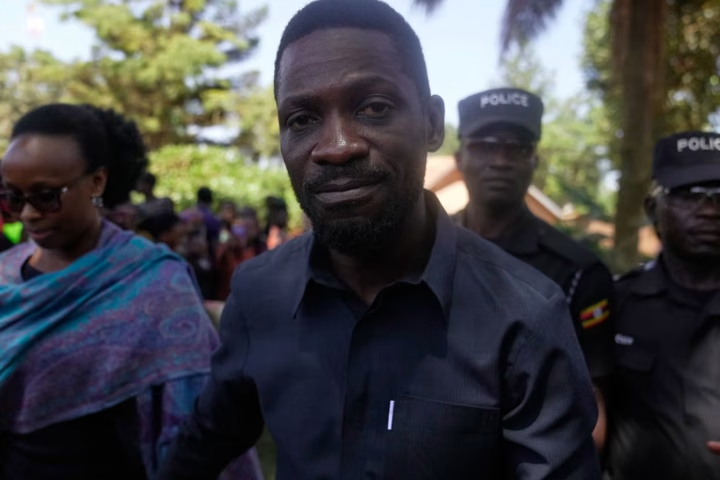
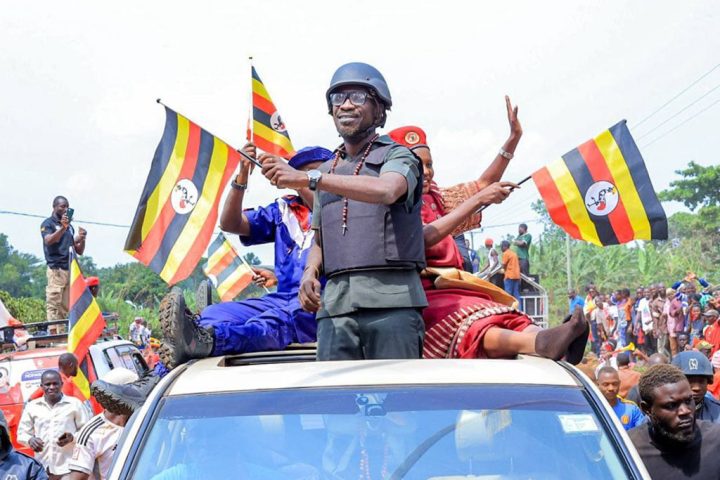
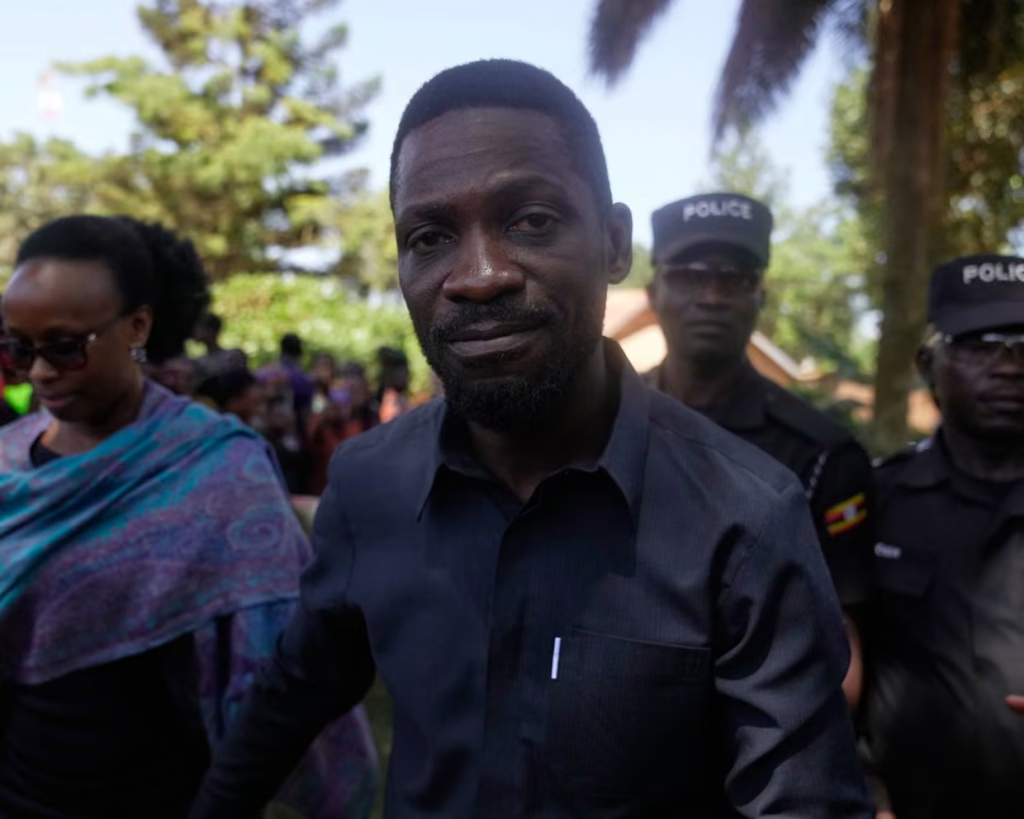
The arrests and subsequent abuse of children, which has been ongoing since early 2021, are part of a broader pattern of political suppression aimed at stifling dissent and maintaining control. The crackdown has affected not only adults but also minors, many of whom have been arrested during political rallies or simply for their association with opposition parties, particularly the National Unity Platform (NUP) led by opposition leader Bobi Wine.
A Harrowing Experience for Ugandan Youth
Among the most harrowing accounts is that of 15-year-old Happy Mugisha, the adopted son of Bobi Wine’s elder brother, who was arrested during a raid on his home in March 2021. Mugisha, then 15, was dragged away by masked armed men in the middle of the night. As he was blindfolded, beaten, and tortured, Mugisha endured physical abuse that left him terrified for his life. “I was crying. I was slapped on my face, kicked in the chest, and beaten for refusing to give my name,” he recounted.
For over 10 days, Mugisha was detained in an overcrowded cell in Mbuya, a military facility in Uganda’s capital, Kampala. “They poured water on me, beat me severely, and made me remove my clothes,” he said, describing the torture he endured during his imprisonment. Mugisha’s story is just one among many in Uganda’s wave of repression, where children are caught up in a system that deprives them of their rights and punishes them for their families’ political affiliations.
Widespread Abuse and Inhumane Detention Conditions
The children detained during this period were often thrown into cramped cells with dozens of adults, lacking adequate space to even lie down. Elijah Walakira, another 15-year-old who was arrested for selling merchandise in support of Bobi Wine, described being held in a police station with over 80 adult prisoners. “There was no space to stand or sleep. We slept in shifts,” Walakira recalled. After four days, Walakira was released, thanks to intervention from his uncle, Bobi Wine, who personally went to the police station to secure his nephew’s freedom.
However, for many other minors, their detention lasted much longer. Some children were subjected to days or even weeks of solitary confinement. The conditions were so brutal that many detainees experienced long-lasting psychological trauma. Kenny Kyalimpa, a 17-year-old student and active member of Bobi Wine’s campaign team, spent six months in detention after his arrest in December 2020. Kyalimpa, who was tortured with rubber batons and subjected to extreme physical pain, remembers the chilling threats made by his captors. “They told me to say my last prayer because they were going to kill me,” Kyalimpa said, recalling the harrowing experience of being tortured in an attempt to coerce him into renouncing his political beliefs.
His accounts of his time in solitary confinement, being bound in handcuffs and forced to endure painful physical violations, paint a grim picture of the brutality faced by political prisoners in Uganda. “They squeezed my testicles and penis. I pleaded with them, but they didn’t care,” he said, recounting the abuse he suffered at the hands of Ugandan security forces. “My crime was supporting the opposition,” he added, underscoring the political nature of his mistreatment.
The Government’s Response and International Outcry
While Ugandan authorities have denied responsibility for the abuse, claiming that the military is disciplined and does not engage in unlawful practices, the testimonies from the victims tell a different story. The government, led by Museveni for over 35 years, has been accused of using force to silence opposition and suppress dissent. In a national address, Museveni sought to deflect criticism of his government’s actions, claiming that evidence obtained through torture is unreliable and vowing that such methods would not be used in the future. However, many see these statements as an attempt to cover up the ongoing abuses, with little genuine effort to hold perpetrators accountable.
Despite the government’s denials, the accounts of victims like Mugisha, Walakira, and Kyalimpa highlight the widespread nature of the abuse and the severity of the human rights violations occurring in Uganda’s prisons. Human rights groups have expressed alarm over the ongoing political repression, especially the targeting of minors who are caught in the crossfire of the country’s political conflict. In a statement, human rights lawyer Robert Amsterdam, who represents Bobi Wine, urged the international community to take immediate action, calling the threats against Wine’s safety and the ongoing abuses against his supporters a “credible risk of death or grievous bodily harm.”
The US and UK governments, which have provided substantial aid to Uganda in the form of development and security assistance, have expressed growing concerns about the state of human rights in the country. These concerns are compounded by Uganda’s increasing crackdown on free speech, with opposition leaders facing violent repression and activists being targeted by security forces. The worsening political climate in Uganda has prompted international calls for greater accountability and for a reevaluation of foreign aid policies in light of these violations.
The Broader Context of Museveni’s Regime
Yoweri Museveni’s continued rule has been marked by increasing repression, especially as opposition figures like Bobi Wine gain popularity. In the 2021 elections, which were marred by allegations of fraud and voter suppression, Museveni claimed victory despite widespread protests and calls for a free and fair vote. Since the elections, the government has ramped up its efforts to stifle opposition, with opposition leaders, their families, and supporters subjected to threats, abductions, and imprisonment.
As Uganda moves forward under Museveni’s rule, the question remains whether the country’s political landscape can ever evolve to allow for true democratic reform. With the abuse of children and the targeting of opposition leaders becoming more common, the government’s response to these human rights concerns will be crucial in shaping the future of the nation. Until meaningful reforms are enacted, Uganda’s political repression will likely continue, keeping its citizens, especially the youth, in a state of fear and uncertainty.