Uganda, located in East Africa, has made remarkable progress in terms of economic development over the past few decades. Despite challenges such as political instability, infrastructure deficits, and a reliance on subsistence farming, Uganda has steadily improved its gross domestic product (GDP) and diversified its economy. This growth is fueled by key sectors such as agriculture, services, industry, and foreign direct investment (FDI).
In this article, we will explore Uganda’s GDP growth trends, the biggest sectors driving economic expansion, and the key boosters that are helping propel the country into an era of stronger and more sustainable growth.
Uganda’s Economic Overview
Uganda’s economy is classified as a low-income developing economy. The country has a population of over 46 million people (as of 2025), with a youthful demographic and a largely agrarian society. However, Uganda has increasingly diversified its economic base in recent years, with substantial contributions from manufacturing, services, and resource extraction, including oil.
Uganda’s GDP has grown steadily in recent years, with an average growth rate of around 5-6% per year in the last decade. The country’s GDP is expected to continue its upward trajectory, driven by favorable global commodity prices, strategic infrastructure development, and ongoing reforms.
According to the World Bank, Uganda’s GDP in 2025 is estimated at approximately $45 billion. While the per capita GDP remains relatively low (around $1,000), the country’s economic trajectory suggests a continued rise in living standards, especially if key sectors can maintain strong growth.
Key Sectors Driving Uganda’s GDP Growth
Several sectors play a crucial role in driving Uganda’s GDP growth. The following sectors are among the largest contributors to Uganda’s economic performance:
1. Agriculture: The Backbone of Uganda’s Economy
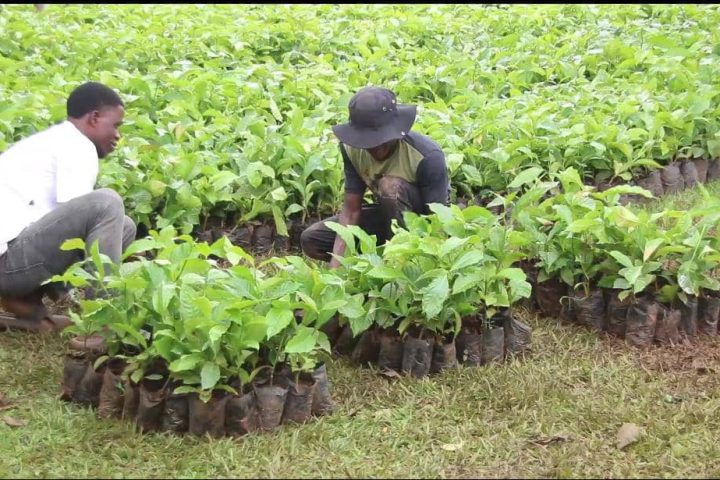
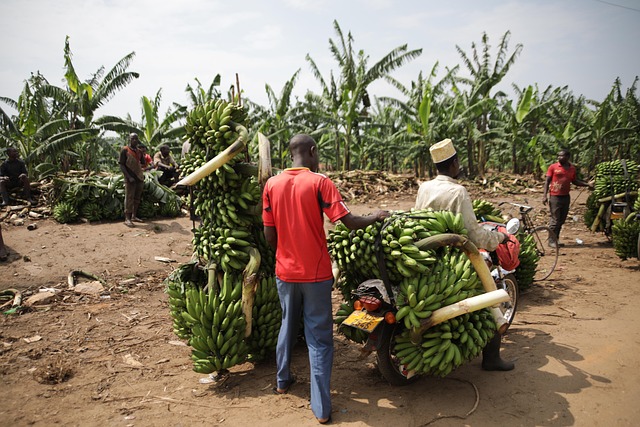
Agriculture remains Uganda’s largest sector, contributing about 23-25% to the country’s GDP. The majority of Uganda’s workforce is employed in agriculture, and the sector is vital for the livelihoods of millions of Ugandans. Uganda’s fertile soils and favorable climate conditions make it an ideal location for growing a wide variety of crops, including coffee, tea, maize, bananas, sugarcane, and tobacco.
Coffee is Uganda’s most significant agricultural export, accounting for nearly 20% of the country’s total export earnings. The country is one of the largest coffee producers in Africa and a key player in the global coffee market. Additionally, Uganda’s tea production is another important export, contributing to the growth of the agricultural sector.
The government of Uganda has placed a strong emphasis on modernizing agriculture to boost productivity, with an emphasis on improving irrigation, access to inputs (fertilizers, seeds), and expanding export markets. Agricultural reforms, including land reforms and investments in agro-processing, are expected to further drive growth in the sector.
2. Services Sector: A Key Contributor to GDP
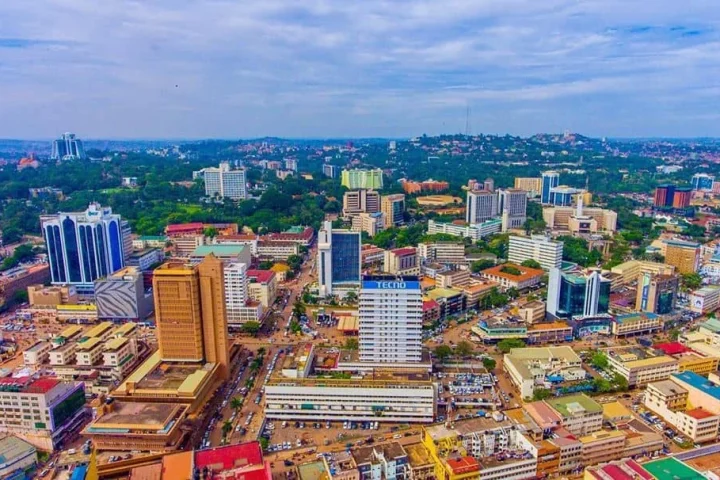
The services sector has seen significant growth in Uganda, now contributing over 50% of the country’s GDP. This growth has been driven by a booming telecommunications industry, the expansion of banking and financial services, tourism, and retail.
Telecommunications has been one of the standout performers in the services sector, with the country experiencing rapid growth in mobile and internet penetration. Companies like MTN Uganda and Airtel Uganda dominate the market, and mobile money services, such as M-Pesa, have improved access to financial services for millions of Ugandans.
Banking and financial services have also seen growth, with more Ugandans opening bank accounts, accessing loans, and utilizing insurance products. Microfinance institutions and mobile banking services have been crucial in providing financial inclusion to previously underserved populations.
Tourism is another key component of Uganda’s services sector, as the country is home to some of Africa’s most sought-after natural attractions, such as Bwindi Impenetrable Forest, famous for its mountain gorillas, and Queen Elizabeth National Park. The Ugandan government has made efforts to promote tourism, seeing it as a potential driver of foreign exchange earnings and job creation.
3. Industry and Manufacturing: Diversification and Modernization
The industrial and manufacturing sectors in Uganda are rapidly evolving, contributing about 20% of the country’s GDP. This sector includes the processing of agricultural products, cement manufacturing, and increasingly, oil production.
The government’s efforts to boost the manufacturing sector include a focus on agro-processing, which adds value to agricultural products before they are exported. The cement industry has seen significant expansion, with companies such as Hima Cement and Lafarge Uganda contributing to both domestic demand and regional exports.
The biggest recent development in Uganda’s industrial sector is the discovery of oil in the Albertine Basin in western Uganda. While oil production has not yet fully commenced, oil reserves are estimated at over 6.5 billion barrels, and the oil sector is expected to become a significant driver of Uganda’s GDP growth in the coming years.
Key Boosters of Uganda’s Economic Growth
In addition to key sectors, several factors and initiatives are helping to boost Uganda’s GDP and enhance its economic prospects.
1. Infrastructure Development
Infrastructure development is critical to Uganda’s growth prospects. Over the past decade, Uganda has made substantial investments in roads, energy, and airports, which have improved connectivity and reduced transportation costs.
The government’s Roads and Transport Investment Plan focuses on expanding and upgrading the national road network, particularly linking rural areas to urban centers. Major road projects, such as the Entebbe-Kampala Expressway and the Northern Bypass, have reduced congestion in major cities and improved access to markets for rural farmers.
Uganda has also invested heavily in energy infrastructure. The expansion of electricity generation capacity, including the construction of hydroelectric power plants like Karuma and Isimba, is expected to address the country’s energy shortfall and provide a more reliable power supply for both industrial use and households.
In addition, improvements to airports and ports will facilitate trade and bolster Uganda’s competitiveness in the regional market.
2. Foreign Direct Investment (FDI)
Foreign direct investment has been a critical factor in boosting Uganda’s GDP. The Ugandan government has implemented various policies to attract foreign investors, including offering tax incentives, simplifying business registration processes, and encouraging the establishment of special economic zones (SEZs).
The oil and gas industry has attracted significant investment from foreign companies, including China National Offshore Oil Corporation (CNOOC) and TotalEnergies. Additionally, the telecommunications sector, agriculture, and manufacturing are also drawing foreign investment due to the country’s youthful population, relatively low labor costs, and strategic location in East Africa.
3. The Role of the Private Sector
The private sector is a critical engine of growth in Uganda, especially in areas like agro-processing, telecommunications, and services. The Uganda Investment Authority (UIA) has worked closely with private companies to create an enabling environment for business growth, and the government has made strides in improving the ease of doing business in Uganda.
Uganda’s entrepreneurial spirit is evident in the growing number of small and medium-sized enterprises (SMEs) that contribute significantly to employment and innovation. In particular, the agriculture and agro-processing sectors have seen strong growth, with more Ugandans venturing into food processing and export-oriented businesses.
4. Regional Trade and Integration
Uganda’s location in the heart of East Africa makes it a key player in the region’s economic integration. The East African Community (EAC), which includes Uganda, Kenya, Tanzania, Rwanda, Burundi, and South Sudan, is a critical platform for regional trade. Uganda benefits from reduced trade barriers within the EAC, access to regional markets, and preferential trade agreements with countries such as India and China.
Uganda also benefits from trade agreements with the African Continental Free Trade Area (AfCFTA), which aims to create a single continental market for goods and services. As regional and continental integration deepens, Uganda stands to benefit from increased access to new markets, investment, and economic growth.
Challenges to Sustaining GDP Growth
While Uganda’s GDP has seen steady growth, there are several challenges that could hinder the country’s ability to maintain its current trajectory. These challenges include:
- Political Instability: While Uganda has enjoyed relative peace in recent years, political tensions, particularly around elections, can lead to unrest and instability that disrupt economic activity.
- Corruption: Corruption within government institutions remains a significant challenge, undermining public confidence, reducing efficiency in public services, and misallocating resources.
- Dependence on Agriculture: Although agriculture remains Uganda’s largest sector, it is highly vulnerable to external factors like climate change and fluctuating commodity prices. The government must continue efforts to diversify the economy further and reduce dependence on agriculture.
- Infrastructure Gaps: Despite significant progress, infrastructure gaps remain in areas like transportation, electricity, and healthcare, which could impede long-term growth if not addressed.
A Bright Future for Uganda’s Economy
Uganda’s GDP has experienced steady growth, and the country is on track to become one of Africa’s most dynamic economies. With agriculture, services, industry, and foreign investment continuing to play key roles, Uganda has a strong foundation for future growth. However, to maintain and accelerate this growth, Uganda must address its challenges, including political stability, corruption, and infrastructure gaps.
The government’s focus on infrastructure development, regional integration, and support for the private sector will be crucial in ensuring that Uganda can sustain its economic momentum. With strategic investment, continued reforms, and a focus on diversifying the economy, Uganda’s GDP growth outlook remains strong, positioning the country for a prosperous future in the East African region and beyond.