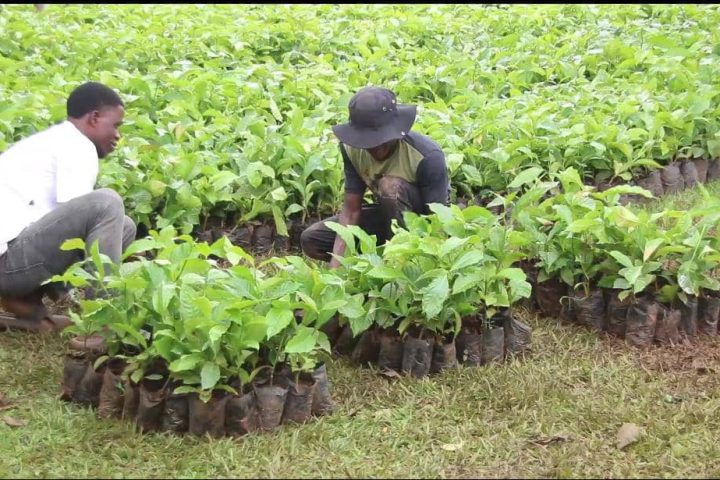
Uganda’s agricultural sector plays a crucial role in the country’s economy, contributing about 23% to the GDP and employing over 70% of the population. Agriculture remains the backbone of Uganda’s economy, influencing almost every aspect of the nation, from food security and livelihoods to export revenue. The sector is diverse, with crops like coffee, tea, maize, bananas, and sugarcane being key staples. The fertile soils, favorable climate, and vast arable land make Uganda one of Africa’s most important agricultural players.
However, despite its importance, Uganda’s agricultural sector faces challenges such as limited access to finance, infrastructure gaps, climate change, and outdated farming practices. Over the years, efforts have been made to address these issues and enhance agricultural productivity. In this article, we will explore Uganda’s agricultural sector, the biggest boosters of growth in this sector, and the steps being taken to modernize and grow agriculture for the future.
Overview of Uganda’s Agricultural Sector
Uganda’s agricultural sector is highly productive and diverse. The country is known for its abundance of natural resources—fertile soils, water resources, and a climate conducive to the production of a wide variety of crops and livestock. The sector includes both subsistence farming, which is practiced by the majority of Ugandans, and commercial farming, which focuses on the production of export crops such as coffee, tea, and flowers.
Some of the major agricultural products include:
- Coffee: Uganda is Africa’s largest producer of Robusta coffee and the second-largest producer of coffee overall, after Ethiopia. Coffee is Uganda’s largest export commodity, generating billions of dollars in revenue each year.
- Maize: Maize is a staple food crop and one of Uganda’s most significant agricultural products. The country produces enough maize for local consumption and exports to regional markets.
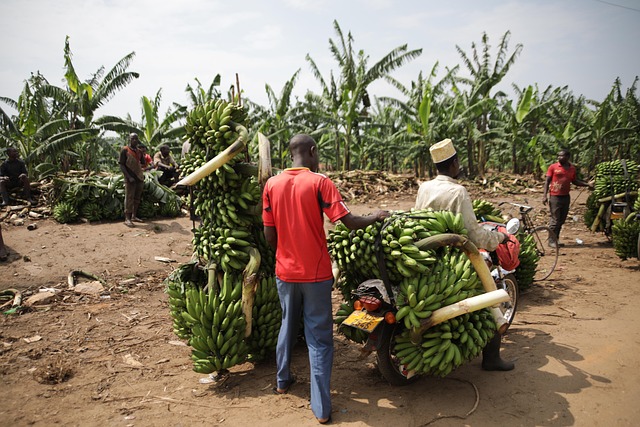
- Bananas: Uganda is one of the world’s largest producers of bananas, with varieties like Matoke (cooking bananas) and plantains being widely grown.
- Tea: Uganda’s tea industry has grown rapidly over the past few decades. The country is now one of the leading tea exporters in Africa, with both smallholder farmers and large-scale estates contributing to the sector.
- Sugarcane and Rice: Both sugarcane and rice have gained importance in Uganda’s agricultural landscape, with the government supporting their growth for food security and industrial processing.
The Biggest Boosters of Uganda’s Agricultural Growth
Several factors and initiatives have contributed to the growth of Uganda’s agricultural sector. These boosters include government policies, regional and international trade agreements, modern agricultural technologies, and the increasing role of private sector investment in farming. Let’s explore the key drivers of agricultural growth in Uganda.
1. Government Support and Agricultural Policies
The government of Uganda has recognized the importance of agriculture in the national economy and has implemented various programs aimed at boosting agricultural productivity. These include:
- The National Agricultural Policy (NAP): This policy aims to create a sustainable and profitable agricultural sector by improving productivity, expanding agricultural exports, and ensuring food security for Ugandans. The NAP focuses on empowering farmers, improving access to technology, and enhancing agricultural infrastructure.
- The Agricultural Credit Facility (ACF): One of the key programs introduced by the government to boost the agricultural sector is the Agricultural Credit Facility. The ACF provides affordable loans to farmers, cooperatives, and agribusinesses to improve production and expand agricultural enterprises.
- The Plan for Modernization of Agriculture (PMA): This program aims to transform subsistence farming into more commercial and market-oriented agriculture by improving access to inputs, technology, and markets. The PMA has facilitated the growth of modern farming techniques in Uganda, particularly in irrigation, mechanization, and agribusiness development.
- Supporting Agricultural Infrastructure: The government has made investments in rural roads, irrigation systems, and storage facilities to reduce post-harvest losses and ensure better market access for farmers.
2. Technological Advancements in Agriculture
The adoption of modern agricultural technologies has significantly boosted productivity and efficiency in Uganda’s agricultural sector. Farmers are increasingly using improved seed varieties, modern irrigation systems, and mechanized farming techniques to enhance yields. Some key technological innovations include:
- Mobile Technology and Agribusiness Platforms: Mobile phones and digital platforms are transforming Uganda’s agricultural landscape. Farmers now use mobile phones for market information, weather updates, price tracking, and access to agricultural extension services. Platforms like Farmers’ Market and M-Farm allow farmers to connect directly with buyers, eliminating middlemen and ensuring better prices for their produce.
- Drones and Satellite Technology: The use of drones for crop monitoring and aerial spraying has gained popularity in Uganda. Satellite-based technologies are also being used for land mapping, soil analysis, and crop health monitoring, enabling farmers to make more informed decisions on how to manage their land.
- Mechanization and Automation: Modern tractors, combine harvesters, and planting equipment have become more accessible to Ugandan farmers, helping them improve efficiency, reduce labor costs, and increase the scale of their operations. Large-scale farms are benefiting from mechanization, and smallholder farmers are increasingly adopting cost-effective mechanized tools.
3. Access to Markets and Trade Agreements
Access to markets is one of the critical factors driving growth in Uganda’s agricultural sector. Both regional and international markets provide opportunities for Ugandan farmers to sell their products and earn valuable foreign exchange. The East African Community (EAC), which Uganda is a member of, has facilitated greater trade between Uganda and its neighbors, expanding opportunities for agricultural exports.
In addition to the EAC, Uganda is a signatory to several trade agreements, including the African Continental Free Trade Area (AfCFTA), which aims to increase intra-African trade. These agreements allow Ugandan agricultural products, such as coffee, tea, and maize, to enter new markets across Africa.
The government is also investing in market linkages by facilitating trade fairs, establishing export promotion agencies, and improving logistical infrastructure. Improved trade relations with countries like China, India, and the Middle East have led to increased demand for Ugandan agricultural exports.
4. Climate-Smart Agriculture and Sustainability
As Uganda’s climate is highly vulnerable to changes, the adoption of climate-smart agriculture has become increasingly important. Climate change has led to erratic rainfall patterns, droughts, and floods, which threaten agricultural productivity.
To address these challenges, Uganda has been promoting practices such as:
- Water conservation techniques: The use of rainwater harvesting and drip irrigation systems helps farmers manage water scarcity, especially in drought-prone regions.
- Diversified farming systems: Farmers are encouraged to diversify their crops, planting drought-resistant varieties and engaging in agroforestry, which promotes the integration of trees with crops and livestock.
- Sustainable land management: The government supports farmers in adopting sustainable farming practices, such as crop rotation, soil fertility management, and integrated pest management, to reduce environmental impact and enhance long-term productivity.
5. Private Sector Investment
Private sector investment is another major booster of Uganda’s agricultural sector. Over the past decade, both domestic and international investors have increasingly focused on agriculture as a high-potential sector for growth. Agribusinesses, food processing companies, and multinational corporations are investing in Uganda’s agricultural value chains, particularly in processing, packaging, and exporting agricultural products.
For example, Uganda’s coffee industry has attracted investment from global coffee roasters and exporters, who have established partnerships with local farmers to improve the quality and quantity of coffee production. Similarly, the sugar industry has witnessed the growth of large-scale sugarcane farms and sugar factories, which have boosted both production and export earnings.
6. Investment in Agricultural Education and Research
Education and research are critical to boosting agricultural productivity. Uganda has made efforts to improve agricultural research and extend knowledge to farmers through partnerships with local universities and international research institutions. The National Agricultural Research Organization (NARO) is at the forefront of developing new crop varieties, improving pest control methods, and conducting research on climate change adaptation.
Additionally, institutions like Makerere University and the College of Agricultural and Environmental Sciences play key roles in providing agricultural education and training, producing a new generation of agricultural professionals who can bring innovation to the sector.
Challenges Facing Uganda’s Agricultural Sector
Despite the significant strides made in the agricultural sector, Uganda still faces several challenges:
- Climate Change: Droughts, floods, and changing weather patterns continue to threaten food security and reduce crop yields in Uganda.
- Land Ownership and Fragmentation: Smallholder farmers face challenges related to land tenure insecurity, and land fragmentation remains a major issue as families divide their land among generations.
- Inadequate Infrastructure: Poor rural infrastructure, including roads and storage facilities, hampers farmers’ ability to get their produce to market quickly and at competitive prices.
- Access to Finance: Limited access to affordable credit and financing options continues to be a barrier for many farmers looking to invest in modern farming equipment or expand their operations.
The Future of Uganda’s Agricultural Sector
Uganda’s agricultural sector remains the backbone of the economy, providing jobs, food, and income to millions of Ugandans. With the right investments in infrastructure, technology, education, and climate-smart practices, the sector has the potential to become even more productive and resilient.
Key boosters of Uganda’s agricultural growth, including government reforms, regional trade agreements, private sector investments, and technological innovations, are paving the way for a brighter future. While challenges remain, Uganda’s agricultural sector has a strong foundation on which to build, and continued efforts to improve productivity, sustainability, and access to markets will ensure that agriculture remains a central pillar of Uganda’s economy.