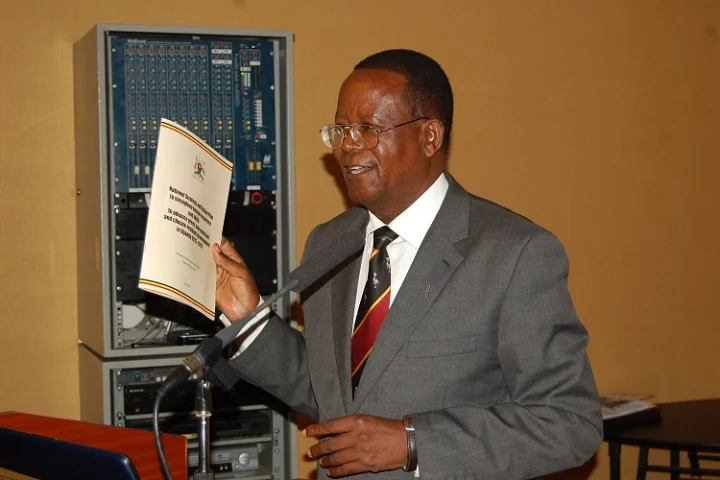
Uganda, like many other democracies, faces significant challenges related to electoral malpractices that undermine the integrity of the electoral process. Electoral malpractices, including voter bribery, ballot stuffing, intimidation, and vote rigging, not only threaten the legitimacy of elections but also erode public trust in the democratic system. In response to these challenges, the Uganda Electoral Commission (EC) has adopted various measures to curb electoral malpractices and ensure that the electoral process remains free, fair, and transparent.
The Uganda Electoral Commission has worked tirelessly to enhance its operational capabilities, improve voter education, strengthen the legal framework, and integrate technology to address electoral fraud. This article will explore how the Uganda Electoral Commission is preparing to curb electoral malpractices, focusing on the reforms and strategies it has implemented in recent years.
Background: Electoral Malpractices in Uganda
Uganda has witnessed a history of electoral irregularities and malpractices, which have fueled distrust in the electoral process. While Uganda has made significant strides in its democratic journey since the first multiparty elections in 1996, the country has faced numerous challenges, including allegations of voter manipulation, unfair campaigning, and violence.
In the 2021 general elections, for example, concerns over vote rigging, the suppression of opposition voices, and the use of state resources to influence voter behavior were raised by various stakeholders, including local and international observers. As a result, the Uganda Electoral Commission has taken steps to address these concerns and ensure a credible electoral process in future elections.
Key Strategies to Combat Electoral Malpractices
The Uganda Electoral Commission has adopted several strategies aimed at curbing electoral malpractices. These strategies focus on legal reforms, technological innovations, and enhancing institutional capacity to oversee the electoral process more effectively. Let’s look at some of the key measures taken by the EC.
1. Electoral Reforms and Legal Framework
The legal framework governing elections in Uganda plays a crucial role in ensuring that the electoral process is transparent and free from manipulation. In recent years, the Uganda Electoral Commission has worked closely with parliament, civil society organizations, and international stakeholders to strengthen the country’s electoral laws.
The Electoral Commission Act and the Political Parties and Organizations Act are two key pieces of legislation that regulate Uganda’s electoral process. These laws have undergone several amendments to ensure that electoral malpractices, such as vote buying, voter suppression, and election violence, are minimized.
One significant reform that has been implemented is the Election Offenses Act, which outlines specific offenses related to electoral malpractices, including bribery, illegal campaigning, and the destruction of election materials. The act also provides a legal framework for the prosecution of offenders and ensures that those found guilty of electoral fraud face legal consequences.
Additionally, the Uganda Communications Act has been amended to regulate the use of media during elections, with a particular focus on curbing the spread of misinformation and hate speech. This reform aims to ensure that political parties and candidates adhere to ethical campaigning standards, reducing the likelihood of disinformation campaigns and manipulation of public opinion.
2. Introduction of Technology in the Electoral Process
One of the most significant steps taken by the Uganda Electoral Commission to curb electoral malpractices is the increased use of technology to enhance transparency and reduce opportunities for fraud. The EC has adopted several technological innovations that have streamlined the electoral process and made it more secure.
Biometric Voter Registration (BVR) is one of the most critical technological innovations introduced by the EC. The BVR system ensures that voters’ identities are properly verified during registration and voting, making it difficult for individuals to engage in double voting or identity fraud. The system captures biometric data, such as fingerprints and photographs, to register voters, ensuring that the voter roll remains clean and accurate.
Additionally, electronic voting systems have been piloted in some areas, allowing voters to cast their votes digitally and securely. This system is designed to reduce the risk of ballot stuffing, vote manipulation, and other forms of election fraud. Electronic voting also makes the counting process faster and more transparent, as results can be transmitted securely to central tallying centers.
To further enhance transparency, the Electoral Commission has also introduced online voter verification tools, which allow voters to check their registration details via the EC website or mobile applications. This system allows voters to confirm their details before election day, ensuring that they are not disenfranchised or misdirected to the wrong polling stations.
3. Voter Education and Awareness Campaigns
Electoral malpractices often thrive in environments where voters are uninformed or unaware of their rights and responsibilities. In response, the Uganda Electoral Commission has ramped up its voter education efforts in recent years. Through various programs and outreach initiatives, the EC aims to empower Ugandans with the knowledge they need to participate fully in the electoral process and hold politicians and political parties accountable.
The EC has launched nationwide voter education campaigns to educate citizens about the importance of voting, how to identify and report electoral fraud, and the legal consequences of participating in illegal activities such as vote buying. The campaigns are conducted through a combination of traditional media, such as radio and television broadcasts, as well as digital platforms, including social media.
In addition, the EC works with civil society organizations and community groups to reach rural populations, where access to information may be limited. By partnering with local leaders, religious organizations, and other influential figures, the EC can ensure that the message of electoral integrity reaches every corner of Uganda.
The voter education program also emphasizes youth participation in elections, encouraging young people to register to vote and engage in the political process. This initiative is particularly important in a country like Uganda, where a significant portion of the population is under the age of 35.
4. Strengthening Polling Station Security and Monitoring
Polling stations are the focal point of any election, and ensuring that they are secure and free from electoral malpractices is crucial for maintaining the integrity of the process. The Uganda Electoral Commission has made significant strides in improving the security of polling stations, especially in areas prone to violence, intimidation, or irregularities.
Election observers from local and international organizations play a critical role in monitoring polling stations to ensure transparency and accountability. The EC has worked to facilitate the presence of independent observers at polling stations, and this has helped to deter fraudulent behavior and improve the credibility of the election results.
The EC also works closely with security agencies, including the Uganda Police Force and the Uganda People’s Defence Forces (UPDF), to ensure that polling stations are protected and that voters can cast their ballots without fear of intimidation or violence. This is particularly important in areas where political rivalries run deep and violence is more likely to occur.
In addition to physical security, the EC has implemented electronic surveillance systems to monitor activities at polling stations and prevent tampering with election materials. Real-time video feeds are used to track the voting process, ensuring that it is conducted smoothly and without interference.
5. Addressing Election Violence and Voter Intimidation
Election-related violence and voter intimidation are significant issues that undermine the credibility of the electoral process. To address these concerns, the Uganda Electoral Commission has introduced measures aimed at preventing violence during the election period.
The EC has established election security committees that work in collaboration with law enforcement agencies to prevent violence during campaigns and on election day. These committees are responsible for ensuring that political parties adhere to the rules of fair play and that any acts of violence or intimidation are swiftly addressed.
The commission also engages with political parties to promote peaceful campaigns and discourage hate speech, which can incite violence. The EC works with party representatives to develop codes of conduct that outline acceptable behavior during the election period, with strict penalties for those who incite violence or engage in electoral malpractices.
6. Strengthening Legal and Institutional Frameworks
The Uganda Electoral Commission is working within a legal framework that aims to punish electoral malpractices and ensure accountability. The EC has worked with the judiciary to ensure that there are legal consequences for those who attempt to manipulate the electoral process. Individuals found guilty of engaging in vote-buying, ballot tampering, or other forms of electoral fraud face serious penalties, including imprisonment and fines.
In addition, the EC has called for the establishment of independent electoral tribunals to hear election petitions and resolve disputes in a fair and timely manner. This helps to maintain public confidence in the election results and reduces the potential for post-election violence.
A Path to Electoral Integrity
The Uganda Electoral Commission’s efforts to curb electoral malpractices reflect its commitment to ensuring free, fair, and credible elections in the country. By implementing reforms in the legal framework, introducing modern technology, enhancing voter education, and strengthening security measures, the EC is taking significant steps toward improving the electoral process.
However, challenges remain, particularly in addressing entrenched political interests and ensuring that reforms are fully implemented across the country. Continued collaboration between the government, civil society, political parties, and the international community will be essential in sustaining these efforts and building a more robust electoral system for Uganda’s future.
The fight against electoral malpractices is ongoing, but with the continued dedication of the Uganda Electoral Commission and its partners, the country is moving closer to achieving a more transparent, accountable, and inclusive electoral process.