Uganda’s agricultural exports are at risk due to new European Union regulations. The EU’s Deforestation Regulation, effective 30 December 2025, could block access to markets worth €2.75bn ($3.2bn or Shs11.5tn) across East Africa. Uganda’s coffee industry is particularly vulnerable.
The regulation requires exporters to verify the legal origin of their products and ensure transparency across their supply chains. Unfortunately, only 15% of East African agribusinesses fully understand the new rules, according to a 2024 Danish Industry Report.
The Impact on Uganda Agricultural Exports
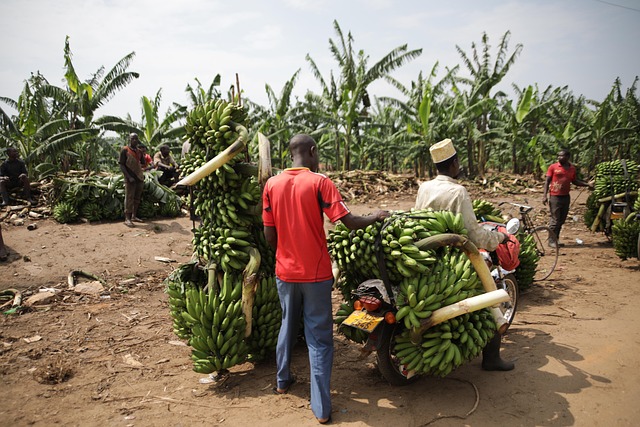
Coffee, Uganda’s second most valuable export, is heavily reliant on EU markets, which absorb more than 60% of East African coffee exports. Losing access to these markets would be devastating for Uganda. The regulation applies not only to coffee but also to cocoa, tea, oil crops, and timber. These products require traceability systems, which many smallholder farmers lack.
“Traceability enables competitiveness, market access, and financial inclusion,” said Susan Atyang, regional program manager at the Agricultural Business Initiative. She explained that traceability is now a baseline for staying competitive in the European market.
Smallholder Farmers Face Major Compliance Challenges
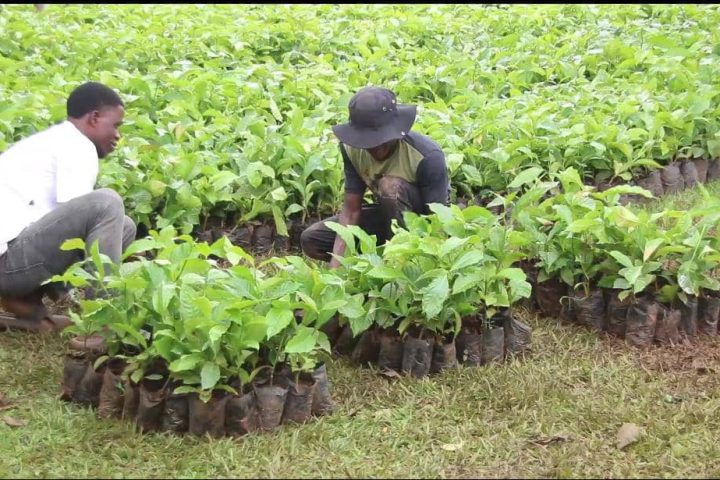
In Uganda, over 75% of agriculture depends on smallholder farmers. However, many lack the land documentation needed for geolocation verification. With internet penetration at just 28.5%, farmers also face challenges accessing the digital tools required for compliance.
According to the Danish Industry Report, 65% of companies need clearer guidance on compliance. Another 57% require practical frameworks, while 52% lack access to the necessary digital tools. This uncertainty has led some EU buyers to reduce their purchases from East African suppliers, where smallholder-driven supply chains complicate verification.
Empowering Farmers and Raising Awareness
Experts agree that empowering farmers is key to overcoming traceability challenges. “The real challenge is not ability, it’s awareness,” said Waithera Muriithi, strategy and innovation lead at Café Africa Uganda. “When farmers understand the benefits, adoption accelerates.”
Café Africa Uganda is leading national efforts to streamline compliance, including forming EU Deforestation Regulation task forces and developing a national data warehouse.
Shared-Cost Models for Scaling Compliance
The cost burden of compliance remains a concern. Fanny Butler, senior head of markets at Koltiva, emphasized that shared-cost arrangements are crucial for smallholder-dominated regions. In this model, buyers subsidize onboarding costs, suppliers maintain data quality, and development partners co-finance mapping efforts.
This approach is gaining traction, as exporters realize that navigating complex agricultural landscapes requires joint investment to maintain market access.
The Stakes for Uganda’s Agricultural Exports
The message for Uganda’s exporters is clear: adopting digital traceability early will secure access to premium European markets. However, those who delay risk being locked out entirely. East Africa is projected to contribute 19% of global agricultural production over the next decade. How quickly the region closes its compliance gap will determine its ability to seize this potential.
Manfred Borer, CEO of Koltiva, put it plainly: “East Africa has the resources, productive ecosystems, and global demand. What it needs now is synchronized readiness.”