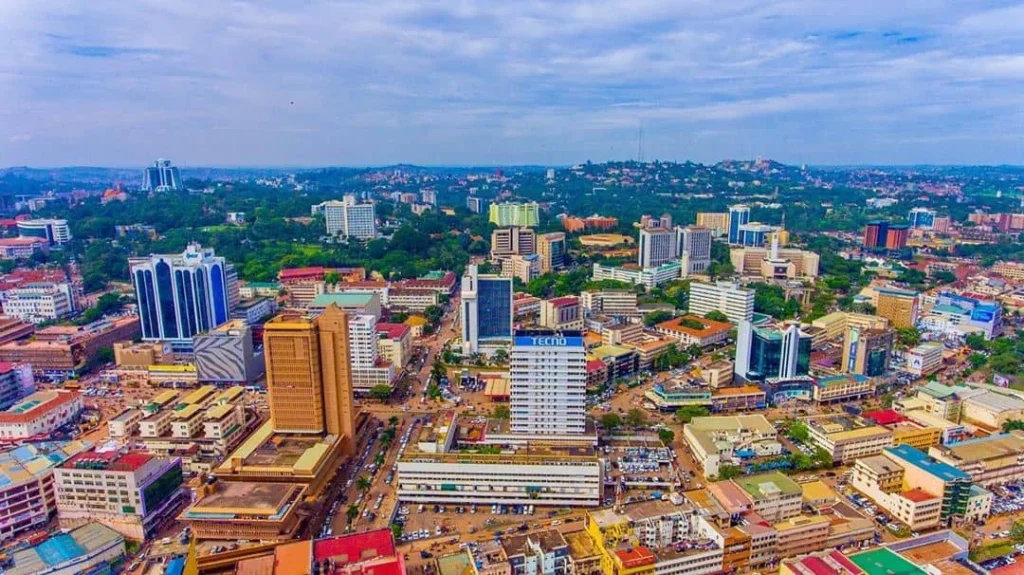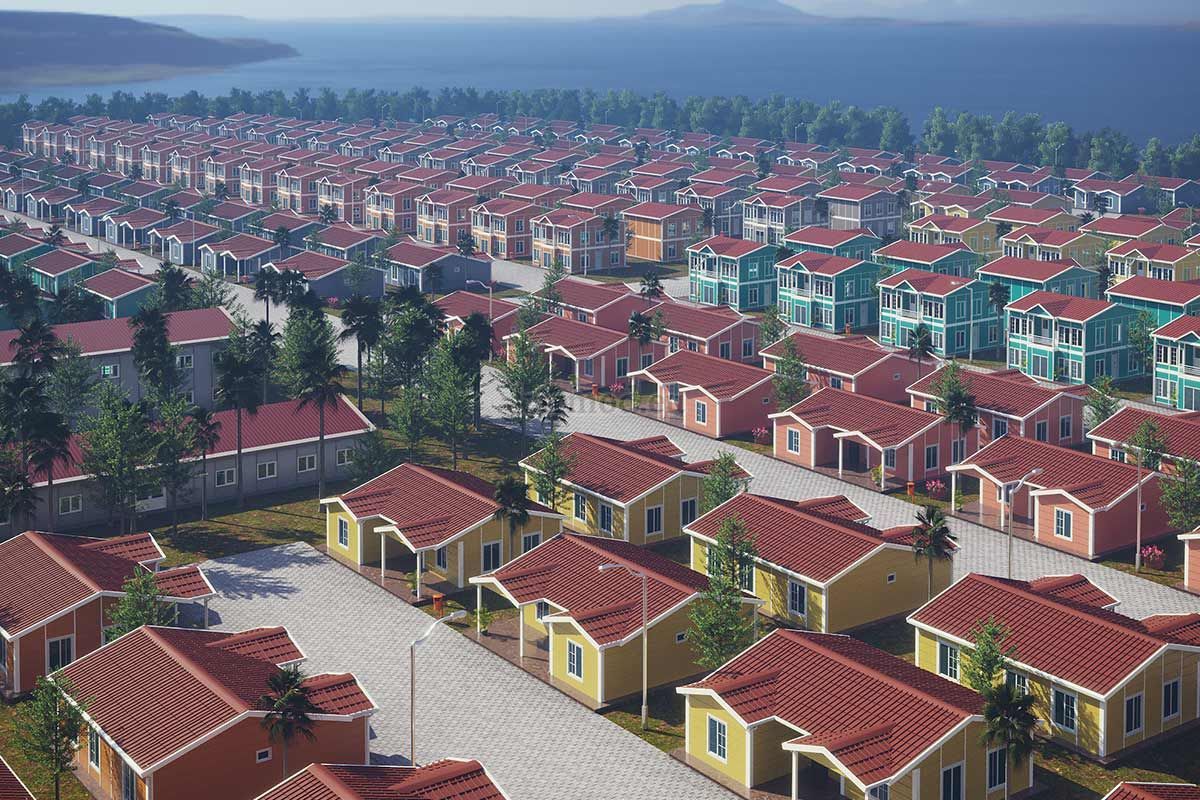
Uganda is facing a growing housing shortage driven by rapid population growth, urbanization, and rising construction costs. As Uganda continues to urbanize, the demand for decent, affordable housing is increasing faster than supply. In 2026, this housing gap presents serious social and economic challenges, but it also opens opportunities for investment, policy reform, and innovation in the real estate sector.
Housing is more than shelter—it influences health, productivity, and overall quality of life. Addressing Uganda’s housing shortage is therefore critical to sustainable development and inclusive urban growth.
Understanding Uganda’s Housing Shortage
Uganda’s housing deficit has been widening for years. Rapid population growth, especially among young people, has placed pressure on cities and towns to provide adequate housing. Urban centers such as Kampala attract thousands of new residents each year in search of employment and education.
However, housing supply has not kept pace with this influx. Formal housing developments remain limited and often priced beyond the reach of low- and middle-income households. As a result, many urban residents live in informal settlements characterized by overcrowding, poor sanitation, and limited access to basic services.
Rural-to-urban migration continues to accelerate this trend, increasing demand for rental housing and affordable home ownership options.

Key Challenges Driving the Housing Crisis
One of the biggest challenges is affordability. Construction costs in Uganda remain high due to expensive building materials, reliance on imports, and limited access to affordable financing. Developers often target high-income buyers to recover costs, leaving a significant gap in the affordable housing segment.
Access to mortgage financing is another constraint. High interest rates, short loan tenures, and strict eligibility requirements limit the number of Ugandans who can access housing loans. Without long-term, affordable financing, home ownership remains out of reach for many households.
Land administration issues further complicate housing delivery. Delays in land titling, disputes, and unclear ownership discourage investment and slow development. In some cases, land speculation pushes prices higher, reducing affordability even in peri-urban areas.
Infrastructure limitations also play a role. Areas without roads, water, electricity, and sanitation are less attractive for large-scale housing projects. Where infrastructure is lacking, developers face higher costs, which are often passed on to buyers or tenants.
Informal Settlements and Urban Pressure
The housing shortage has led to the rapid expansion of informal settlements, particularly around Kampala and other growing towns. These settlements provide shelter but often lack planning, safety standards, and basic services.
Overcrowding in informal areas increases health risks and strains public services. It also highlights inequality in access to decent housing. Addressing informal housing requires not only new construction but also upgrading existing settlements through infrastructure improvements and community-driven solutions.
Urban planning challenges arise when housing growth is not aligned with transport, employment centers, and social services. Poorly planned expansion can increase congestion and reduce productivity.
Opportunities for Affordable Housing Development
Despite these challenges, Uganda’s housing shortage presents significant opportunities. Demand for affordable housing is strong and sustained, creating a large potential market for developers willing to innovate.
Public-private partnerships offer one solution. By working with government, private developers can access land, infrastructure support, and incentives that reduce project costs. In return, developers can deliver housing targeted at low- and middle-income groups.
Alternative construction technologies also offer promise. The use of locally sourced materials, prefabrication, and cost-efficient building methods can reduce construction expenses while maintaining quality. These innovations can help scale housing supply more quickly.
Role of Government and Policy Reform
Government policy plays a central role in addressing the housing shortage. In 2026, policy focus increasingly emphasizes affordable housing, urban planning, and infrastructure expansion. Streamlining land registration processes and improving transparency can encourage investment and reduce delays.
Expanding access to housing finance is equally important. Support for long-term mortgage products, housing cooperatives, and savings schemes can make home ownership more attainable. Targeted subsidies or guarantees for first-time buyers may also help stimulate demand.
Investment in infrastructure—roads, utilities, and public transport—can unlock new areas for housing development and reduce pressure on city centers.
Housing as an Economic Opportunity
Housing development has wide economic benefits. Construction activity creates jobs, stimulates demand for local materials, and supports related industries. Affordable housing also improves labor mobility, allowing workers to live closer to employment opportunities.
Well-planned housing developments contribute to healthier, more productive communities. Access to safe housing improves education outcomes, public health, and social stability.
The Path Forward
Solving Uganda’s housing shortage requires coordinated action between government, private sector players, financial institutions, and communities. No single solution will close the housing gap, but a combination of policy reform, investment, innovation, and inclusive planning can make meaningful progress.
Uganda’s housing shortage remains one of the country’s most pressing urban challenges in 2026. Rising demand, affordability constraints, and infrastructure gaps continue to limit access to decent housing. Yet within this challenge lies opportunity. By embracing affordable housing development, innovative construction methods, and supportive policies, Uganda can transform its housing sector into a driver of economic growth and social well-being.