Infrastructure development has become one of the most powerful drivers shaping Uganda’s real estate market. As Uganda continues to invest in roads, energy, transport, and urban services, the effects are increasingly visible across residential, commercial, and industrial property segments. In 2026, infrastructure expansion is not only improving connectivity but also redefining land values, investment patterns, and urban growth across the country.
Real estate development in Uganda has historically concentrated around major towns. However, new infrastructure projects are changing this pattern by opening up previously underdeveloped areas. Improved access, reduced travel time, and enhanced services have made many locations more attractive to investors, developers, and homebuyers.
Infrastructure as a Catalyst for Real Estate Growth
Infrastructure acts as a foundation for real estate development. Roads, electricity, water, and transport systems determine where people choose to live and where businesses operate. In Uganda, government-led infrastructure investments have significantly improved accessibility between cities, suburbs, and regional hubs.
Major road upgrades and highway projects have reduced congestion and travel time, encouraging suburban expansion. Areas once considered distant or impractical for daily commuting are now viable residential and commercial zones. This shift has expanded the real estate market beyond traditional urban cores.
As infrastructure improves, land values tend to rise. Developers respond by building housing estates, apartments, office parks, and retail centers, creating a cycle of growth driven by improved connectivity.
Transport Infrastructure and Property Demand
Transport infrastructure has had the most visible impact on Uganda’s real estate sector. Projects such as expressways, bypasses, and upgraded highways have reshaped property demand patterns, especially around Kampala.
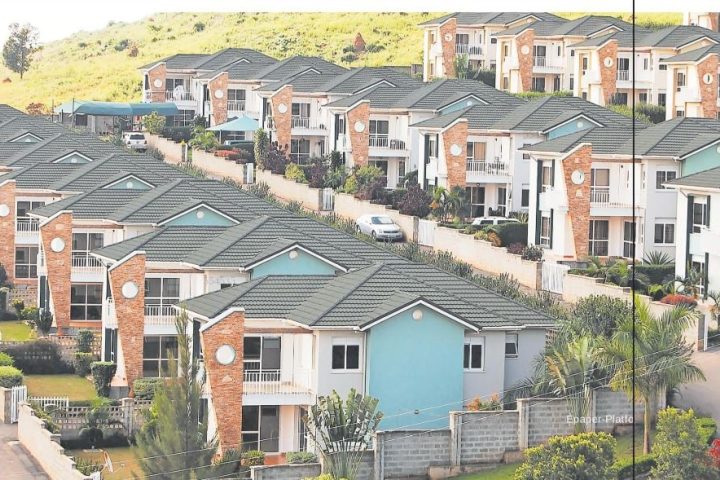
Improved road networks linking Kampala to surrounding districts have boosted demand for residential developments in satellite towns. Professionals increasingly choose to live outside the city center while commuting efficiently for work. This trend has fueled the growth of gated communities, apartment complexes, and mixed-use developments along major transport corridors.
Public transport improvements and road expansion have also enhanced commercial real estate prospects. Retail centers, warehouses, and office developments benefit from easier access for customers, employees, and logistics operations.
Energy and Utilities Supporting Development
Reliable energy and utility services are essential for modern real estate projects. Uganda’s investments in electricity generation and distribution have supported the rise of high-density residential and commercial buildings. Stable power supply reduces operating costs and improves the attractiveness of properties to tenants and buyers.
Water and sanitation infrastructure also play a critical role. Developments in areas with access to piped water and sewer systems command higher property values. As utility coverage expands, developers gain confidence to invest in large-scale housing and commercial projects.
In industrial zones, improved energy and utility infrastructure supports factories, logistics hubs, and business parks, contributing to broader economic growth and increased demand for nearby housing.
Urbanization and Housing Development
Uganda’s rapid urbanization is closely linked to infrastructure development. As cities expand, demand for housing continues to rise. Infrastructure investments help manage this growth by guiding development into planned areas rather than unregulated settlements.
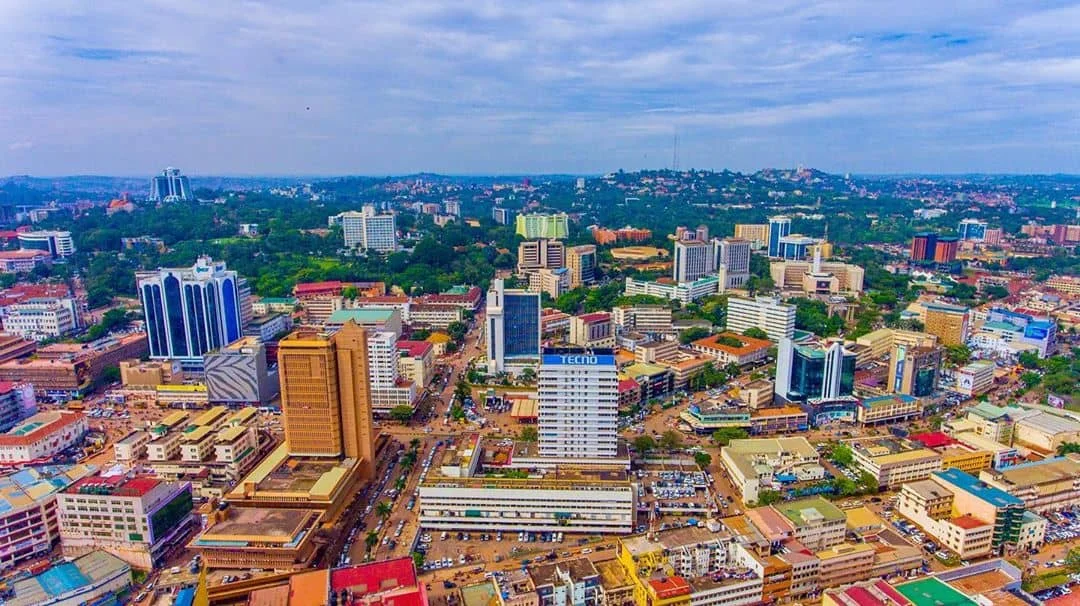
In Kampala and other growing cities, infrastructure has encouraged vertical development. Apartment buildings and mixed-use complexes are increasingly common, reflecting both land scarcity and improved service provision. These developments cater to a growing middle class seeking modern housing close to workplaces and amenities.
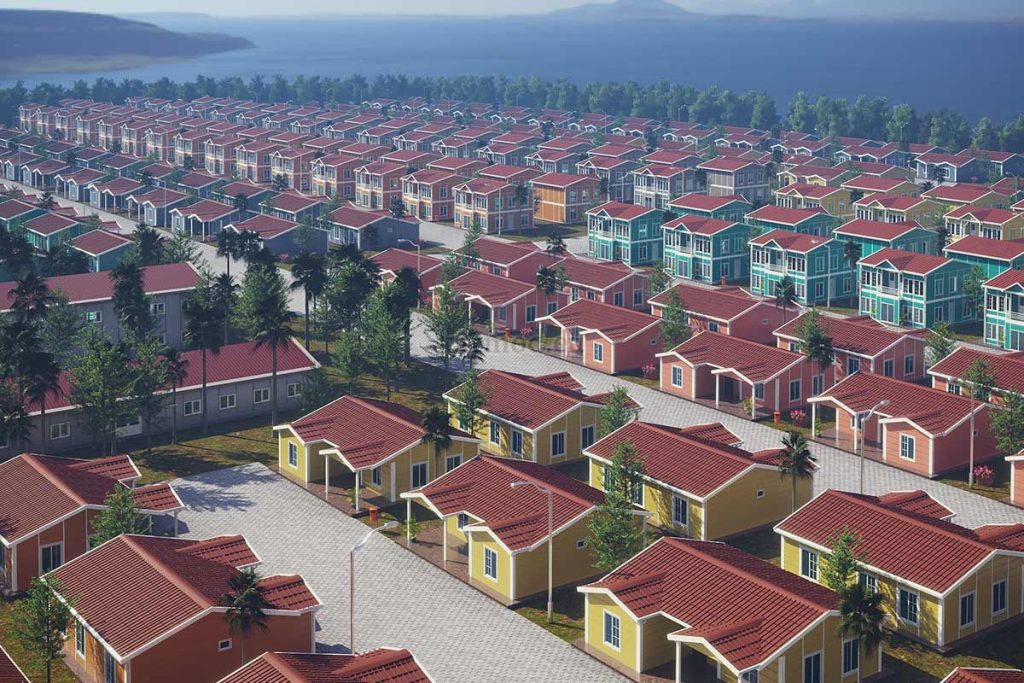
Affordable housing projects also benefit from infrastructure expansion. When roads and utilities reach new areas, developers can build housing at lower land costs, potentially improving access to decent housing for more Ugandans.
Commercial Real Estate and Business Hubs
Infrastructure development has strengthened Uganda’s commercial real estate market. Improved connectivity supports the growth of business districts, shopping centers, and office spaces. Investors are more willing to commit capital when infrastructure reduces operational risks and enhances long-term viability.
Areas near major roads, airports, and logistics hubs attract hotels, office parks, and retail developments. These projects generate employment and stimulate demand for residential properties nearby, creating integrated urban ecosystems.
Tourism-related infrastructure also influences real estate. Improved transport links to national parks and tourist centers support hotel and resort development, further diversifying the property market.
Regional Development and Land Value Appreciation
Infrastructure projects have expanded real estate opportunities beyond Kampala. Improved regional roads and services have increased land values in secondary cities and towns. These areas now attract investors seeking lower entry costs and long-term growth potential.
As regional centers grow, demand rises for housing, retail space, and offices. Infrastructure helps balance national development by reducing pressure on the capital and encouraging investment across the country.
Land value appreciation in these areas benefits landowners but also highlights the need for proper planning to ensure sustainable and inclusive growth.
Challenges and Risks
Despite its positive impact, infrastructure-driven real estate growth comes with challenges. Rapid development can strain services if infrastructure expansion does not keep pace with demand. Rising land prices may also reduce affordability, particularly for low- and middle-income households.
Speculation around new infrastructure projects can distort land markets, leading to uneven development. In addition, delays in project completion or maintenance can affect investor confidence.
Effective urban planning, transparent land administration, and coordinated policy implementation are essential to managing these risks.
The impact of infrastructure development on Uganda’s real estate sector is profound and far-reaching. Improved transport, energy, and utilities have reshaped property demand, expanded investment opportunities, and supported urban and regional growth. While challenges remain, continued infrastructure investment, combined with sound planning and regulation, positions Uganda’s real estate market for sustained development. As connectivity improves and cities evolve, infrastructure will remain a central force shaping the future of real estate in Uganda.