Uganda’s real estate sector continues to attract local and foreign investors due to rapid urbanization, economic growth, and rising demand for residential, commercial, and mixed-use properties. As cities expand and infrastructure improves, certain areas stand out as prime locations for investment. Whether you’re considering long-term rental income, capital appreciation, or development projects, identifying the right neighborhood is crucial. Below, we explore some of the top neighborhoods to invest in Uganda’s real estate market in 2026.
Kampala: The Heart of Real Estate Investment
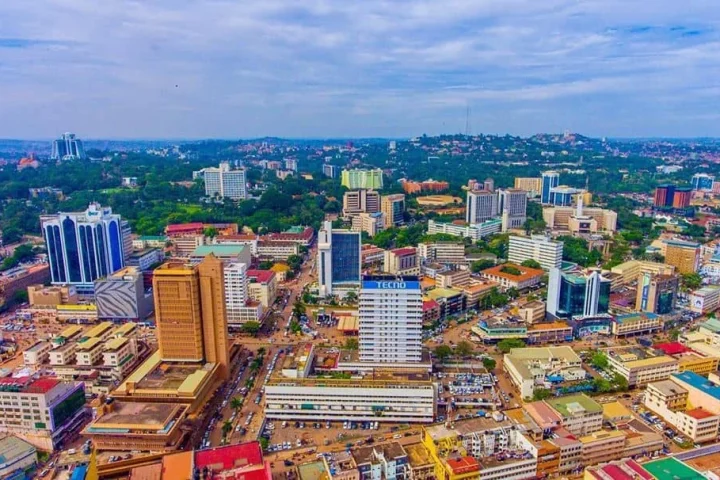
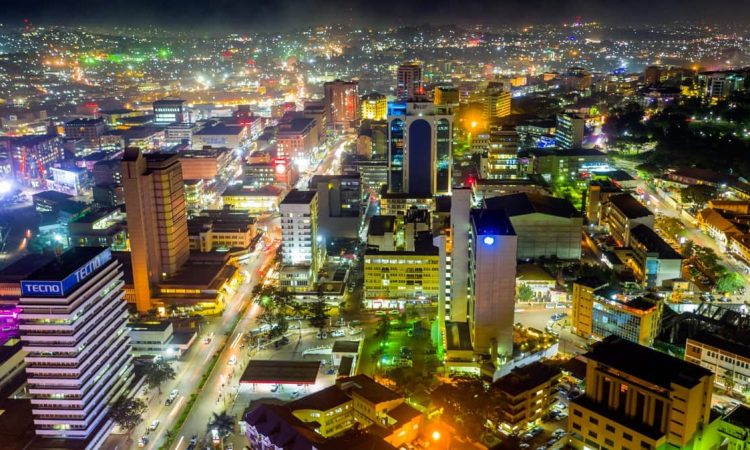
Kampala remains the most active and dynamic real estate market in Uganda. As the political, economic, and cultural center of the country, Kampala attracts significant demand for both residential and commercial space.
1. Bugolobi: Luxury and Strategic Location
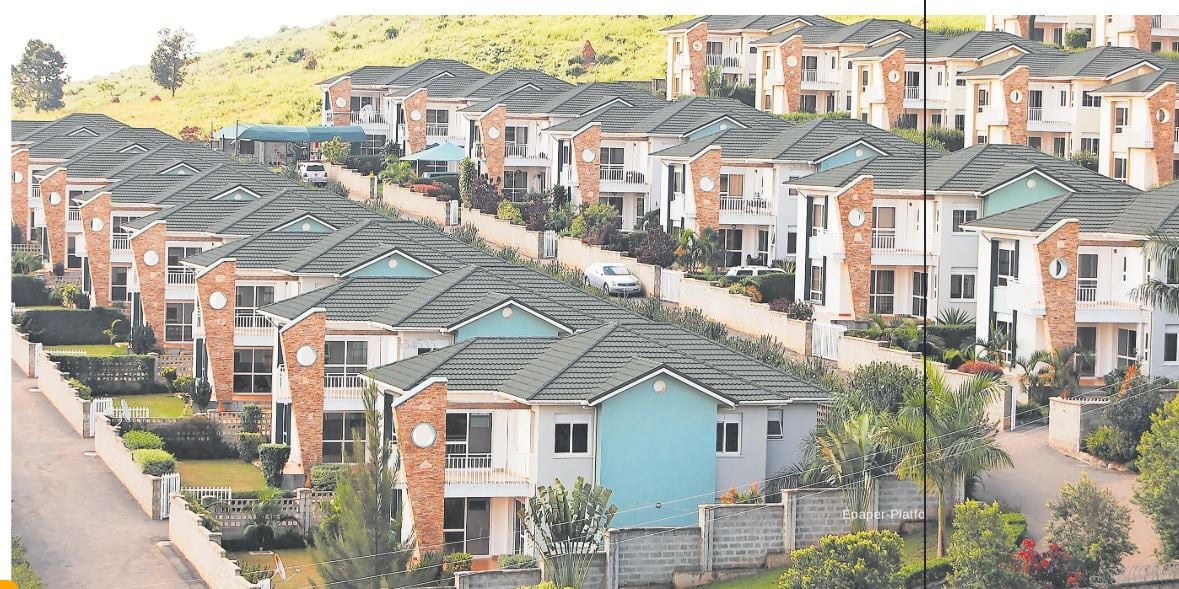
Bugolobi is one of Kampala’s most sought-after residential neighborhoods. Known for its modern homes, secure estates, and proximity to major business districts, Bugolobi appeals to middle- and upper-income residents. Its location near shopping centers, international schools, and corporate offices makes it attractive to expatriates and professionals.
Investors benefit from steady rental demand and strong potential for capital appreciation. Properties here often command premium prices, and well-developed homes or plots can deliver reliable returns.
2. Kololo: Prestigious and High-End
Kololo is synonymous with prestige in Kampala’s real estate. This neighborhood hosts embassies, luxury residences, and upscale amenities. Security and exclusivity make Kololo highly attractive to affluent buyers and long-term investors.
While entry prices are among the highest in the city, the area’s reputation ensures sustained demand. Rental yields and resale values remain strong, especially for well-located properties.
3. Ntinda: Emerging Residential Hub
Ntinda has grown rapidly as a residential and commercial district. With new developments, shopping complexes, and improved infrastructure, Ntinda appeals to young professionals and families seeking a balance between urban convenience and community living.
Land prices in Ntinda are generally lower than in central Kampala, offering investors good value and long-term growth potential. Rental demand is boosted by its accessibility and amenities, making it a strategic choice for residential developments.
4. Mbarara: Western Growth Center
Outside Kampala, Mbarara has emerged as a major center for real estate investment. As Western Uganda’s economic and administrative hub, Mbarara benefits from increased business activity, education institutions, and expanding infrastructure.
Residential and commercial properties in Mbarara show strong growth potential as migration to the city increases. Investors can access more affordable land compared to Kampala, with the possibility of significant appreciation as the city develops.
5. Entebbe: Lakeside Investment Opportunity
Entebbe offers a unique real estate investment case thanks to its location on the shores of Lake Victoria and proximity to Entebbe International Airport. The area’s appeal to expatriates, tourists, and high-income residents drives demand for residential homes, holiday rentals, and hospitality projects.
Entebbe’s market provides opportunities for both luxury developments and mixed-use projects. Its natural beauty and strategic location make it a compelling choice for investors seeking diversification beyond Kampala.
6. Kamwokya: Urban Renewal and Mid-Market Appeal
Kamwokya is a centrally located Kampala neighborhood undergoing rapid transformation. Once a primarily residential area, it now features mixed-use developments, retail spaces, and improved transport links. Its proximity to business districts makes it suitable for both rental apartments and commercial investments.
Investors targeting mid-market renters find Kamwokya attractive due to relatively affordable land prices and a growing demand for quality housing near employment centers.
7. Lugogo: Sports, Retail, and Development Potential
Lugogo is known for its shopping centers, sports facilities, and emerging residential projects. Its central location and ongoing commercial growth make it appealing for investors interested in retail, mixed-use, or residential properties aimed at professionals and young families.
Ongoing infrastructure improvements enhance Lugogo’s accessibility, adding to its investment viability.
8. Wakiso District: Suburban Growth
The Wakiso District surrounds Kampala and includes growing towns like Nansana, Kira, and Wakiso. As urban expansion continues, these areas gain popularity for more affordable housing and development space.
Investors can capitalize on rising demand for commuter homes and large-scale rental estates. Improved transport links and infrastructure projects support long-term growth in the district.
Opportunities and Risks for Investors
Investing in Uganda’s real estate market offers several opportunities, including:
- High capital appreciation in urban and developing areas.
- Strong rental demand from young professionals, expatriates, and students.
- Diversification potential across residential, commercial, and mixed-use assets.
However, investors should also be aware of risks:
- Land title issues: Clear and secure documentation is critical.
- Infrastructure gaps: Some areas may lack reliable services.
- Market volatility: Economic shifts can affect demand and pricing.
Conducting thorough due diligence, working with reputable local partners, and understanding regulatory requirements are essential for success.
Uganda’s real estate market in 2026 presents diverse investment opportunities across multiple neighborhoods. From the prestige of Kololo and Bugolobi in Kampala to emerging hubs like Ntinda, Mbarara, and Wakiso District, each area offers unique potential depending on investor goals. With proper planning and market insight, investors can find promising returns in one of East Africa’s most dynamic property markets.