In the volcanic hills of Rubirizi District, Uganda, where erratic rainfall patterns, soil erosion, and landslides frequently devastate farmlands, a group of determined farmers is experiencing a transformative change, thanks to the Kafuro irrigation scheme in Kafuro village, Kirugu sub-county. Despite the ongoing environmental challenges, including unpredictable weather, steep hillsides prone to landslides, and the scarcity of water, the scheme has provided reliable access to water, allowing farmers to cultivate crops all year round. This change has not only improved the livelihoods of local farmers but also rekindled a long-held dream within the Kihungye Church of Uganda—to establish a primary school for the community.
A Lifeline for Farmers and the Church
In areas such as Kafuro, the scarcity of water has long been a significant barrier to agricultural productivity. Farmers, including those at Kihungye Church of Uganda, relied heavily on rain-fed agriculture, which often proved unreliable and insufficient. The priest of Kihungye Church, Osbadest Kanyesigye, shared the difficulties the community faced in accessing water. “The nearest water source is too deep for children and the elderly to access safely,” he explained. The risk of crocodile attacks in Lake Kyamwiga further compounded the problem, making it unsafe for the community to collect water from the lake.
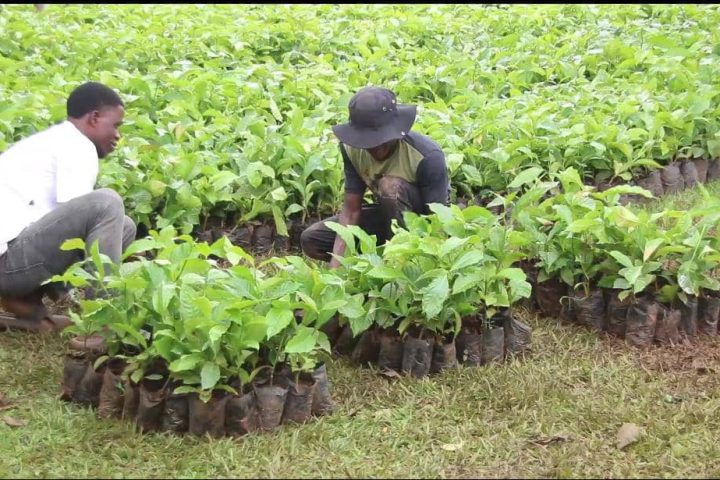
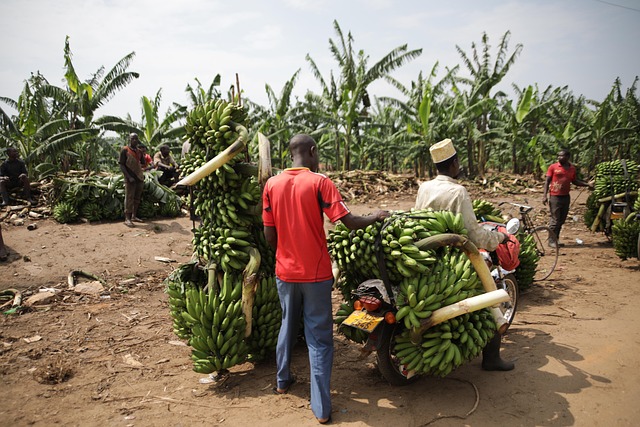
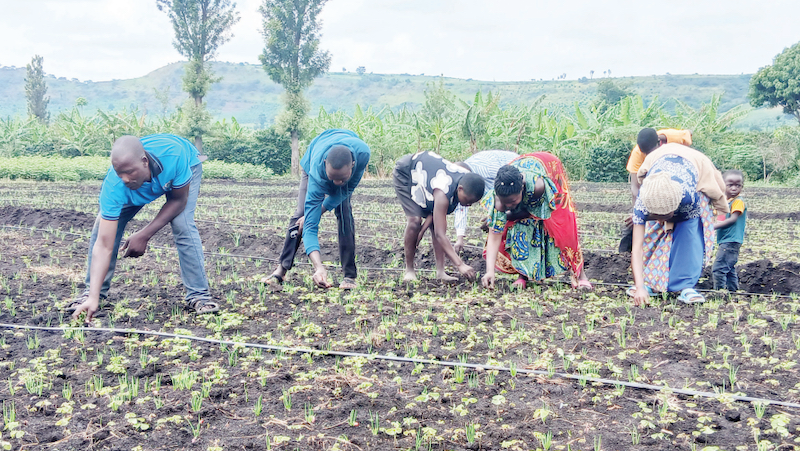
However, the Kafuro irrigation scheme, introduced in the area, has been a game-changer. The scheme’s infrastructure, including reliable irrigation systems, has allowed farmers to grow crops such as bananas, coffee, cotton, millet, and vegetables, even during the dry season. The church, leveraging land within the scheme, has started growing crops such as watermelons, tomatoes, and coffee. These agricultural activities are providing much-needed income, with the church aiming to raise Shs 20 million within two years to fund the construction of a Church of Uganda primary school.
“The church aims to raise Shs 20 million from agricultural produce within the next two years to start a school,” Kanyesigye shared. “We also plan to renovate the lay leaders’ house, buy chairs, and improve the church structure.” The project’s success highlights the role of agriculture in supporting not only local livelihoods but also broader community goals, such as education and infrastructure development.
Transforming Livelihoods and Creating New Opportunities
The impact of the irrigation scheme has extended beyond the church’s goals. Farmers who have benefited from the scheme are now able to cultivate crops throughout the year, boosting their income and enabling them to invest in long-term goals. David Kisembo, a coffee farmer, shared his personal success story. Prior to the irrigation scheme, Kisembo had to spend Shs 30,000 daily on water for his coffee farm and wet mill. With the introduction of the irrigation system, he no longer faces this financial burden, allowing him to save money for his children’s education.
“I used about 5,000 litres of water daily at the wet mill and on the coffee farm, which cost me Shs 30,000. With the irrigation scheme in place, I no longer incur this cost and instead save money to pay my children’s school fees,” Kisembo explained. This newfound financial flexibility is not just improving his family’s quality of life but also enabling him to plan for the future. Kisembo has set a target of raising Shs 60 million to establish coffee solar dryers and storage facilities, which will further enhance his coffee business.
Adrine Kyotungire, another farmer who has benefitted from the irrigation scheme, also expressed how it has allowed her to diversify her agricultural activities. Previously, she struggled with the cost and effort of fetching water during the dry season, which cost her up to Shs 600,000 per season to irrigate a small vegetable plot. Now, she can grow crops such as onions year-round and has even purchased a plot of land worth Shs 3 million at the local trading center. Kyotungire aims to raise Shs 1.5 million to start a poultry farm, demonstrating the broader economic potential unlocked by the irrigation system.
“I can now grow onions at any time of the season. My long-term goal is to raise Shs 1.5 million to start a poultry farm,” Kyotungire said. “Now I save that money for other needs,” she added, referring to the savings made possible by the irrigation system. The ability to grow crops consistently and save money has had a profound impact on farmers’ livelihoods and their aspirations.
Overcoming Challenges and Seeking Further Support
While the Kafuro irrigation scheme has brought substantial benefits, challenges remain, particularly in areas such as infrastructure and market access. Kyotungire highlighted the poor road networks, especially during the rainy season, which make it difficult for farmers to transport their produce to markets. Additionally, the limited availability of markets for agricultural produce remains a concern. Kyotungire and other farmers have called on the government to expedite trade agreements and create more accessible markets for their crops.
Benon Twinamasiko, another farmer who has benefited from the irrigation scheme, shared his experience of saving money previously spent on fetching water. “Thanks to the free government irrigation scheme, I now save that money and spend it on other necessities,” Twinamasiko said, further underscoring the tangible benefits the scheme provides.
Despite these challenges, the Kafuro irrigation scheme has been a significant success and is poised to continue transforming the agricultural landscape of Rubirizi district. Farmers are more confident in their ability to generate consistent income, and the church’s efforts to establish a school and improve community infrastructure have taken a positive step forward.
Looking Ahead: A Sustainable Model for Rural Development
The Kafuro irrigation scheme represents a model of how targeted interventions in agriculture, paired with local community involvement, can significantly improve rural livelihoods. As the scheme continues to provide farmers with the tools they need to thrive, it also offers a blueprint for other regions facing similar challenges of water scarcity and poor agricultural practices.
The combination of reliable irrigation, crop diversification, and the empowerment of local communities offers hope for a sustainable future in Uganda’s rural areas. With continued support from the government and other stakeholders, the scheme’s impact could be expanded, helping to lift even more communities out of poverty and creating new opportunities for growth and development.
A Step Toward Sustainable Agriculture and Education
The Kafuro irrigation scheme is a testament to the power of community-driven development, where the convergence of agricultural innovation, government support, and local initiative is transforming lives. For the church, the irrigation project not only provides financial independence but also brings it closer to realizing its dream of establishing a primary school in the community. For farmers like Kisembo, Kyotungire, and Twinamasiko, the scheme has created new opportunities for growth, security, and a brighter future. With continued investment and support, the Kafuro irrigation scheme has the potential to become a model for sustainable rural development in Uganda.