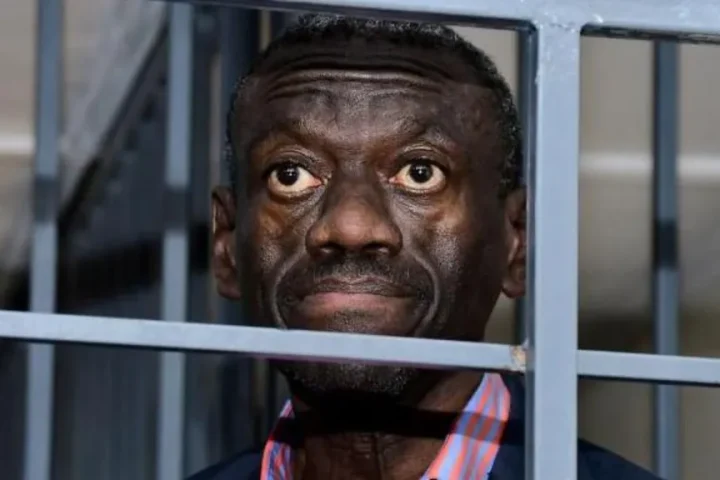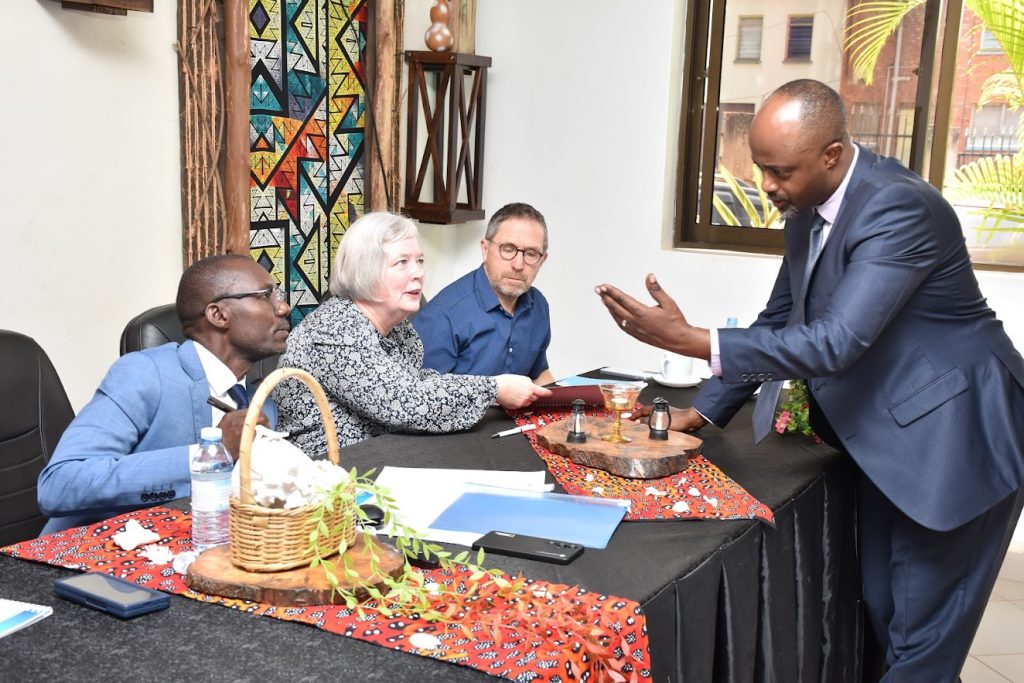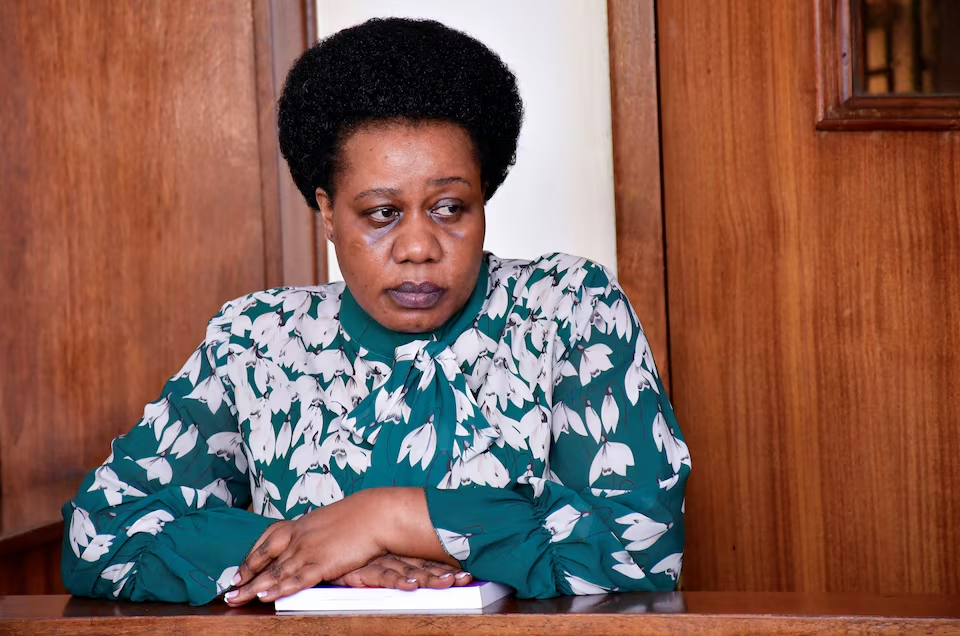
In a significant development for Uganda’s human rights movement, Sarah Bireete, the executive director of the Centre for Constitutional Governance (CCG), was granted bail by a Ugandan court on Wednesday. Bireete, a prominent critic of the government and its policies, was arrested on December 30, 2025, after she questioned the accuracy of the voter register to be used in the country’s general election. Her detention had raised concerns among human rights organizations, who viewed it as part of a broader crackdown on dissent as Uganda approached its highly contested election.
Detention Sparks International Outcry
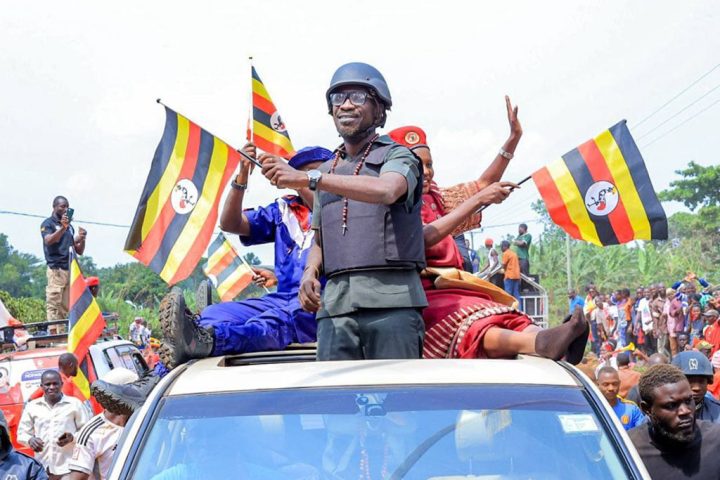
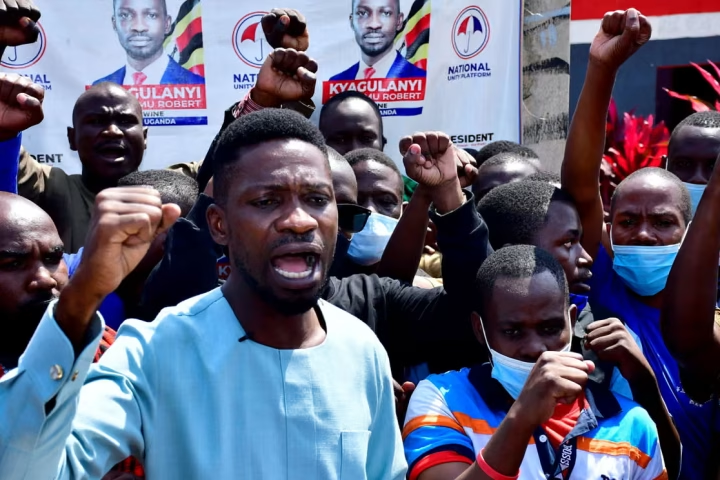
Bireete’s arrest came shortly after she publicly raised concerns about alleged irregularities in Uganda’s electoral process. The opposition, led by Bobi Wine, had already accused the government of engaging in widespread voter suppression, illegal detentions, and the use of torture against its supporters. Bireete’s detention added fuel to these accusations, with her supporters and international human rights groups claiming that she was being persecuted for her efforts to amplify the voices of marginalized and oppressed communities.
On Wednesday, Magistrate Winnie Nankya Jatiko ruled that Bireete had met all the necessary conditions for bail, allowing her to be released from custody. This decision came as a relief to her supporters and human rights advocates, who had been calling for her unconditional release since her arrest.
Bireete had been charged with offenses related to the alleged unlawful disclosure of voters’ information, accusations that many believe were politically motivated. Her organization, CCG, has long been at the forefront of advocating for political reform, constitutional governance, and human rights in Uganda. In response to her detention, CCG and several international human rights organizations, including Amnesty International and Human Rights Watch, demanded her immediate and unconditional release.
Political Context: A Challenging Election Season
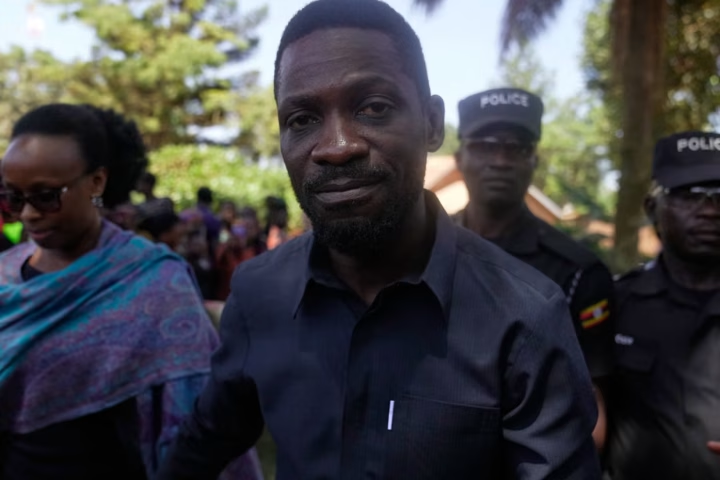
Bireete’s arrest came just weeks before Uganda’s general election, which took place on January 15, 2026. The election, which saw long-ruling President Yoweri Museveni secure 71.6% of the vote, was widely criticized by opposition groups and international observers for its lack of transparency and fairness. Opposition leader Bobi Wine, who had been a vocal critic of Museveni’s regime, rejected the election results and has since gone into hiding, with reports indicating that the military is actively searching for him.
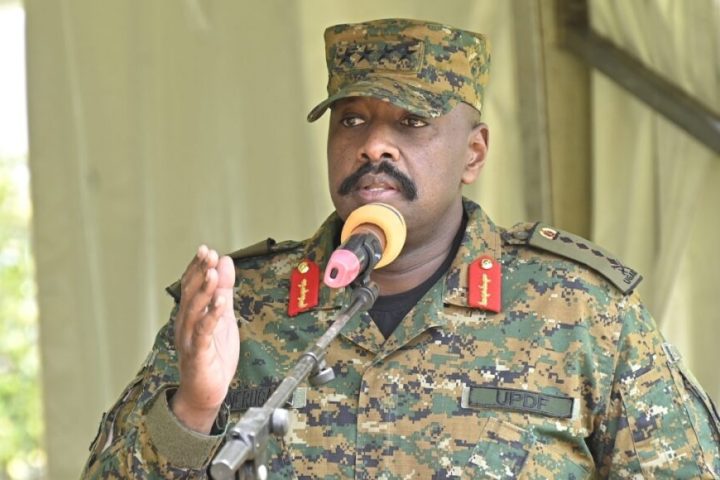
The government of President Museveni, who has been in power for nearly 45 years, has faced increasing accusations of using the military to stifle political opposition and suppress free speech. Human rights organizations have condemned the use of force against peaceful protesters, arbitrary detentions, and the targeting of opposition figures ahead of the election. Despite these criticisms, the government continues to deny allegations of human rights abuses and insists that the military is acting within the bounds of the law to maintain national security and order.
A Broader Crackdown on Dissent
Bireete’s case is not an isolated incident. Over the past several years, Uganda has seen a steady erosion of political freedoms, with opposition figures and civil society organizations facing increasing pressure from the government. The recent election season has been marked by a heightened crackdown on dissent, with numerous reports of arbitrary arrests, restrictions on freedom of expression, and the harassment of human rights defenders.
In particular, the military has been accused of playing a significant role in suppressing opposition voices, including by using intimidation tactics against political opponents and their supporters. The government, however, denies these claims, maintaining that any actions taken by the military are necessary to maintain public order and ensure the country’s stability.
The Role of International Pressure
The international community has been closely monitoring the situation in Uganda, particularly as it pertains to the treatment of political opponents and human rights defenders. Following Bireete’s arrest, organizations such as Amnesty International and Human Rights Watch condemned the Ugandan government for its actions, calling for her immediate release and demanding an end to the crackdown on civil society.
Bireete’s release on bail is a victory for human rights advocates, but the broader issues of political repression and human rights abuses remain unresolved. The Ugandan government faces mounting pressure from international bodies to address these concerns and uphold its commitments to human rights and democracy.
The Future of Uganda’s Political Landscape
As President Museveni enters his fifth decade in power, Uganda’s political future remains uncertain. The government has faced growing opposition both domestically and internationally, with many Ugandans calling for greater political freedom, a fairer electoral process, and an end to the use of military force to suppress dissent.
Bireete’s case highlights the ongoing struggle for human rights in Uganda, as well as the challenges faced by those who dare to speak out against the government. While her release on bail offers a glimmer of hope, the situation in Uganda remains fraught with tension, and it is unclear how the country will navigate its ongoing political and human rights challenges in the years to come.
A Critical Moment for Uganda’s Democracy
Sarah Bireete’s release on bail is a significant moment for Uganda’s human rights movement, signaling a temporary win for activists and civil society organizations that have been fighting against political repression. However, as Uganda looks toward its future, the challenges facing the country’s democracy remain daunting. The ongoing crackdown on dissent, combined with widespread concerns over electoral integrity, paints a troubling picture for the future of political freedoms in Uganda.
As the international community continues to pressure the Ugandan government to uphold its human rights obligations, the eyes of the world will be on Uganda to see how it responds to the calls for reform. Bireete’s case serves as a powerful reminder of the importance of defending civil liberties and the right to free expression, especially in countries where those rights are under threat.