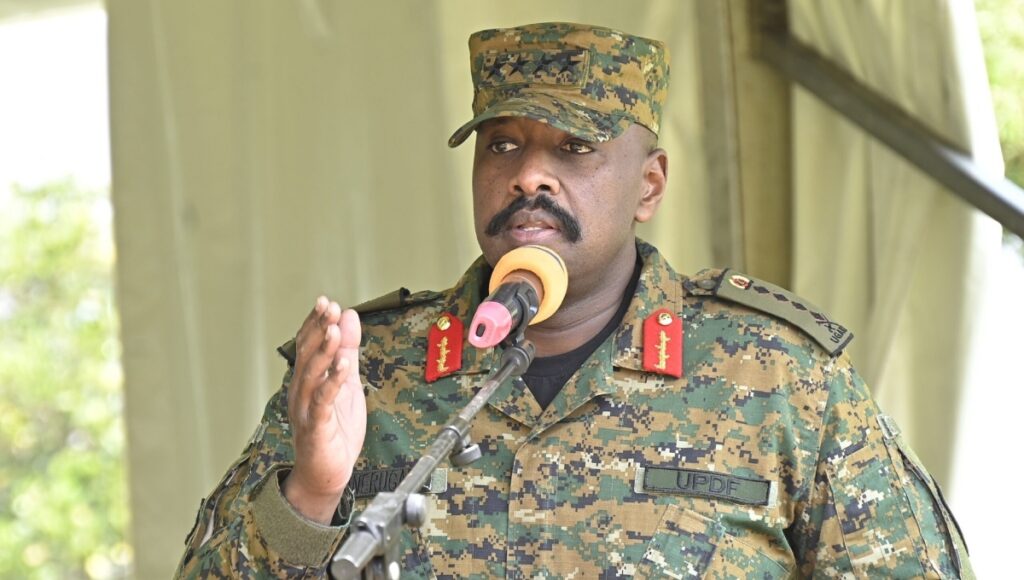
Uganda’s political climate has reached new heights of tension as the country’s army chief, Gen. Muhoozi Kainerugaba, publicly accused U.S. Embassy officials of providing assistance to opposition leader Bobi Wine, who has been in hiding since the disputed January 15, 2026, presidential election. The comments, made via a series of posts on X (formerly Twitter), reflect a sharp escalation in political unrest following the election results, which have been widely criticized by opposition figures and international observers.
The Accusations Against U.S. Embassy Officials
Gen. Muhoozi, who is also the son of President Yoweri Museveni and a key figure in Uganda’s military leadership, took to social media to accuse U.S. diplomats of supporting Bobi Wine’s efforts to evade capture. Kainerugaba, who has long been a prominent voice in Uganda’s political and military circles, suggested that Wine’s disappearance was a coordinated effort with U.S. Embassy officials.
In his now-deleted posts, Kainerugaba claimed that “unimaginative bureaucrats at the Embassy” had been undermining Uganda’s relationship with the United States, particularly when it came to security matters. He further implied that Wine had orchestrated his own abduction with the help of foreign actors, although no evidence has been provided to substantiate these claims.
The U.S. Embassy, for its part, has remained tight-lipped about the allegations, choosing not to comment on the situation.
Bobi Wine’s Hiding and Defiance
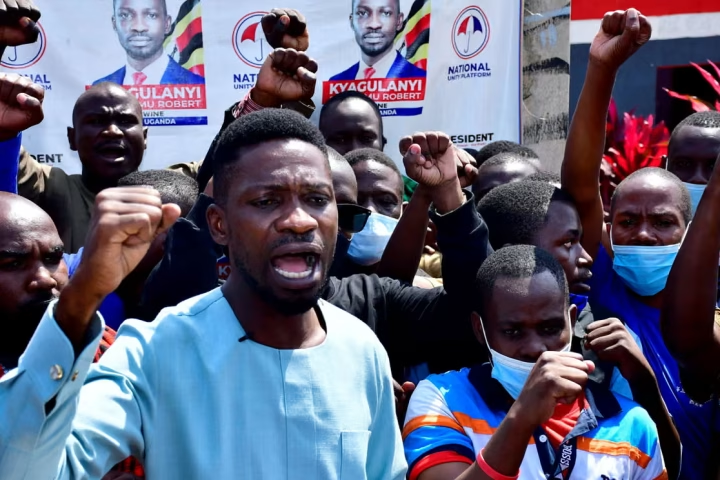
Bobi Wine, whose real name is Robert Kyagulanyi Ssentamu, has been a thorn in the side of President Museveni’s administration for years, notably running for president multiple times and gaining significant popularity, particularly among younger Ugandans frustrated with corruption and lack of economic opportunity. Wine was one of the most prominent challengers in Uganda’s most recent election, which saw Museveni win a controversial seventh term in office, garnering 71.6% of the vote compared to Wine’s 24.7%.
Following the election, Wine went into hiding, citing fears for his safety and alleging widespread fraud in the election process. Wine has used social media to document his movements, often posting videos from undisclosed locations across Uganda. In these posts, he taunts the Ugandan government for its inability to find him, further fueling tensions with the regime.
One of Wine’s videos, shared on X, showed him visiting a remote graveyard in central Uganda, where he lamented the injustice he says he has endured. His ability to evade capture for days on end has infuriated Gen. Muhoozi, who called Wine a “coward” and a “terrorist” in a series of online tirades.
The Military Pursuit of Bobi Wine
The Ugandan military, under the direction of Gen. Kainerugaba, has been intensifying its efforts to locate and apprehend Bobi Wine. Kainerugaba has made it clear in his social media posts that the opposition leader is “wanted dead or alive,” framing the search as a top priority for the military.
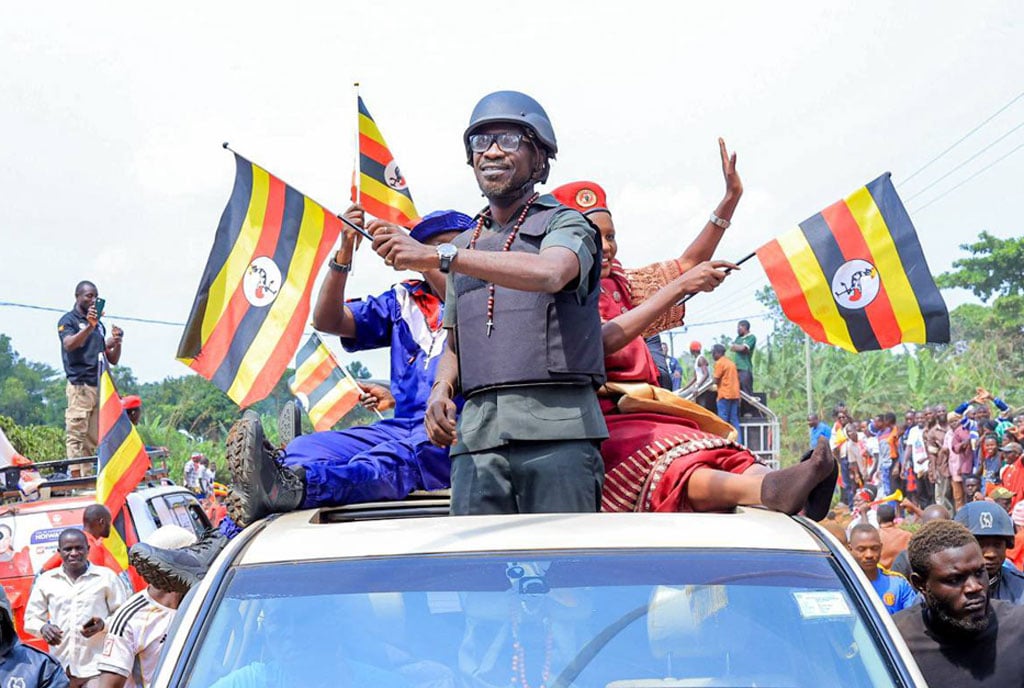
Bobi Wine’s defiance in the face of these efforts has made him a symbol of resistance for many Ugandans, particularly in urban areas where frustration with the government runs high. The army’s failure to capture him has been seen by some as evidence of the government’s weakening grip on power, an argument that Wine himself has made in his social media posts.
Wine’s comments have drawn the ire of the army chief, who has threatened severe consequences for any foreign powers that attempt to assist him in escaping the country. In his posts, Kainerugaba warned that any “foreign powers who attempt to smuggle Kabobi outside the country” would risk damaging Uganda’s relations with those nations.
A Night Raid and Allegations of Abuse
The situation took a violent turn on January 23, 2026, when Ugandan soldiers raided Bobi Wine’s home in the middle of the night. According to his wife, Barbara Kyagulanyi, the soldiers physically assaulted her, causing bruises and forcing her to seek medical treatment for anxiety. Gen. Kainerugaba has denied these allegations, claiming that no such abuse occurred during the raid and that the soldiers were simply looking for Wine.
The raid, however, has added fuel to the already intense political tensions, with many accusing the Ugandan government of using excessive force to intimidate Wine’s family and supporters. Barbara Kyagulanyi’s experience has been widely publicized and has further highlighted the harsh tactics employed by the government to silence opposition figures.
The Arrests and Detention of Supporters
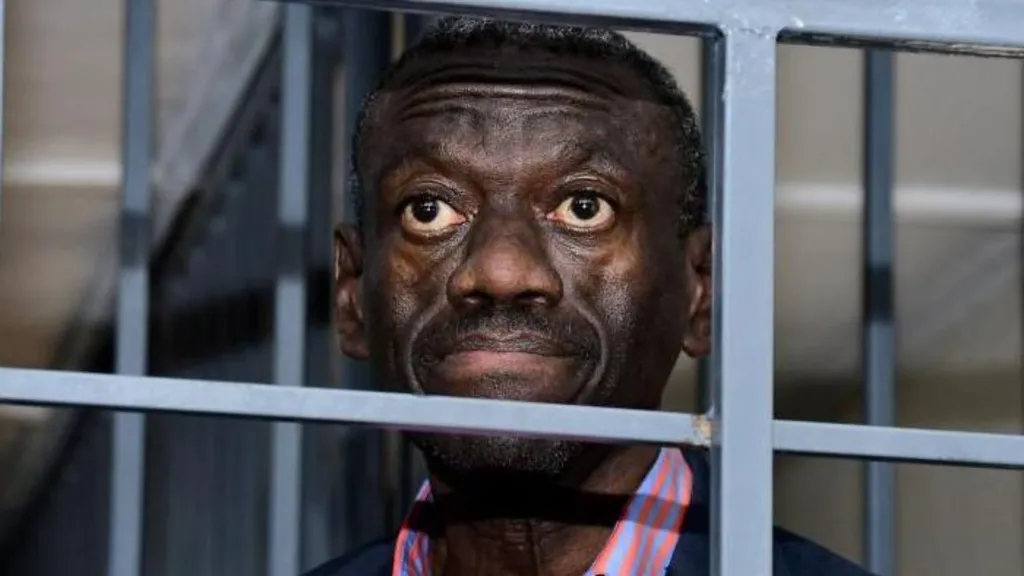
As tensions escalate, the Ugandan authorities have also cracked down on Wine’s supporters, with hundreds reportedly detained for their involvement in protests and alleged offenses during the election period. Among those arrested is Muwanga Kivumbi, a deputy in Wine’s National Unity Platform (NUP) party, who has been charged with terrorism following a violent incident in central Uganda.
The Ugandan police have also conducted a series of arrests related to the ongoing unrest, targeting individuals who have publicly supported Wine or been involved in protests against the election results. These actions have further exacerbated concerns about the government’s growing authoritarianism and its crackdown on political opposition.
The Growing Discontent and International Reaction
The international community, including human rights groups and foreign governments, has condemned the treatment of Bobi Wine and his supporters. The U.S. and European Union have expressed concerns about the fairness of the election and the continued repression of political opposition in Uganda. Calls for international pressure on the Ugandan government to release Wine and other political prisoners have increased, with many viewing his detention as part of a broader pattern of political persecution under Museveni’s rule.
Bobi Wine’s plight has garnered global attention, with international advocacy groups rallying behind his cause. However, the Ugandan government has remained resolute in its stance, and there is little sign that the pressure will result in a change in the country’s political landscape.
The Role of Bobi Wine’s Supporters
Despite the escalating risks, Bobi Wine continues to enjoy significant support among Uganda’s youth, particularly in urban centers where the promise of political change resonates most strongly. His campaign has highlighted issues such as corruption, unemployment, and the concentration of power within the ruling elite, which has continued for over four decades under Museveni.
Many Ugandans have expressed hope that Wine’s struggle for democracy will inspire broader reforms in the country. However, the military’s pursuit of Wine and the government’s crackdown on dissent have cast doubt on the prospects for political change, with many fearing that the regime will tighten its grip even further.
As the situation unfolds, the future of Uganda’s political opposition remains uncertain. Bobi Wine’s efforts to evade capture may serve as a symbol of defiance against the entrenched power of Museveni, but the ongoing repression and the government’s determination to neutralize its critics suggest that political reform will remain a difficult and dangerous path in Uganda.