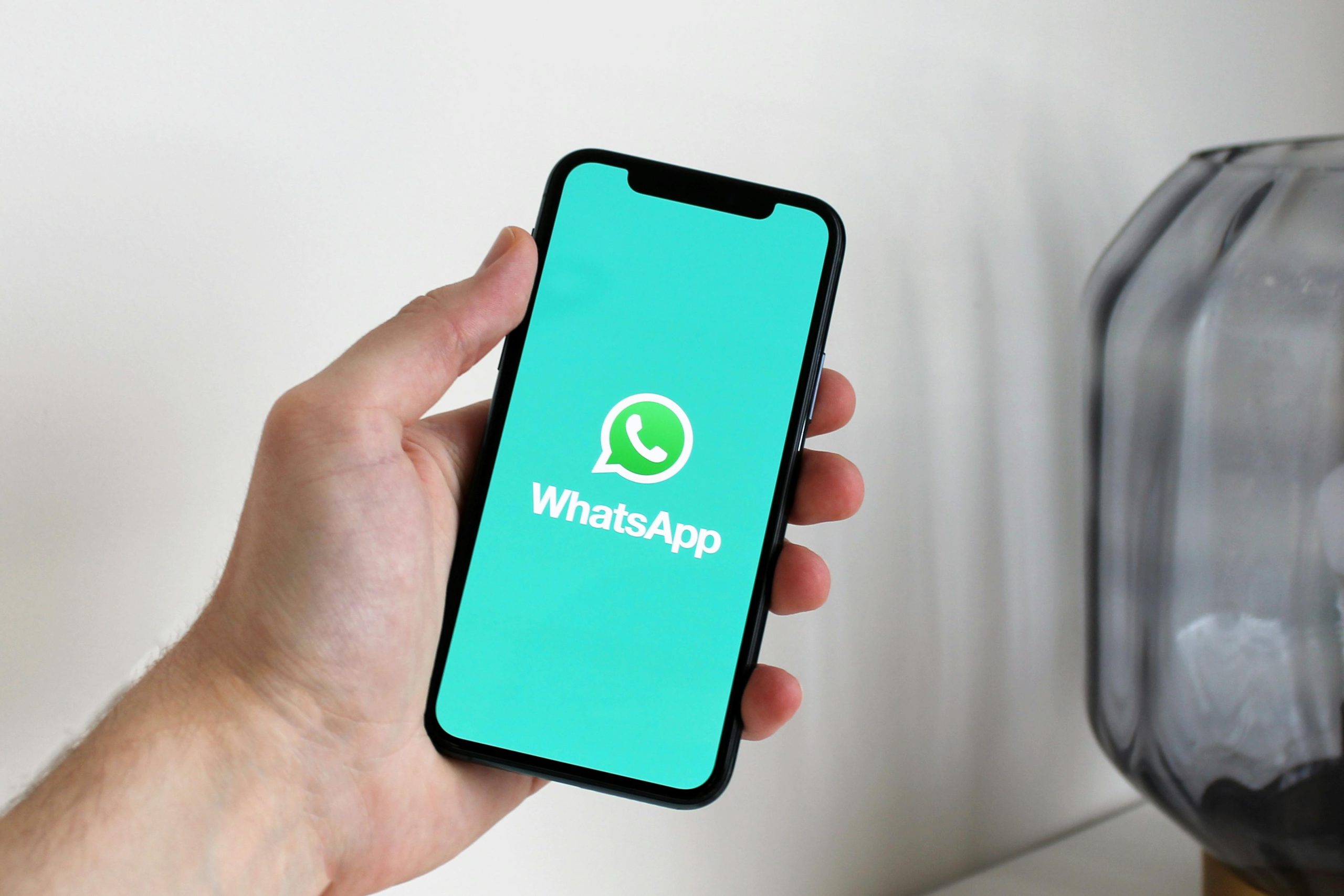
In an effort to offer stronger security against hackers, Meta’s WhatsApp messaging platform has launched a new high-security mode called “Strict Account Settings.” This feature is part of a broader trend among tech companies to provide additional protections for users who may be vulnerable to advanced cyberattacks. By rolling out this option, WhatsApp is joining other major technology companies, such as Apple and Alphabet, that have already introduced heightened security measures for high-risk individuals.
WhatsApp’s Latest Security Feature: “Strict Account Settings”
WhatsApp’s new security mode, which will be available to users starting on Tuesday, is designed to provide an extra layer of protection for those who are at increased risk of digital threats. The feature, easily accessible through a one-click button in the app’s settings, activates a set of defenses aimed at safeguarding users’ conversations from potential surveillance or cyberattacks.
Among the protections offered by the “Strict Account Settings” are:
- Blocking media and attachments from unknown senders.
- Disabling link previews, which are the thumbnails that automatically appear when a URL is shared in a chat.
- Silencing calls from unknown contacts, effectively preventing potential malicious calls from unidentified sources.
These measures address some of the common entry points for hackers and surveillance programs that target digital communication platforms. According to WhatsApp, while all users benefit from end-to-end encryption, certain individuals—such as journalists, activists, and public-facing figures—may require enhanced safeguards due to their susceptibility to highly sophisticated cyberattacks.
A Growing Trend in High-Security Tech Features
WhatsApp’s introduction of this new security feature aligns with similar efforts by other leading tech firms, marking a growing movement toward prioritizing user safety, particularly for those who face higher risks. Apple, for instance, launched its own security measure called “Lockdown Mode” in 2022. This optional feature, aimed at offering extreme protection for individuals targeted by advanced digital threats, disables most message attachments, link previews, and introduces restrictions on FaceTime calls and web browsing. Lockdown Mode is currently available on iPhone and macOS devices.
Similarly, Alphabet, the parent company of Google, introduced “Advanced Protection Mode” for Android users in 2023. This mode, like Apple’s Lockdown Mode, restricts some functionality in exchange for enhanced security. For example, it limits the types of apps that can be downloaded, blocking any potentially risky apps from sources outside the official Google Play Store.
These new features from WhatsApp, Apple, and Alphabet reflect a broader effort to provide tailored, heightened security measures for individuals who are particularly vulnerable to digital threats, including government dissidents, human rights activists, and journalists.
A Welcome Development for Civil Society
The introduction of WhatsApp’s high-security mode has been welcomed by experts in digital security, particularly those who focus on defending civil society figures from hacking. John Scott-Railton, a researcher at The Citizen Lab, a research group based at the University of Toronto, commended WhatsApp’s move. He emphasized that the new feature would help protect vulnerable individuals, such as activists and dissidents, who are often targeted by highly sophisticated cyberattacks.
Scott-Railton noted that WhatsApp’s latest security measure sets a positive precedent for other tech companies, encouraging them to improve their security features to meet the needs of high-risk users. The addition of this option marks a significant step forward in ensuring that individuals in sensitive positions can communicate more securely and privately without fear of digital surveillance or intrusion.
Why Is This Important for High-Risk Users?
The need for robust security features like WhatsApp’s “Strict Account Settings” has become increasingly important as digital threats continue to evolve. High-risk users, such as journalists investigating sensitive issues, activists fighting for human rights, or political dissidents challenging authoritarian regimes, are frequently targeted by hackers and governments seeking to monitor, control, or silence their voices.
The use of surveillance software and hacking tools to infiltrate devices and monitor communications has become widespread in many parts of the world. These tools can be used to monitor messaging apps like WhatsApp, often with the aim of gathering intelligence or suppressing dissent. By offering enhanced protections, WhatsApp is responding to the unique needs of these users, ensuring that they can continue their important work without the constant fear of digital threats.
The Bigger Picture: The Role of Tech Companies in User Protection
WhatsApp’s move to introduce a stricter security mode comes as part of a broader effort within the tech industry to address growing concerns about user privacy and digital surveillance. While end-to-end encryption has long been a hallmark of WhatsApp’s security infrastructure, the evolving landscape of cyber threats has made it clear that more targeted protections are necessary for certain groups of users.
The tech industry as a whole has a responsibility to provide users with the tools and resources they need to protect themselves from evolving cyber threats. As demonstrated by WhatsApp, Apple, and Alphabet, offering enhanced security features is one way companies can contribute to the safety and privacy of their users. However, as digital threats continue to advance, tech firms must remain vigilant and continue to improve their security measures to stay ahead of increasingly sophisticated hackers.
The Future of Digital Security for High-Risk Users
WhatsApp’s decision to roll out “Strict Account Settings” is a significant step in the right direction, but it is just one piece of the larger puzzle. As more users become aware of the risks they face online, particularly those in vulnerable or high-risk positions, the demand for more robust security features will only grow. Tech companies must continue to develop and refine their security offerings to ensure that all users, regardless of their profession or background, can enjoy a secure and private digital experience.
As more firms follow in WhatsApp’s footsteps, the hope is that high-risk users across the globe will have the tools they need to protect themselves from cyberattacks, surveillance, and digital harassment. In an increasingly connected world, ensuring the security and privacy of digital communications will remain a critical issue, and it is reassuring to see major tech companies prioritizing user protection.