Uganda heads into a tense presidential election as Yoweri Museveni seeks to extend his nearly four-decade rule into a fifth decade. Voting takes place under heavy security and nationwide internet restrictions following a campaign marked by violence, arrests, and accusations of repression.
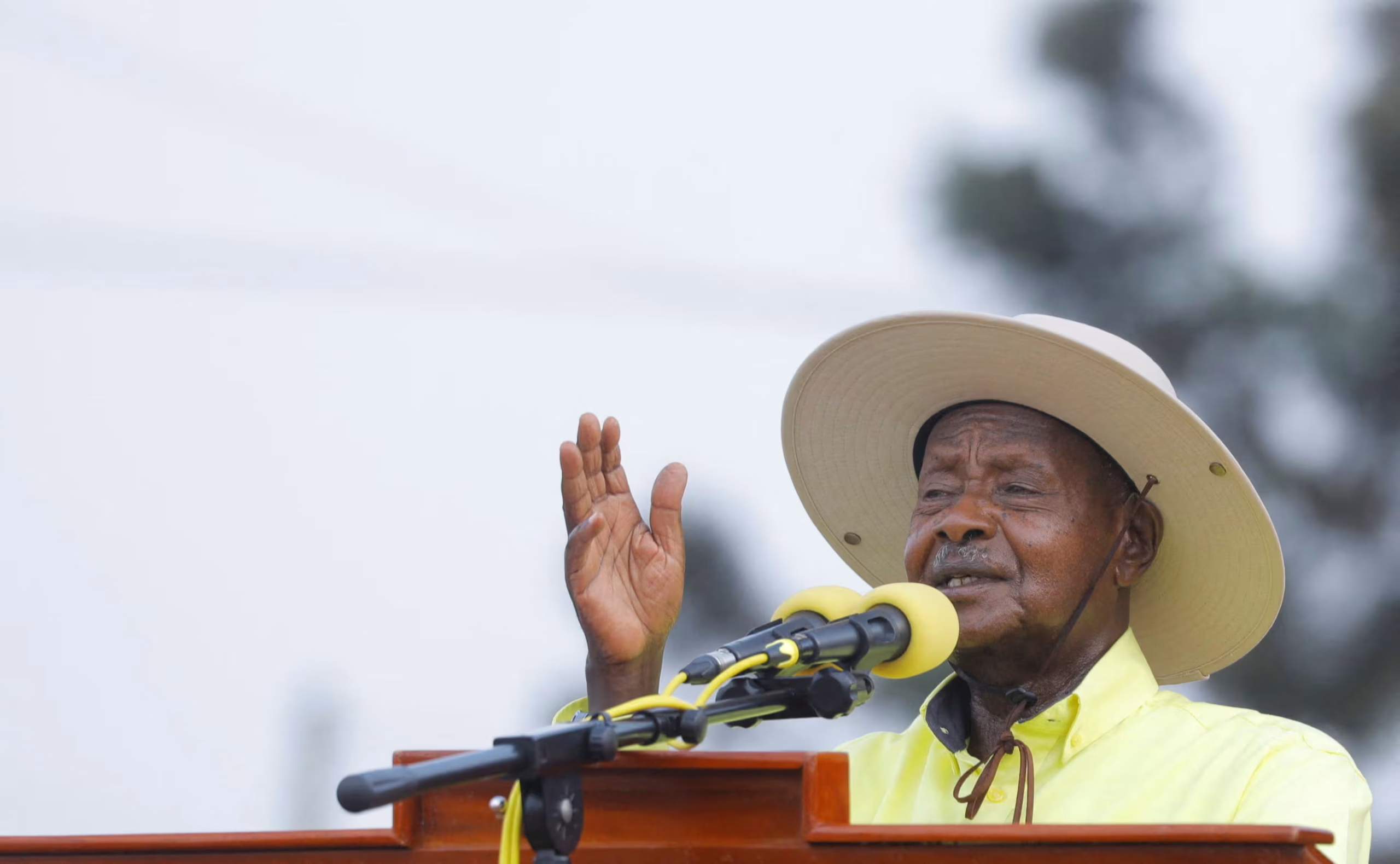
At 81, Museveni remains the dominant figure in Ugandan politics. He is widely expected to defeat his main challenger, pop star-turned-opposition leader Robert Kyagulanyi, better known as Bobi Wine. Yet the election represents more than a routine contest. It has become a test of Museveni’s political durability and his ability to prevent unrest similar to that seen in neighboring Kenya and Tanzania in recent years.
Polling Under Tight Security and Digital Restrictions
Polling stations opened across the country amid a visible security clampdown. Armed police and military units deployed across the capital Kampala, guarding major roads and polling centers.
Authorities also imposed nationwide internet and mobile data restrictions days before voting. Officials said the move aimed to curb misinformation and prevent electoral violence. Critics argue that the blackout limits transparency and obstructs election monitoring at a critical moment.
The UN Human Rights Office warned that open access to information is essential for free and genuine elections. It stressed that all Ugandans must be able to participate in shaping their political future without fear.
Museveni’s Campaign of Continuity
Museveni has campaigned on a platform he describes as “protecting the gains.” He portrays himself as the guarantor of stability, peace, and economic progress after decades of rule.
His message emphasizes continuity at a time of regional instability. Museveni has pledged to lift Uganda into middle-income status and pointed to expected economic growth from the start of oil production later this year.
Supporters credit him with maintaining national cohesion and steering Uganda through turbulent regional politics. Critics counter that stability has come at the cost of democratic freedoms.
Bobi Wine and the Youth Vote
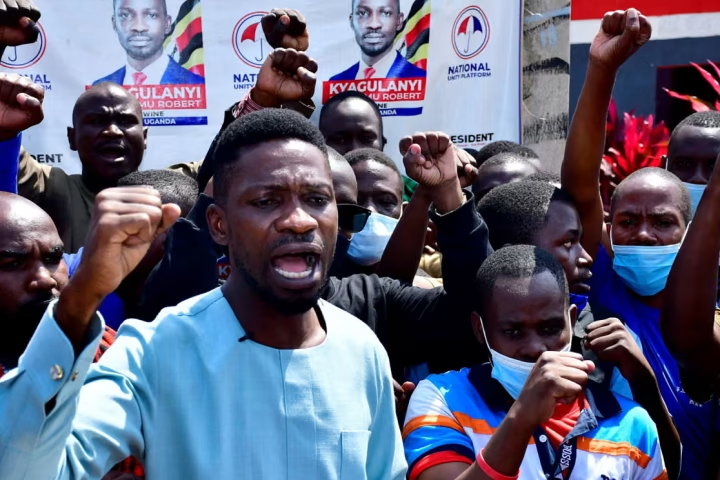
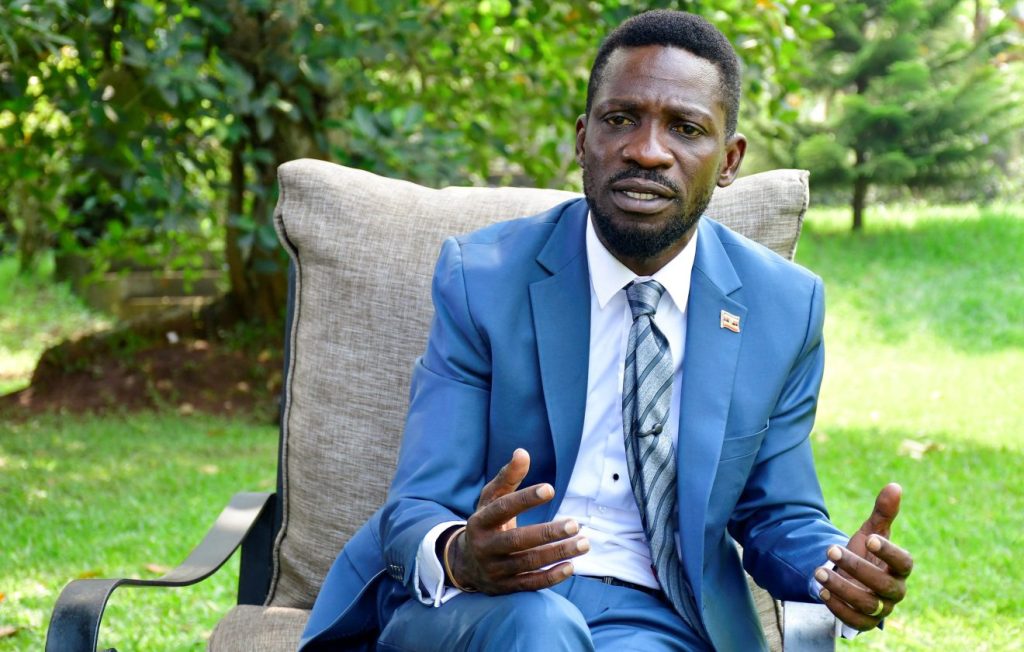
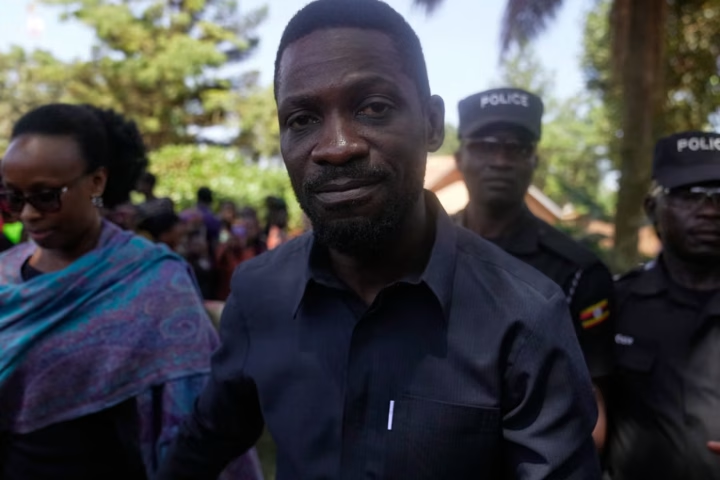
Bobi Wine has mobilized Uganda’s youthful population, more than 70 percent of whom are under 30. Nicknamed the “Ghetto President,” he has framed the election as a struggle against authoritarian rule.
His campaign appeals to voters frustrated by unemployment, inflation, and limited economic opportunity. Uganda’s population is among the youngest in the world, with a median age just over 16.
Wine accuses Museveni of entrenching a system that benefits political elites while sidelining young people. His message resonates strongly in urban areas, even as his campaign faces constant disruption.
Violence, Arrests, and Repression
The campaign period has been marred by repeated confrontations between security forces and opposition supporters. Soldiers and police have fired live ammunition at opposition rallies, killing at least one person and arresting hundreds of Wine’s supporters.
Authorities defend these actions as necessary to maintain order. Opposition figures say the state uses force to intimidate voters and suppress dissent.
Human rights organizations describe a pattern of repression that extends beyond campaign rallies. Journalists, activists, and civic groups report harassment, arrests, and surveillance.
The UN Human Rights Office warned that the elections are taking place amid “widespread repression and intimidation,” raising doubts about the credibility of the process.
Museveni’s Grip on Power
Museveni came to power in 1986 after leading a successful armed rebellion. Over the years, he has consolidated authority by reshaping Uganda’s political system.
He has amended the constitution twice to remove presidential term limits and age limits. His control over state institutions, the ruling National Resistance Movement (NRM), and the security forces makes an electoral upset highly unlikely, analysts say.
Africa now counts Museveni among its longest-serving leaders. His dominance has brought predictability, but it has also delayed political renewal.
A Strategic Partner of the West
Despite allegations of human rights abuses and flawed elections, Museveni remains a key strategic partner for Western governments.
Uganda plays a central role in regional security. It has deployed troops to Somalia and other conflict zones and hosts millions of refugees from neighboring countries.
Economic prospects have further strengthened Museveni’s international standing. Oil production led by TotalEnergies and CNOOC is expected to drive rapid growth once production begins later this year.
These strategic interests have often tempered international criticism of Museveni’s domestic policies.
Muted International Scrutiny
In 2021, the United States denounced Museveni’s re-election as neither free nor fair. Security forces killed more than 50 opposition supporters in the lead-up to that vote.
This time, strong public criticism from Washington appears unlikely. U.S. diplomats received instructions last year to avoid public commentary on the integrity of foreign elections.
The shift has reduced external pressure on Kampala, even as rights groups report renewed abuses.
Succession Looms Large
Beyond the immediate vote, the election has sharpened focus on presidential succession. Museveni is widely believed to favor his son, Muhoozi Kainerugaba, the current military chief, though he denies grooming him as a successor.
Kainerugaba has openly expressed presidential ambitions and is known for incendiary social media statements, including threats against opposition figures.
Analysts note that his presumed succession faces resistance within the ruling party. Elite rivalries could intensify once Museveni eventually exits the political stage.
A Fragile Stability
While Museveni is likely to secure another term, the election highlights a deeper dilemma. Uganda’s stability has become increasingly tied to the longevity of one leader.
Each extension of Museveni’s rule delays an inevitable transition. That delay amplifies uncertainty rather than resolving it.
In the short term, repression and control may contain unrest. Over the longer term, unresolved succession questions combined with a youthful, economically strained population pose serious risks to Uganda’s post-Museveni future.
At this crossroads, stability may not represent permanence. Instead, it may reflect a carefully managed pause before a far more uncertain political reckoning.