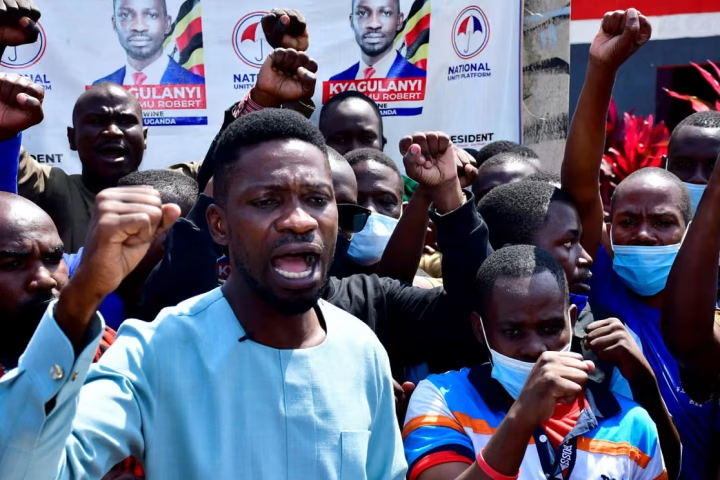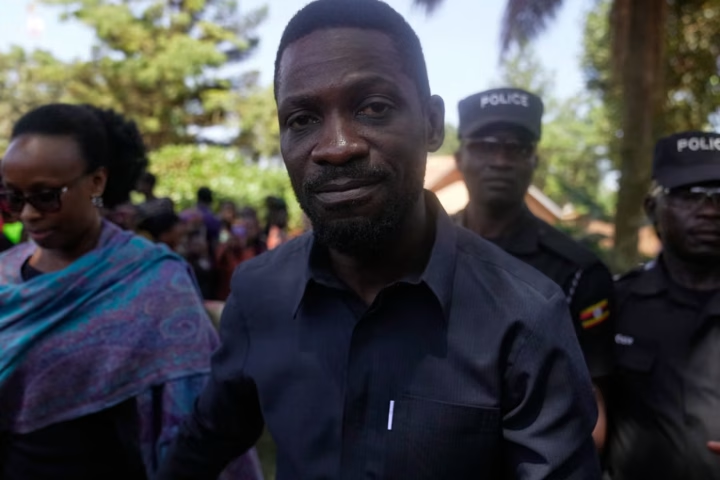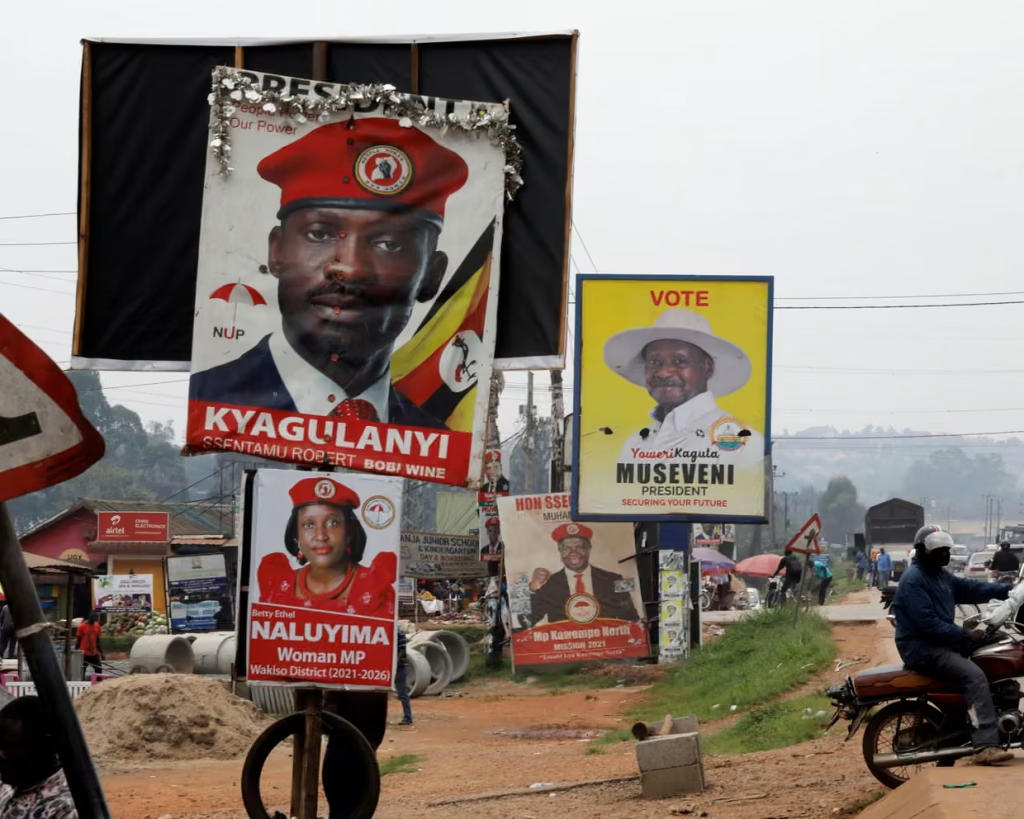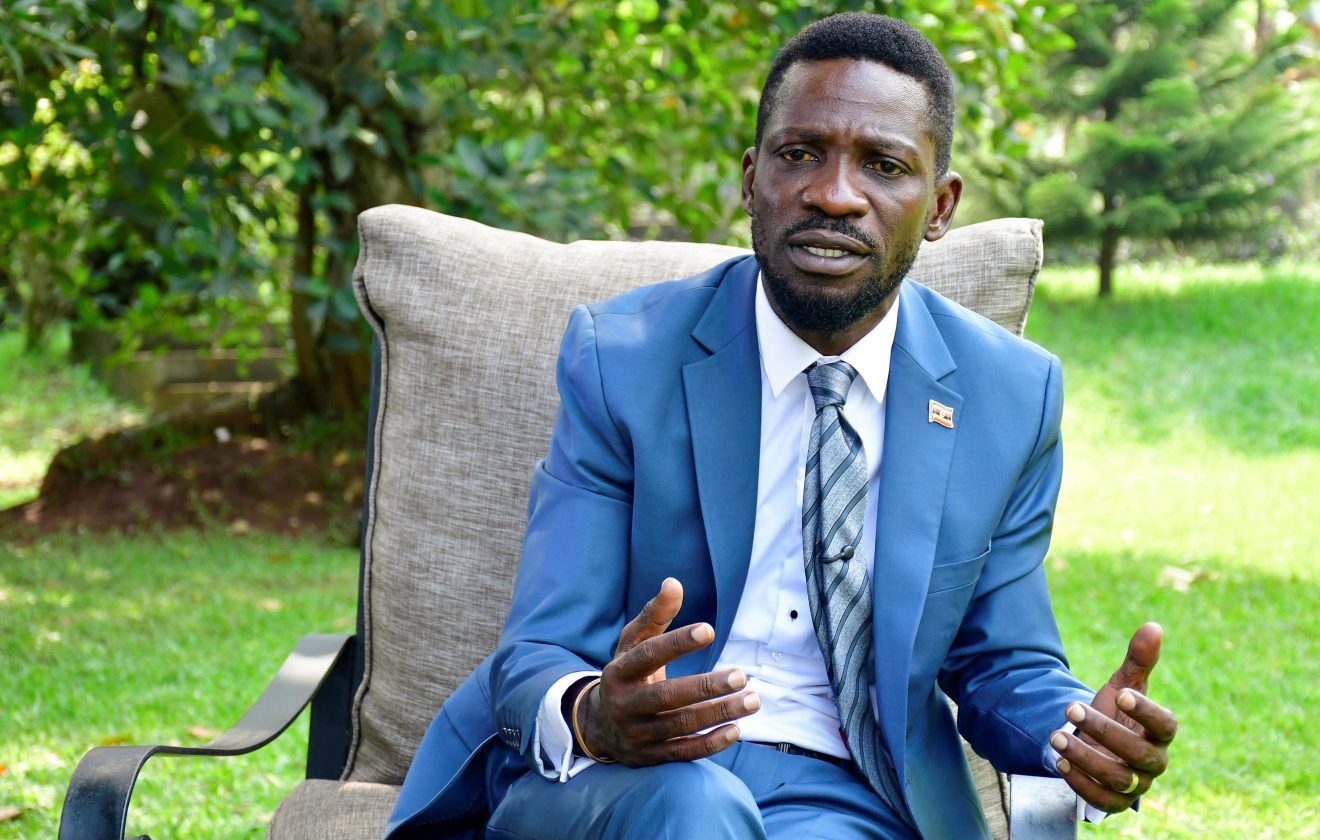
Uganda approaches one of its most tightly controlled elections in decades as opposition leader Robert Kyagulanyi, popularly known as Bobi Wine, urges supporters to “protect the vote” amid fears of violence, arrests, and post-election repression. The call reflects growing anxiety that the contest will not hinge on ballots alone, but on whether citizens can safely observe and defend the process.
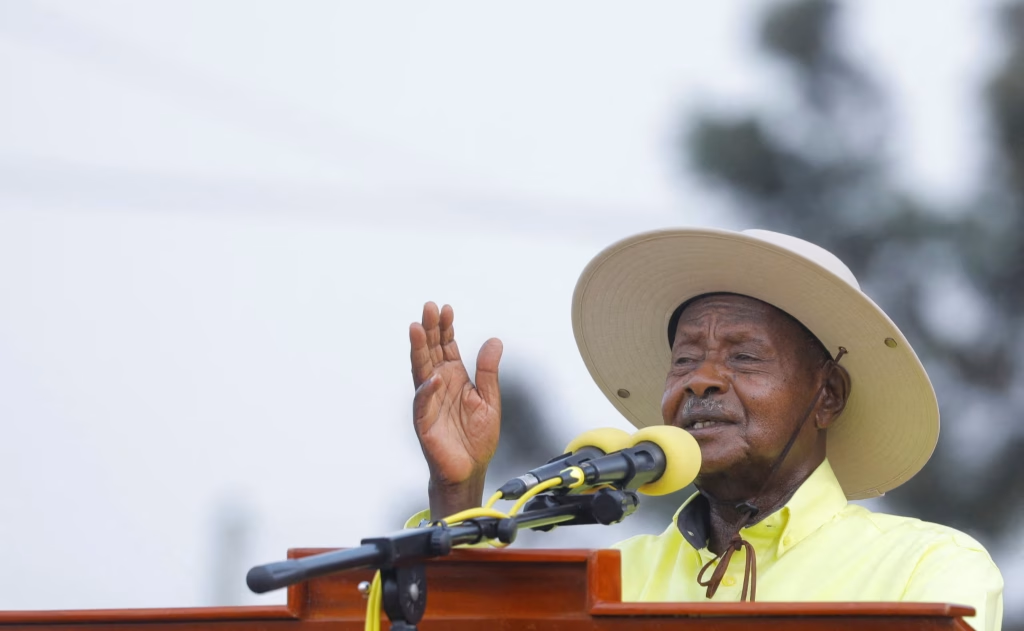
President Yoweri Museveni, in power since 1986, is seeking another term. While Museveni is widely expected to prevail, the election has become a test of how far the opposition can mobilise under pressure, and how forcefully the state is willing to respond.
From Hopeful Campaign to Militarised Reality
When Bobi Wine launched his campaign in October, he projected optimism. Dressed in tailored suits, he greeted supporters with confidence and promised peaceful change. The early weeks carried a sense of cautious possibility, particularly among young voters eager for political renewal.
By December, that image had vanished. Bobi Wine now appears in public wearing a bulletproof vest and helmet. For many Ugandans, the transformation symbolises the narrowing space for opposition politics. It also reflects the level of force deployed against his campaign.
Campaign convoys have repeatedly encountered roadblocks, tear gas, and mass arrests. Events often end abruptly as security forces disperse crowds and seal off streets.
A Campaign Defined by Controlled Repression
Unlike the chaotic violence of the 2021 election period, analysts describe the current crackdown as more deliberate. Security agencies have limited large-scale unrest while steadily constraining opposition activity.
During a December campaign stop in Gulu, northern Uganda, Bobi Wine and his aides were attacked by security forces and plainclothes individuals armed with sticks. Equipment was destroyed. One person later died from injuries sustained during the confrontation.
In Mbarara, police arrested 43 opposition supporters during a dispute over campaign routes. Many remain in detention.
According to political analysts, the repression has not diminished. It has simply become more calculated.
Threats From the Centre of Power
Fear surrounding the election intensified after public threats from Museveni’s son, Muhoozi Kainerugaba, the army commander. In the months before the campaign, Kainerugaba made social media posts threatening Bobi Wine, including remarks about beheading him.
He also claimed responsibility for the abduction and torture of Bobi Wine’s bodyguard, Edward Ssebuufu, who remains detained.
Although the most extreme threats did not materialise, opposition figures say they set the tone for a campaign in which violence became normalised.
Parliamentary Pressure and Political Defections
The crackdown has extended beyond the presidential race. Candidates affiliated with Bobi Wine’s National Unity Platform (NUP) in parliamentary contests have faced intense pressure.
Several NUP-backed candidates have withdrawn from races, publicly denounced Bobi Wine, and joined the ruling party. Most defections occurred outside central Uganda, the opposition’s main stronghold.
Bobi Wine alleges bribery. The state insists the candidates defected voluntarily. Analysts describe the process as transactional politics, a longstanding feature of Uganda’s political system, but unusually organised this time.
Electoral Commission as a Battleground
The Electoral Commission has also played a decisive role. It disqualified several opposition-aligned parliamentary candidates, citing technical nomination failures.
Critics argue the disqualifications lack legal basis and aim to create unopposed ruling-party candidates. Constitutional lawyers say the commission then obstructed appeals by delaying formal communication of decisions.
These procedural battles have further limited opposition participation at grassroots level.
Money Politics and the Soft Offensive
Alongside coercion, the state has deployed economic incentives. In central Uganda, Museveni distributed cash to informal-sector groups, including boda boda riders, taxi drivers, salon workers, and street vendors.
Supporters frame the payments as poverty alleviation. Critics describe them as organised vote-buying.
Historians and political analysts note that patronage has long shaped Ugandan elections. What distinguishes this cycle is its scale and precision.
Fear of Election Day and Beyond
As voting approaches, Bobi Wine has warned supporters of plans to arrest him and abduct key organisers involved in monitoring polling stations.
He advised followers to disable phone location services, vary travel routes, and flee if followed by unfamiliar vehicles, particularly Toyota Hiace vans, widely associated with state abductions.
Another flashpoint is Bobi Wine’s call for voters to remain near polling stations after voting to “protect the vote.” Ugandan law permits voters to stay at least 20 metres away, but the Electoral Commission and security agencies have urged people to leave immediately.
Officials frame the issue as maintaining discipline. Opposition figures see an attempt to prevent public scrutiny of counting.
A Public That Wants Peace
Despite elite tensions, many ordinary Ugandans say they fear violence more than political loss.
In Kampala, voters across political lines say unrest would devastate livelihoods. Memories of the 2020–2021 violence, when more than 50 people were killed, remain fresh.
Supporters of both Museveni and Bobi Wine express fatigue with conflict. Business owners worry about shutdowns. Casual workers fear losing income.
Peace, for many, has become the overriding demand.
The Likely Endgame
Bobi Wine’s camp has not outlined a clear post-election strategy. Museveni, meanwhile, has issued blunt warnings.
He has cautioned opposition supporters against confronting security forces, emphasising the firepower at the state’s disposal. Military vehicles already patrol opposition-leaning neighbourhoods.
Analysts predict a familiar pattern. The Electoral Commission will declare Museveni the winner. Bobi Wine will reject the result. He will likely be placed under house arrest, a tactic used repeatedly since 2011.
Large-scale protests appear unlikely under current conditions.
Beyond Winning or Losing
Some analysts argue that Bobi Wine’s campaign is no longer about unseating Museveni. Instead, it aims to consolidate opposition strength, retain parliamentary seats, and survive within a tightly controlled system.
Under this view, the election serves to position the opposition for a post-Museveni future rather than deliver immediate victory.
Whether that future arrives through succession, elite fragmentation, or a sudden crisis remains uncertain.
A Vote Under Constraint
As Ugandans cast their ballots, the election reveals less about voter preference than about the boundaries of political action in modern Uganda.
The call to “protect the vote” reflects both courage and constraint. It signals determination, but also an awareness that ballots alone may not decide the outcome.
In this election, power does not merely count votes. It manages fear, controls space, and sets the limits of dissent. The result may feel foregone, but the political struggle it exposes is far from over.