Uganda’s presidential election has begun under tense circumstances, with fears of violence, widespread internet censorship, and a severe crackdown on political opposition. The election, held on Thursday, is shaping up to be one of the most contentious in the country’s history as President Yoweri Museveni seeks to extend his nearly four-decade-long rule.
As polling stations opened, the streets of Uganda’s cities and towns were filled with heavy police and military presence, signaling the government’s determination to maintain control. However, concerns regarding the fairness of the election have escalated, fueled by reports of internet censorship, polling station delays, and government tactics aimed at limiting opposition activity.
Internet Shutdown Raises Questions Over Electoral Integrity
In a move that has drawn sharp criticism from domestic and international observers, the Ugandan government imposed an internet shutdown on Tuesday evening, two days before the election. This decision, enforced by the Uganda Communications Commission (UCC), has disrupted essential communication services, including banking and media reporting.
The government has justified the shutdown by claiming it was necessary to curb misinformation, electoral fraud, and incitement of violence. However, critics argue that the blackout is designed to limit transparency and prevent independent election monitoring. Human rights organizations and the United Nations have condemned the move, stressing that “open access to communication and information is key to free and genuine elections,” as stated by the UN Human Rights Office.
Polling Delays and Security Forces on High Alert
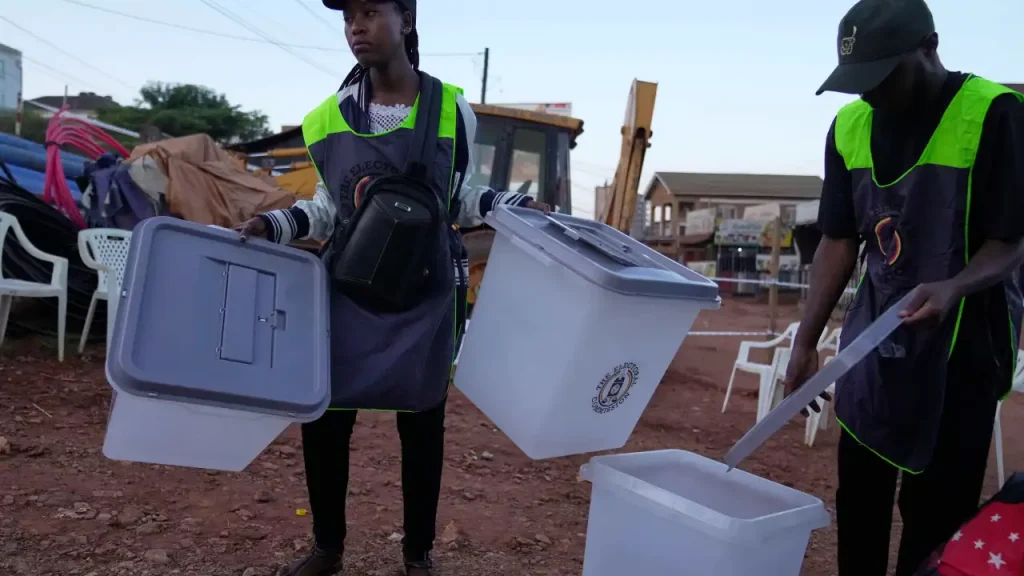
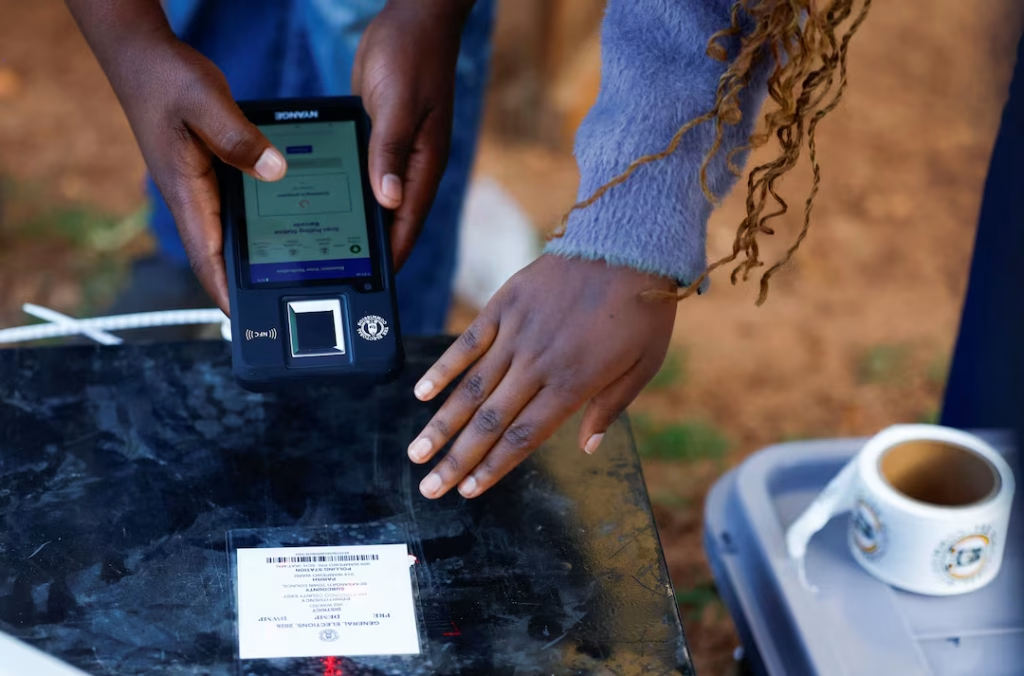
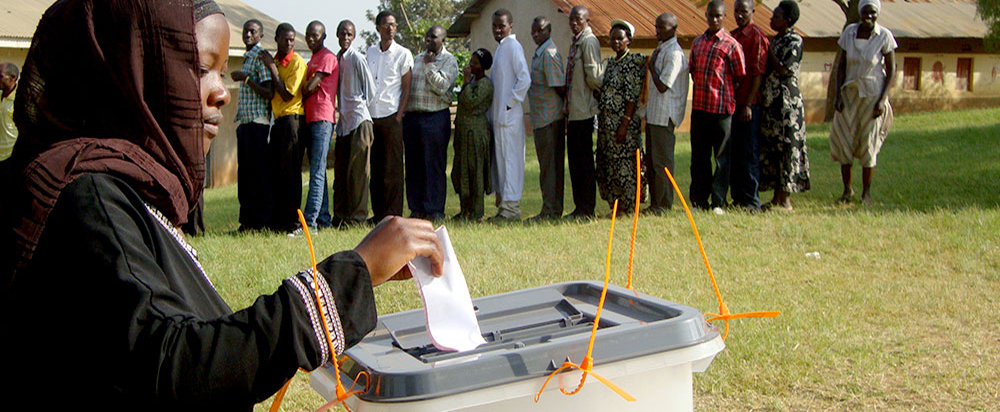
Despite the early start time of 7 a.m., many polling stations experienced significant delays in opening, which frustrated voters who had arrived early in anticipation of casting their ballots. Election materials, including ballot papers and voting equipment, reportedly arrived late at multiple stations. In some areas, polling did not begin until well after 7 a.m.
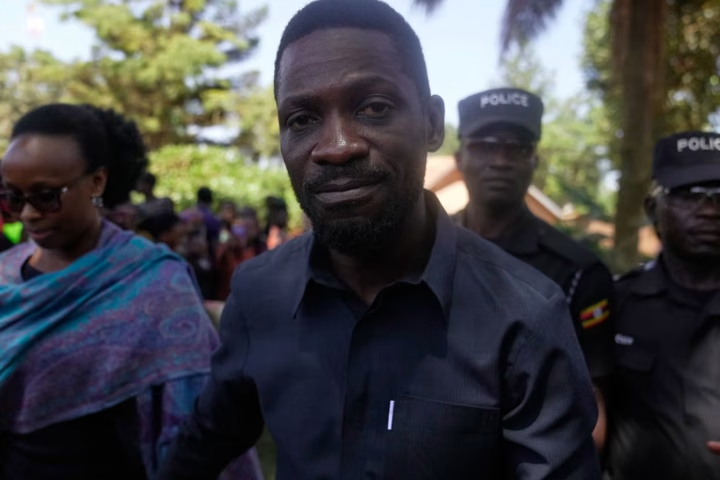
In urban centers like Kampala, Jinja, and Wakiso, long lines of voters formed outside stations, with many anxious about missing out on voting due to logistical challenges. The presence of police and military personnel was notably heavy, with soldiers patrolling key areas and controlling crowd movement. While the security presence was justified as a measure to maintain order, many voters described it as intimidating.
A Youthful Electorate and Economic Frustration
This election is especially significant for Uganda’s large youth population. Approximately 70% of Uganda’s population is under 35 years old, and many young voters are casting ballots for the first time. Among the primary concerns for these young voters are high unemployment and limited economic opportunities.
Despite Uganda’s steady economic growth in recent years, youth unemployment remains a pressing issue, with many young Ugandans struggling to find jobs in a competitive market. This disillusionment with the economy has fueled support for opposition candidate Bobi Wine, a former pop star-turned-politician, who has become the face of the youth-driven political change movement.
Museveni Faces Strong Opposition in Bobi Wine
President Museveni, 81, is seeking a sixth term in office, a position he has held since 1986. His rule has been marked by both stability and widespread criticism. While Museveni’s supporters credit him with economic development and maintaining national security, critics argue that his government has restricted democratic freedoms and curbed political opposition.
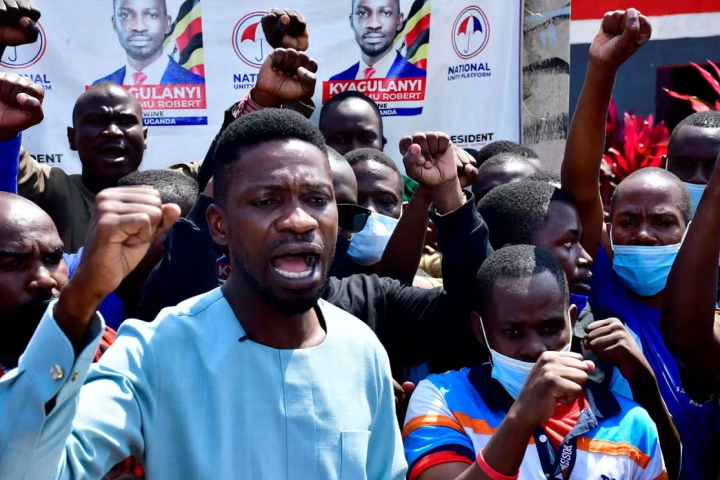
His main challenger in this election is Robert Kyagulanyi, better known as Bobi Wine. Kyagulanyi’s rise to political prominence has been rapid, especially among younger Ugandans who are disillusioned by the long reign of Museveni. Bobi Wine’s campaign has focused on political reform, democracy, and social justice, resonating with those frustrated by the government’s failure to address widespread corruption and unemployment.
However, Kyagulanyi’s campaign has faced repeated interference. Rallies have been disrupted by security forces, and opposition leaders have been arrested or harassed in the lead-up to the election. Bobi Wine, who has compared Museveni’s leadership to military dictatorship, described the election as a “war” and warned that the government would attempt to rig the vote.
A History of Crackdowns on Political Dissent
Museveni’s government has long been accused of stifling dissent through arrests, media censorship, and intimidation of opposition figures. Over the past few years, there has been a marked increase in repression, with several opposition leaders detained under unclear circumstances. The most notable case is Kizza Besigye, a veteran opposition leader who has been arrested multiple times in the past for challenging Museveni’s leadership. Besigye has not been allowed to participate in the 2026 election after being charged with treason earlier in 2025.
Human rights organizations, including Amnesty International, have accused Uganda’s government of using violence and intimidation to suppress the opposition. A particularly brutal crackdown occurred in November 2021, when security forces fired on protesters following Museveni’s disputed election victory.
Fears of Election Violence and Electoral Fraud
As Uganda heads into the final hours of voting, fears of violence remain high. The local Daily Monitor published a guide advising citizens to “election-proof” their homes, recommending reinforcement of doors and windows, and preparing a safe room in case of unrest.
There are also widespread fears that election fraud will be used to ensure Museveni’s victory. These concerns have been heightened by reports of ballot-stuffing, voter intimidation, and allegations of military involvement in the electoral process. Bobi Wine and his supporters have repeatedly warned of attempts to steal the election through rigging.
The presence of heavily armed security forces across the country has contributed to an atmosphere of fear. Opposition groups have also voiced concerns that voter turnout may be suppressed through intimidation or violence at polling stations.
The International Response and Calls for Transparency
The international community is closely monitoring the situation in Uganda. The European Union, United States, and other Western powers have expressed concern over the fairness of the election process, urging Ugandan authorities to respect human rights and ensure a free and transparent voting process.
In addition, the UN Human Rights Office has been vocal in its criticism of the current electoral conditions, highlighting the widespread repression of political opponents and the press. The office has called for the immediate restoration of internet access to allow Ugandans to freely communicate and access information during the election.
A Pivotal Moment for Uganda’s Future
As Uganda holds its presidential election, the stakes are incredibly high. With the internet shutdown, ongoing violence, and fears of election fraud, this election represents a critical test of Uganda’s democratic maturity. Will the country continue to be dominated by Museveni’s leadership, or will this be a turning point for political change?
With more than 21.6 million Ugandans registered to vote, this election is a defining moment in the country’s political future. How the government handles this election—especially in the face of widespread concerns about repression and fraud—will shape Uganda’s democracy for years to come.