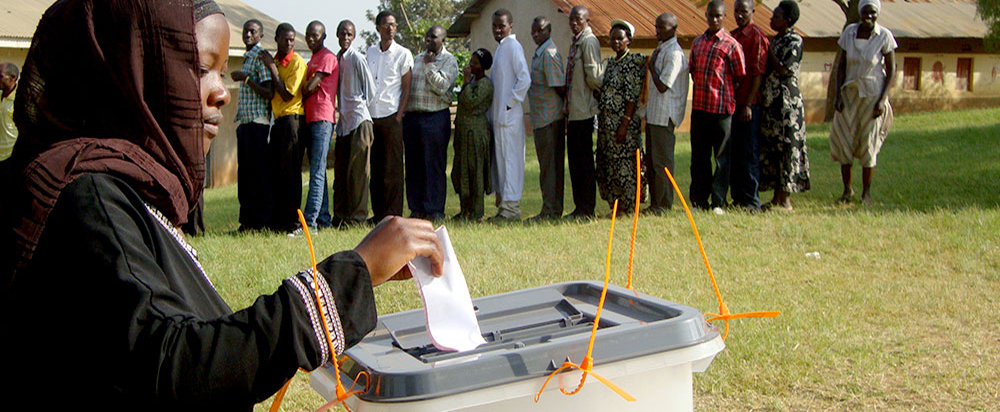
Voting began on Thursday in Uganda’s presidential election amid a nationwide internet shutdown and widespread delays at polling stations. The developments immediately raised concerns about transparency and voter access on one of the country’s most consequential political days.
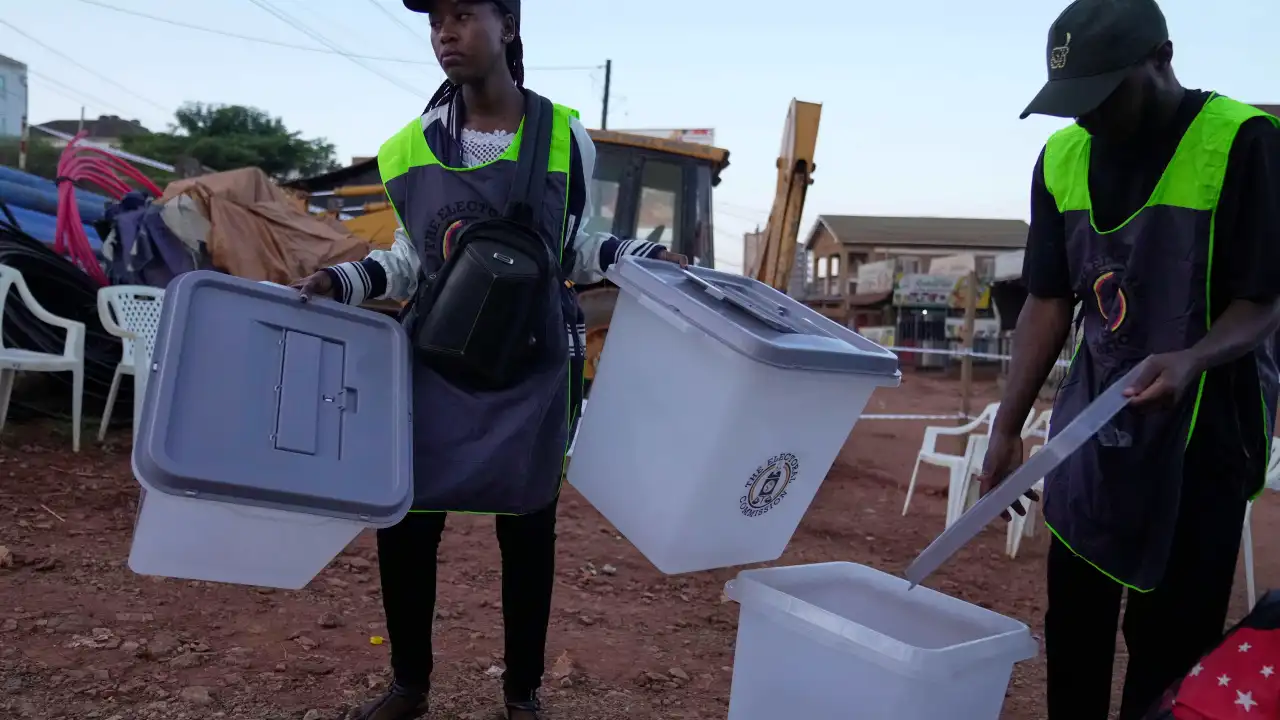
In several districts, polling stations failed to open on time. Election materials arrived late, despite the official 7 a.m. start. As a result, long queues formed early in the morning, especially in urban centers.
In the capital, Kampala, frustrated voters gathered outside polling stations. Many expressed anger over hours of waiting with little explanation from election officials.
Voter Frustration Grows at Polling Stations
Delays tested the patience of voters and election agents alike. Some voters complained that the late start disrupted their work schedules and daily responsibilities.
Umaru Mutyaba, a polling agent for a parliamentary candidate, described the situation as unacceptable. He said voters should not wait endlessly to exercise their rights. According to him, the delays showed poor planning by electoral authorities.
Similar scenes unfolded in other parts of the country. In some areas, officials delivered ballot boxes and voting kits well after the scheduled opening time.
Museveni Seeks Another Term After Decades in Power
President Yoweri Museveni, now 81, is seeking another term in office. He has ruled Uganda since 1986, making him one of Africa’s longest-serving leaders.
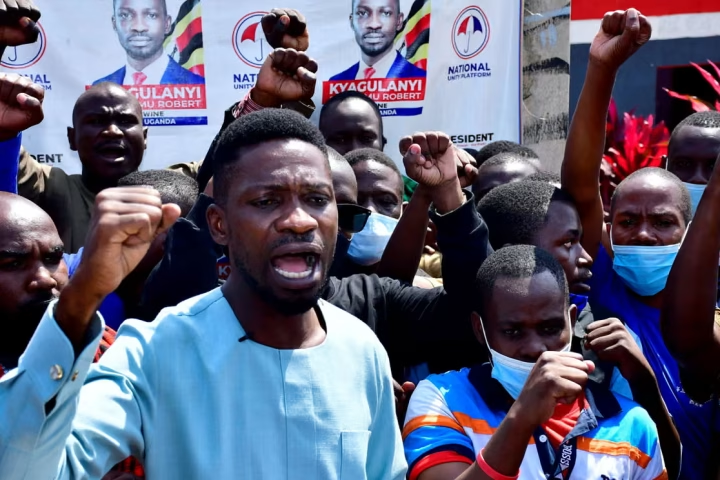
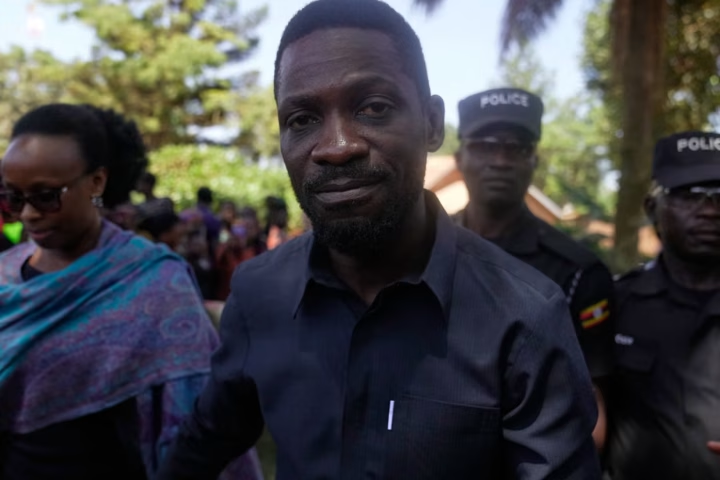
Museveni faces seven challengers in the race. His strongest opponent is Robert Kyagulanyi, popularly known as Bobi Wine. Kyagulanyi, a musician-turned-politician, has mobilized strong support among young voters demanding political change.
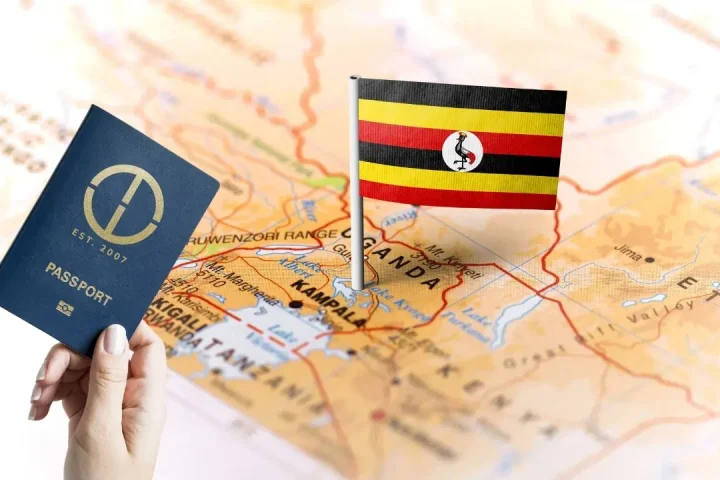
Uganda has an estimated population of 45 million people. The electoral commission lists 21.6 million registered voters.
Polling Timelines and Legal Requirements
The national electoral commission said polling stations would close at 4 p.m. Officials also confirmed that the constitution requires results to be announced within 48 hours.
However, early logistical failures raised doubts about whether voting would proceed smoothly nationwide. Observers warned that delays could suppress turnout, especially in densely populated areas.
The electoral commission chairperson, Simon Byabakama, called for calm. He urged Ugandans to respect one another regardless of political affiliation and to maintain peace throughout the voting process.
Internet Shutdown Sparks Democratic Concerns
The government shut down Uganda’s internet on Tuesday, two days before the vote. The national communications agency said the move aimed to prevent misinformation, electoral fraud, and incitement.
Critics strongly disagreed. Opposition leaders and civil society groups described the blackout as an anti-democratic tactic. They argued that it limits transparency and blocks real-time election monitoring.
The shutdown disrupted essential services across the country. Banks, mobile money platforms, and online businesses reported interruptions. Many Ugandans struggled to access basic financial services during the blackout.
Heavy Security Presence Raises Tensions
Security forces maintained a strong presence across major cities and towns. Military units patrolled streets and guarded key intersections in the days leading up to the vote.
Human rights groups warned that the security deployment created fear among voters. Amnesty International accused security forces of carrying out a campaign of repression during the election period.
The group cited a November opposition rally in eastern Uganda. During that event, soldiers reportedly blocked exits and fired on supporters. One person died during the incident.
Campaign Restrictions and Civic Space Shrinks
Authorities suspended the activities of several civic organizations during the campaign season. The government claimed these groups threatened national security.
That Group, a well-known media watchdog, closed its offices on Wednesday. The interior ministry accused the organization of engaging in activities that violated Uganda’s laws.
Opposition leaders argued that the closures further weakened civic space. They said the government targeted independent voices during a critical democratic process.
Opposition Leader Besigye Remains Detained
Veteran opposition politician Kizza Besigye remains in prison. Authorities charged him with treason in February 2025.
Besigye has contested the presidency four times. His continued detention has angered opposition supporters and raised concerns about political repression.
Many Ugandans view his imprisonment as evidence of a deeply uneven political field.
A Defining Moment for Uganda’s Democracy
As voting continues, both domestic and international observers are watching closely. Polling delays, the internet shutdown, heavy security, and opposition detentions have placed Uganda’s democratic credentials under scrutiny.
For many voters, this election represents more than a leadership choice. It reflects a broader struggle over political freedoms, accountability, and the country’s future direction.
The coming hours, including vote counting and results announcements, will shape Uganda’s political landscape for years to come.