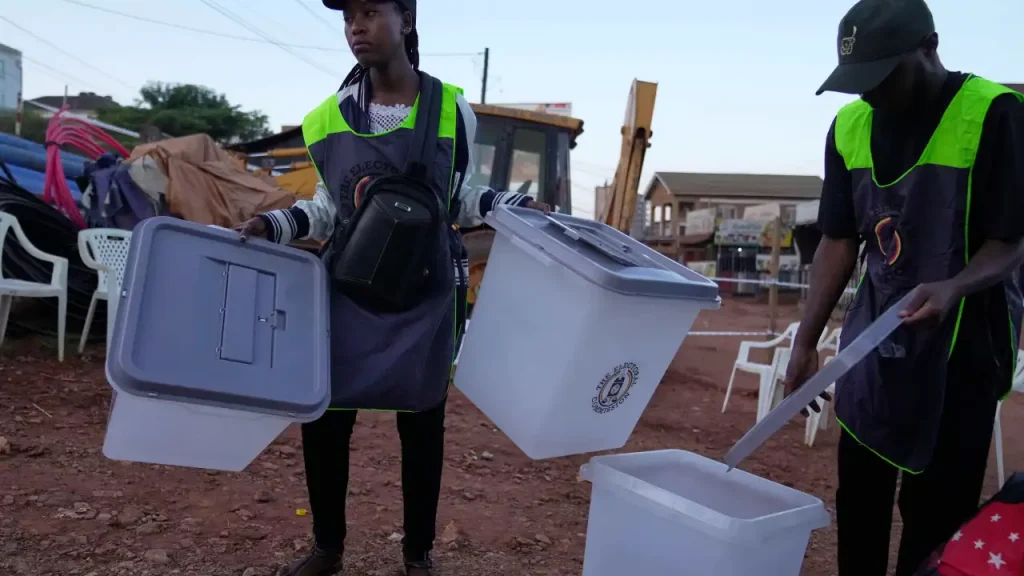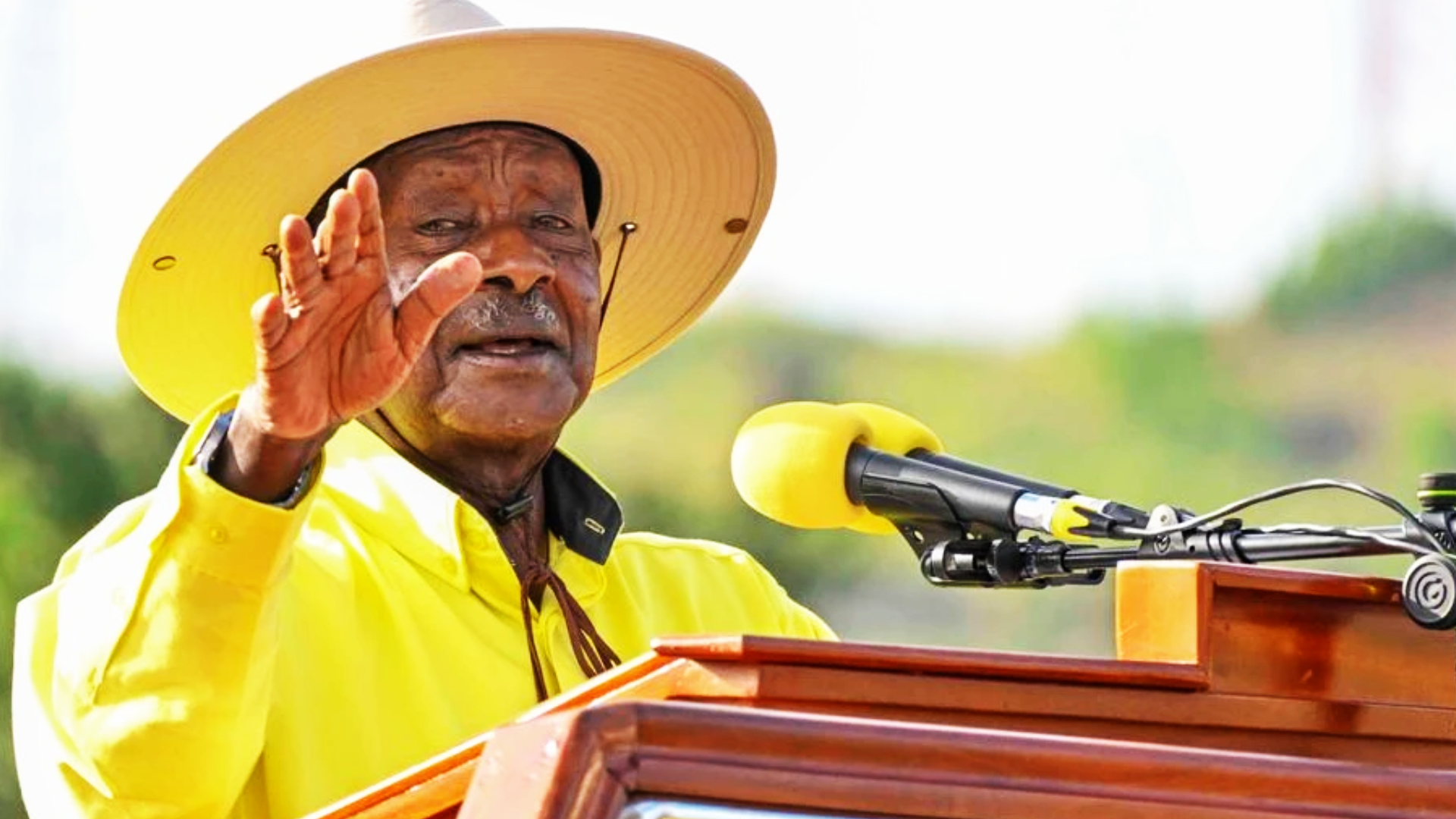
Uganda heads into the January 15, 2026 presidential election with a familiar outcome widely expected. President Yoweri Museveni is almost certain to be declared the winner. Yet beneath that expectation lies a political environment that has changed significantly since his last victory in 2021.
Five years ago, repression, an internet shutdown, and allegations of vote manipulation shaped the election. Museveni secured a sixth term amid controversy. Today, similar conditions persist. However, opposition politics, succession debates, and internal ruling-party dynamics have evolved in ways that could shape Uganda’s future beyond this vote.
Continuity in Power and Control
Museveni has ruled Uganda since 1986. Over nearly four decades, he has built a political system that blends electoral competition with tight state control. Security forces, state institutions, and the ruling National Resistance Movement remain firmly aligned with his leadership.
Two constitutional amendments enabled Museveni to stay in power. Parliament removed term limits and later scrapped age limits. These changes cleared the path for repeated re-election bids, despite Museveni’s past criticism of African leaders who cling to office.
As in previous elections, repression remains a central feature. Security agencies continue to disrupt opposition activities. Arrests, intimidation, and surveillance have become routine tools during campaign periods. These tactics make a competitive and fair election difficult to imagine.
Bobi Wine Still Defines the Opposition
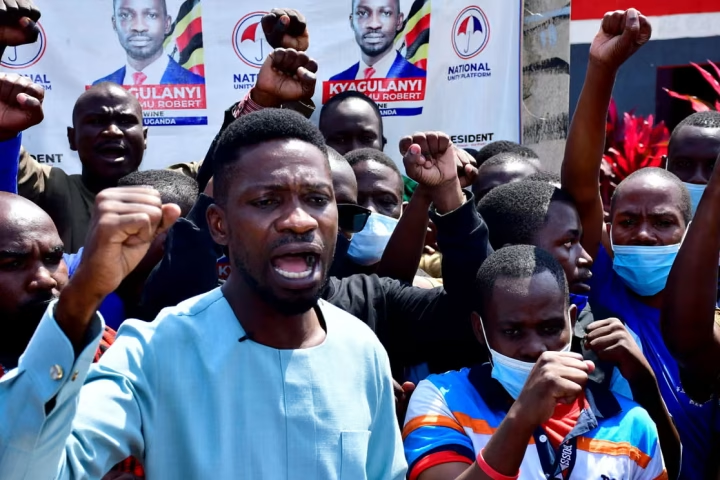
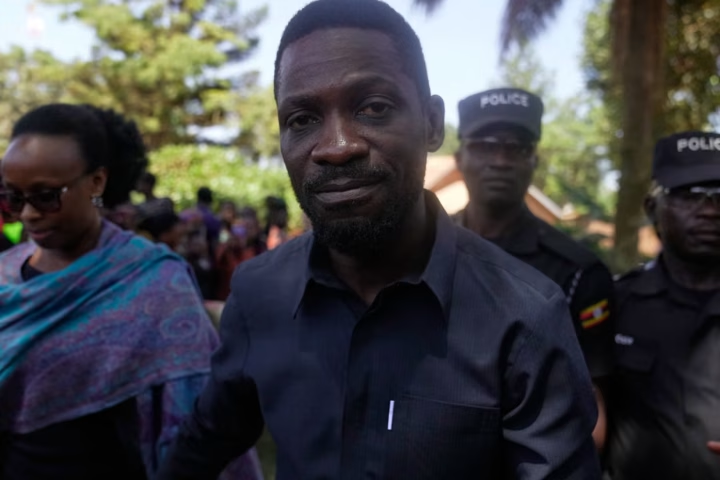
Bobi Wine, whose real name is Robert Kyagulanyi, remains the undisputed face of Uganda’s opposition. He entered politics in 2017 and quickly reshaped the opposition landscape. His rise challenged long-held assumptions about who could mobilise Ugandan voters.
Bobi Wine connects strongly with young people. Uganda has one of the world’s youngest populations. Many youths face unemployment, rising living costs, and limited political voice. Wine’s personal story, from a Kamwookya ghetto to global music stardom and political resistance, resonates deeply.
Under his leadership, the National Unity Platform emerged as Uganda’s largest opposition party. In the 2021 elections, the party won 57 parliamentary seats. It also made gains in areas long considered ruling-party strongholds.
Despite these gains, repression continues to blunt opposition momentum. Violence, arrests, and military dominance limit the opposition’s ability to translate popularity into electoral victory.
State Repression Has Intensified
As Bobi Wine’s influence has grown, state violence against his movement has escalated. In November 2020, protests following his arrest led to the deaths of at least 54 people. Security forces carried out the killings, according to human rights investigations.
Bobi Wine himself has paid a heavy price. Authorities have arrested him repeatedly. He has faced torture, survived assassination attempts, and suffered physical injury. Ahead of the 2026 vote, several National Unity Platform members remain in detention.
Opposition veteran Kizza Besigye was forcibly returned from Nairobi in 2024 and remains in a maximum-security prison. Such actions signal a shrinking political space.
The United Nations High Commissioner for Human Rights has warned of a deepening crackdown. Amnesty International has described the environment as increasingly hostile to opposition politics.
Museveni’s Strategy of Cooptation and Division
Museveni’s grip on power does not rely on force alone. He has also mastered political cooptation. The regime has absorbed rivals, weakened opposition parties, and encouraged internal divisions.
In 2022, Democratic Party leader Norbert Mao joined Museveni’s cabinet as justice minister. His appointment shocked many supporters. The Democratic Party later entered a formal cooperation agreement with the ruling party.
The Forum for Democratic Change fractured after Besigye accused party leaders of accepting state money. Even the National Unity Platform has faced internal strains. In 2024, senior figure Mathias Mpuuga left the party amid corruption allegations and formed a new political group.
These splits reduce opposition unity. They also strengthen Museveni’s long-standing divide-and-rule approach.
The Succession Question Looms Larger
While Museveni appears set to win again, attention increasingly focuses on what comes next. At 81, questions about succession dominate political discussions.
Speculation centres on his son, Muhoozi Kainerugaba, the chief of defence forces. Many Ugandans believe Museveni is grooming him for power.
The constitution bars serving military officers from running for office. Yet Muhoozi has repeatedly hinted at political ambitions. His public statements often spark controversy. They also reveal a growing confidence in his political role.
Recent cabinet reshuffles and party elections have sidelined long-serving figures. Museveni has promoted younger officials seen as loyal to Muhoozi. These moves suggest a gradual restructuring of power within the ruling party.
Political analysts argue that while Museveni’s victory seems assured, the succession process remains uncertain. The balance of power after this election could shape Uganda’s trajectory for decades.
Lessons from the Region
Recent elections in Mozambique and Tanzania offer cautionary lessons. In both countries, ruling parties secured victory through entrenched systems. Yet post-election unrest and political instability followed.
Uganda may face similar risks. Even if Museveni wins, unresolved tensions could surface after the vote. Youth frustration, economic pressure, and succession uncertainty create a volatile mix.
What This Election Really Represents
The 2026 election does not simply decide who occupies State House. It tests the resilience of Uganda’s political system. It reveals the limits of opposition politics under repression. It also exposes the uncertainty surrounding post-Museveni Uganda.
Museveni may win again. Yet the political landscape has shifted. Opposition voices remain louder than in the past. Succession debates grow sharper. Internal ruling-party dynamics evolve.
The election outcome may look familiar. The consequences, however, may not.