Uganda’s electoral process has entered a tense phase after the head of the country’s election body revealed he has faced threats linked to the declaration of presidential results. The disclosure has raised fresh concerns about political pressure, institutional independence, and the credibility of the vote.
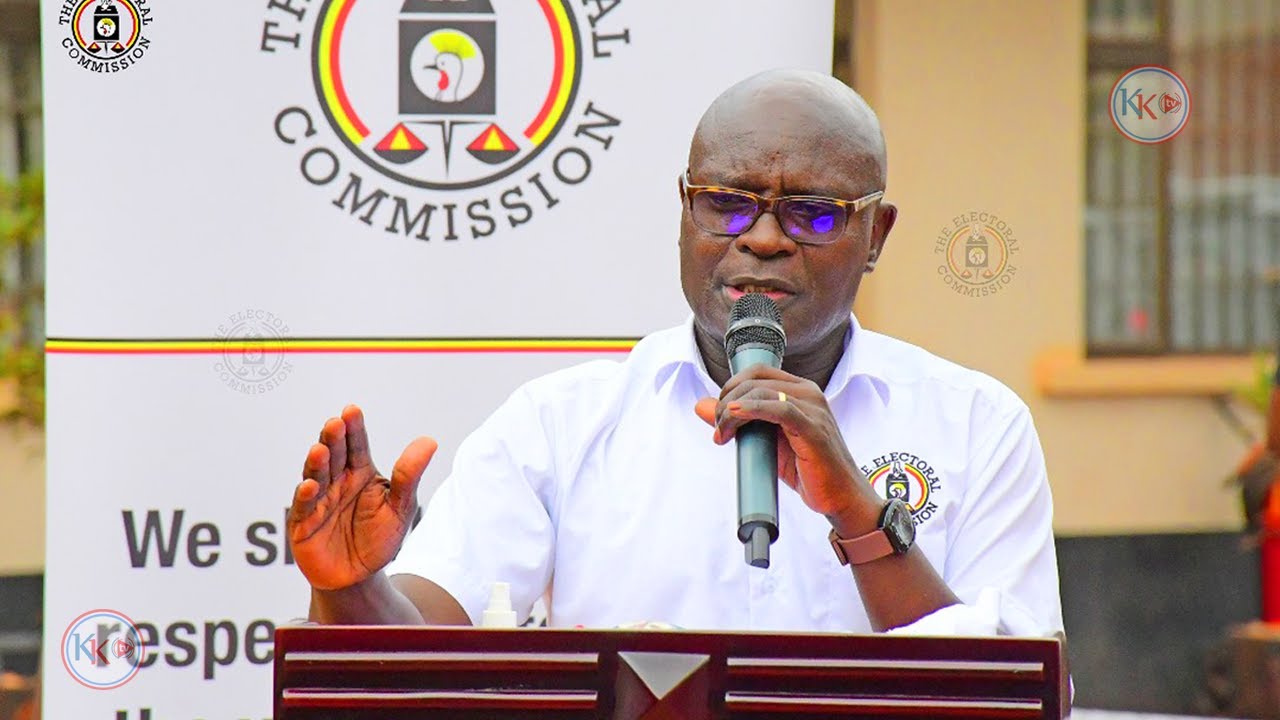
Simon Byabakama, chairman of the Uganda Electoral Commission, said senior state officials had warned him against announcing certain outcomes from Thursday’s election. He did not name those responsible but insisted he would not bow to intimidation.
Byabakama Rejects Political Pressure
Speaking at the Electoral Commission headquarters in Kampala, Byabakama responded to questions about a widely circulated video on social media. In the footage, a presidential aide suggested that the commission would never declare opposition candidate Bobi Wine as president, regardless of the vote.
Byabakama dismissed such claims. He said threats would not influence his role and stressed that he does not “donate votes.” According to him, the law and the will of voters remain the only guides in declaring results.
He added that fear plays no role in how he approaches his duties and described those issuing threats as idle individuals seeking attention.
A Closely Watched Presidential Contest
The election pits long-serving president Yoweri Museveni against his most prominent challenger, Bobi Wine. Museveni, now 81, is seeking a seventh term after nearly four decades in power.
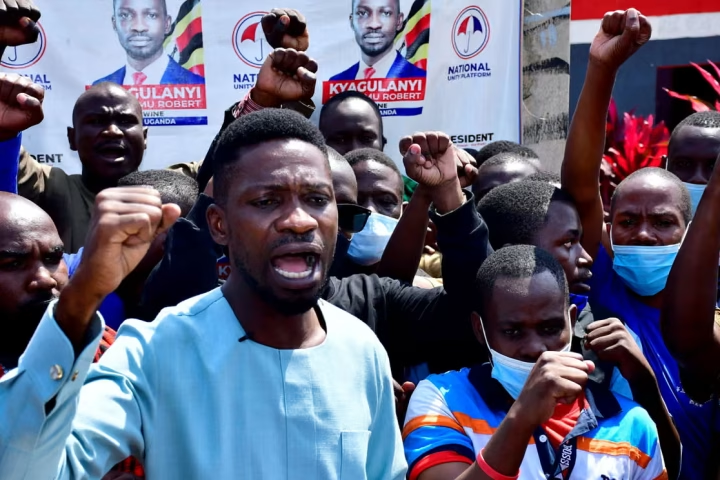
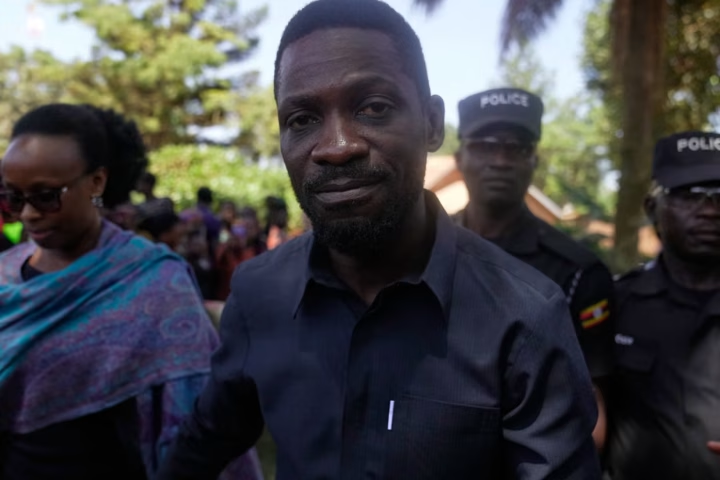
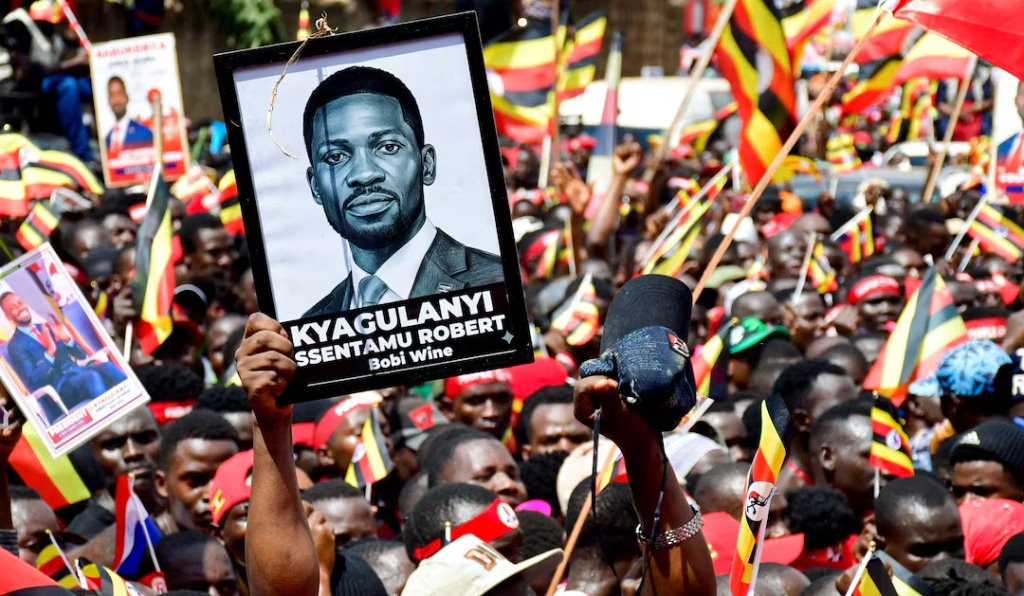
Bobi Wine, whose real name is Robert Kyagulanyi, has emerged as a powerful symbol of opposition politics. At 43, he draws strong support from young voters and urban populations. He finished second in the 2021 election and rejected the results, alleging fraud.
Six other candidates are also contesting the presidency, with about 21.6 million registered voters eligible to take part.
Law, Not Opinions, Will Decide the Winner
Byabakama emphasised that Uganda’s constitution provides a clear formula for determining the winner. The law states that a candidate who secures more than 50% plus one of the valid votes becomes president.
He said voters alone determine how many votes each candidate receives. His role, he explained, is to announce what the electorate has decided, not what politicians or officials prefer.
The commission plans to declare presidential results within 48 hours after polls close, in line with legal requirements.
Campaign Period Marked by Tension
The lead-up to the vote has drawn criticism from rights groups and observers. Security forces disrupted opposition rallies, detained activists, and blocked some campaign activities. Opposition parties accused authorities of using force to tilt the playing field.
Police rejected the accusations. They said their actions aimed to maintain public order and prevent unrest during a sensitive period.
Both the United Nations and Amnesty International warned that the political environment had grown increasingly restrictive during the campaign.
Heavy Security Presence Raises Voter Anxiety
Security forces deployed heavily across Kampala and other major towns. Armoured vehicles and patrols became common sights in the days before the vote.
Byabakama defended the deployment. He said security agencies had a duty to maintain peace and should not intimidate voters. He also acknowledged reports that some polling stations had been placed inside military premises.
The electoral commission, he said, is investigating those claims and will act if it confirms any violations of electoral guidelines.
Internet Shutdown Adds to Concerns
Authorities cut internet access and limited mobile services nationwide ahead of polling day. The government said the shutdown aimed to curb misinformation, electoral fraud, and incitement to violence.
The decision sparked criticism from civil society groups and international observers. The UN human rights office described the move as deeply worrying and warned it could undermine transparency.
Opposition figures argued that the blackout restricts communication, limits monitoring, and weakens public confidence in the process.
Trust in Institutions Under Scrutiny
Byabakama’s comments highlight the pressure facing Uganda’s electoral institutions. His insistence on independence comes at a time when public trust in election management remains fragile.
Past elections in Uganda have triggered violent protests, with investigations linking some deaths to security forces. Those memories continue to shape public anxiety around elections.
As votes are counted, attention now turns to whether the electoral commission can navigate political pressure and deliver results that reflect the will of the electorate.
A Test for Uganda’s Democratic Future
The outcome of this election will influence Uganda’s political trajectory and democratic reputation. It will also test the strength of institutions tasked with safeguarding the vote.
Byabakama’s pledge to follow the law sets a clear benchmark. Whether that promise holds under pressure will matter not just for this election, but for Uganda’s future political stability.