Ugandans are voting in a high-stakes presidential election that pits a long-serving incumbent against a popular musician turned opposition leader. More than 21 million citizens are eligible to cast their ballots in a contest that could shape the country’s political direction for years to come.
The race has narrowed into a clear two-horse contest between President Yoweri Museveni and opposition challenger Bobi Wine. Museveni seeks to extend his rule beyond four decades, while Bobi Wine promises change, reform, and a break from entrenched power.
Museveni Seeks a Seventh Term in Office
President Museveni, now in power for nearly 40 years, presents himself as the guardian of stability and economic progress. A former guerrilla leader, he came to power in 1986 after years of conflict.
Two constitutional amendments cleared the path for his continued rule. Parliament removed presidential term limits and later scrapped age limits. These changes allowed Museveni to stand again despite earlier criticism of African leaders who cling to power.
Museveni has won six previous elections. Political analysts expect him to remain the favorite, citing his control of state institutions and security forces.
Bobi Wine’s Reform-Driven Challenge
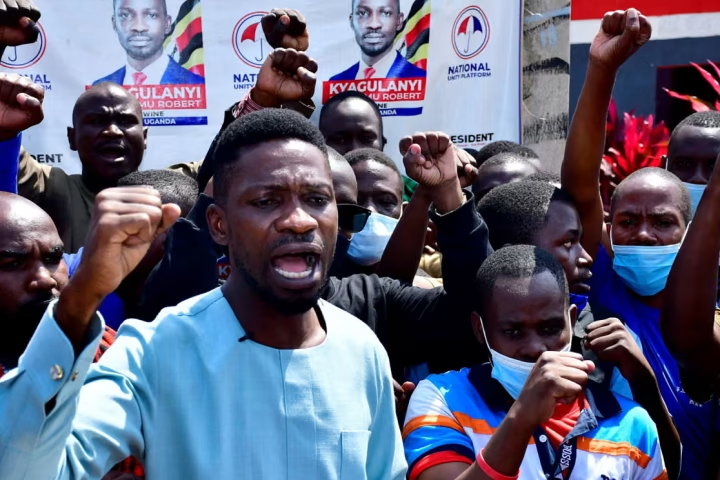
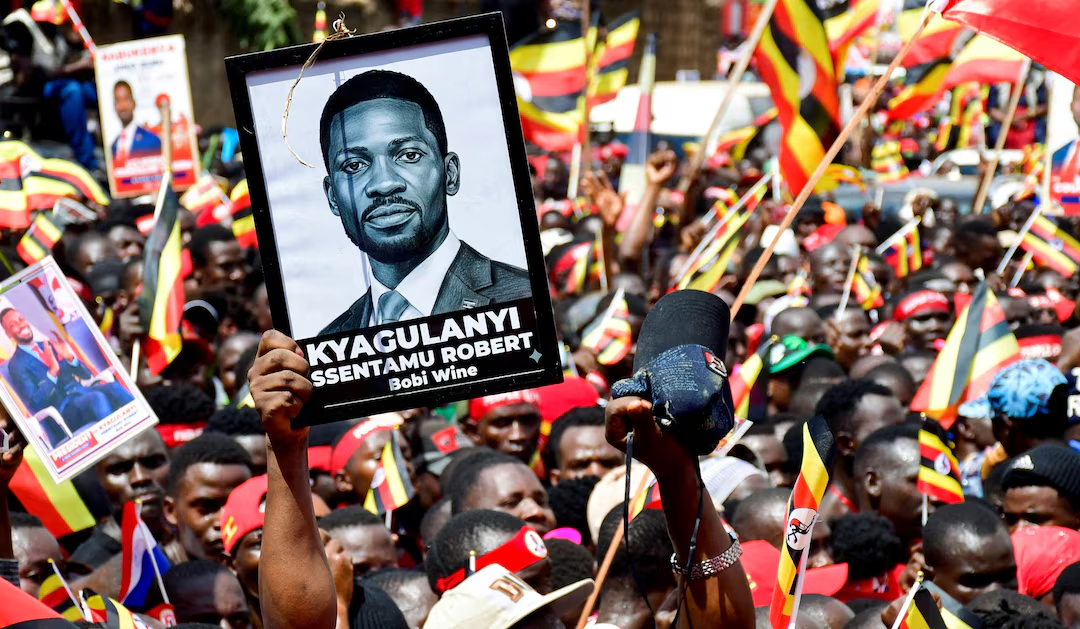
Bobi Wine, whose real name is Robert Kyagulanyi, represents a younger and more urban electorate. At 43, he has built his political profile on anti-corruption rhetoric and calls for democratic reform.
Wine leads the National Unity Platform, which has gained strong support among young voters. Uganda’s population skews heavily youthful, with most citizens under the age of 30. Many young people face unemployment, despite gradual economic growth.
Wine lost the 2021 election to Museveni. Official results gave him 35% of the vote, compared with Museveni’s 59%. Wine rejected the outcome and alleged widespread electoral fraud.
Campaign Marred by Tension and Disruption
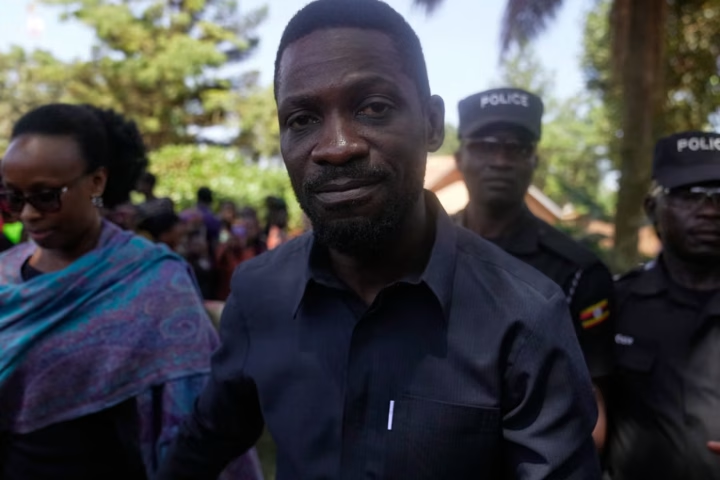
The campaign period unfolded under heavy tension. Security forces repeatedly disrupted opposition rallies and activities. Human rights groups reported arrests, beatings, and intimidation of opposition supporters.
Police spokesperson Kituuma Rusoke denied wrongdoing. He accused opposition supporters, especially those from the National Unity Platform, of provoking disorder.
International observers raised concerns. Both the United Nations and Amnesty International documented what they described as escalating harassment of opposition figures.
Internet Shutdown Draws Global Criticism
Authorities suspended internet access ahead of voting day. Uganda’s Communications Commission said the blackout aimed to prevent misinformation, fraud, and violence.
The move sparked strong criticism. The UN human rights office described the shutdown as deeply worrying. Opposition leaders rejected the government’s explanation and accused regulators of silencing mobilisation efforts and blocking evidence of election malpractice.
Security Tightened Across Kampala
Security forces increased their presence across Kampala in the days leading up to the vote. Police patrols moved through major streets, while armoured vehicles took up positions at key junctions.
The show of force unsettled many residents. Some chose to leave the capital for rural areas, believing it offered greater safety during the election period.
One voter told the BBC he changed his polling centre to his home village to avoid the tense atmosphere in the city. He described the security presence as intimidating and said it influenced his decision.
Electoral Commission Faces Pressure
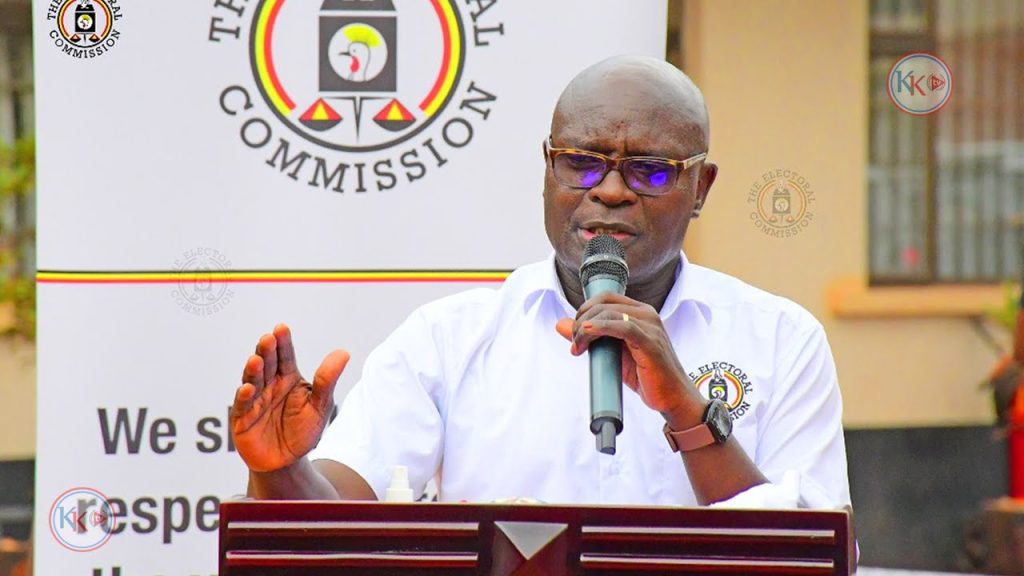
The head of Uganda’s electoral body, Simon Byabakama, revealed he had received threats over the expected results. He said some individuals warned him against declaring certain outcomes.
Byabakama insisted the commission would follow the will of the voters. He stressed that he had no intention of manipulating results or yielding to intimidation.
Uganda’s electoral history raises concerns. Past elections, including those in 2012, triggered violent protests. A BBC investigation later found that security forces caused some of the deaths during those clashes.
Economy Dominates Voter Concerns
For many voters, economic issues outweigh political loyalty. While average incomes have risen, job creation has not kept pace with population growth.
Voters also cite poor infrastructure, limited access to quality healthcare, and uneven education services. These challenges resonate strongly with young people entering the workforce.
The next president will face pressure to deliver jobs, services, and accountability in a rapidly growing nation.
Voting Timeline and What Comes Next
Polling stations are set to close at 16:00 local time. Electoral officials will allow anyone already in line to vote after the official closing time.
The electoral commission plans to announce presidential results by the same time on Saturday. Alongside the presidency, voters are also electing a new parliament, with 353 seats contested nationwide.
As Ugandans cast their ballots, the choice reflects a deeper question. It asks whether continuity or change best serves the country’s future.