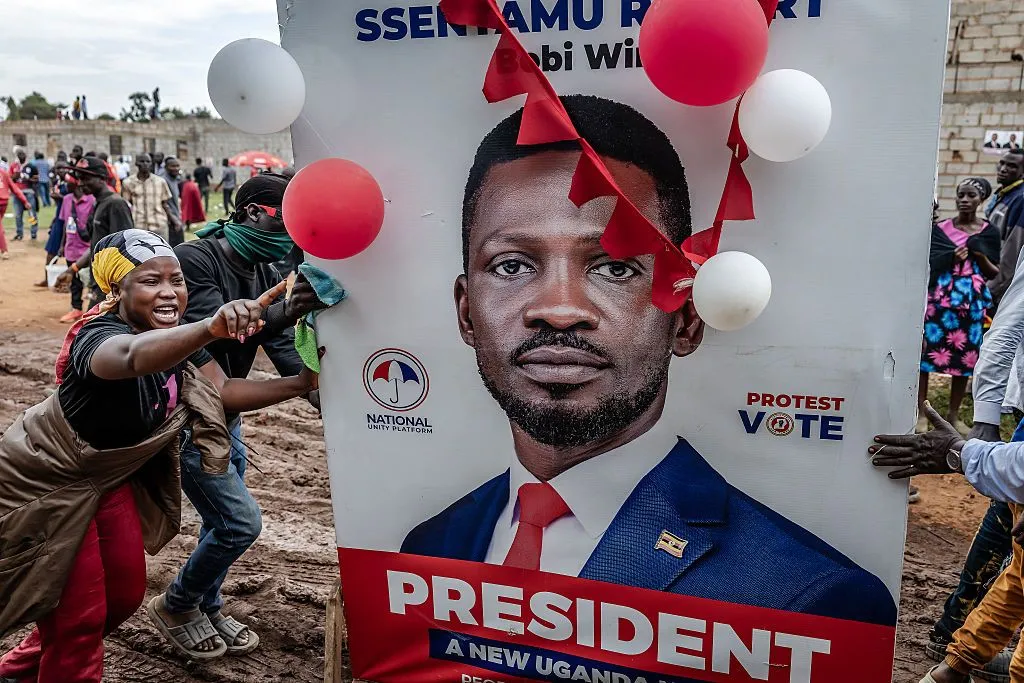
Uganda’s election campaign has been transformed into a vivid display of youth power, with young people forming the backbone of rallies, roadshows, and grassroots mobilisation across the country. Whether dressed in the yellow of the ruling party or the red associated with the opposition, youthful supporters dominate public gatherings, chant party songs, and document events on their phones with striking enthusiasm.
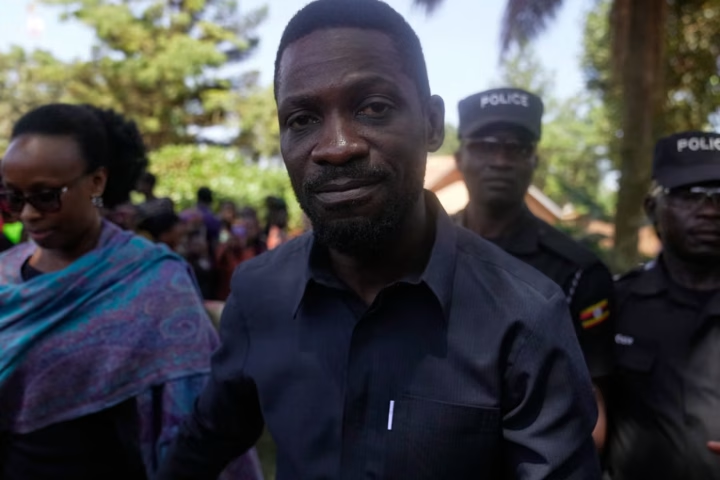
At opposition rallies, supporters of Bobi Wine speak passionately about change and opportunity. Many believe his leadership could unlock development and inclusion if given a chance. Yet even among the youth, opinions remain sharply divided. Some young Ugandans continue to back the status quo, arguing that continuity under Yoweri Museveni offers stability, even after four decades in power.
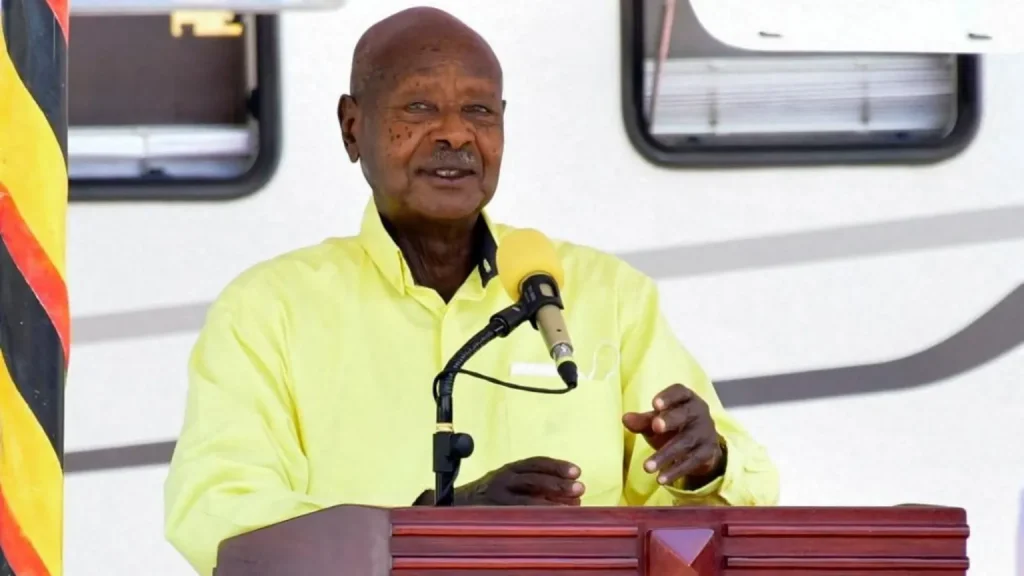
Thursday’s vote marks a rematch of the 2021 presidential election, once again pitting the 81-year-old Museveni against Bobi Wine, now 43. The contrast between the two candidates reflects a deeper national paradox. Uganda is one of the youngest countries in the world, with a median age of just 17, yet its political leadership is dominated by figures who rose to power generations ago.
The ruling National Resistance Movement is campaigning on continuity, urging voters to “Protect the Gains.” Party officials highlight Uganda’s relative stability and its role as Africa’s largest refugee host as achievements worth defending. In contrast, Bobi Wine’s National Unity Platform is rallying supporters with a “Protest Vote” message, framing the election as a generational turning point driven by frustration over unemployment, inequality, and limited political space.
This tension is not unique to Uganda. Across Africa, youthful populations are increasingly challenging entrenched political elites. From Kenya to Mozambique and Tanzania, youth-led protests and activism have unsettled long-standing power structures. Ugandan authorities are closely watching these developments, determined to prevent similar unrest at home.
Many observers argue that the election is unfolding in a heavily securitised environment. Analysts say state institutions have been used to suppress dissent, raising doubts about how competitive the process truly is. International bodies have warned of repression, intimidation, and restrictions on opposition voices, even as authorities insist the vote will be peaceful.
Despite the high energy of the campaign, President Museveni is widely expected to win, based on Uganda’s electoral history. Still, the vote carries significance beyond the immediate result. It raises a central question about the country’s future: what happens after Museveni?
Succession debates have intensified in recent years, particularly around the rising influence of his son, Gen Muhoozi Kainerugaba. His growing authority within the military and expanding public profile have fuelled speculation about a possible hereditary transition, even as ruling party officials dismiss such claims.
For many young voters, the election has become less about individual candidates and more about voice, participation, and dignity. While the outcome may appear predictable, the message from Uganda’s youth is increasingly clear. They are no longer passive observers in national politics, and their presence is reshaping the country’s political conversation in ways that will extend far beyond this election.
Adapted from BBC