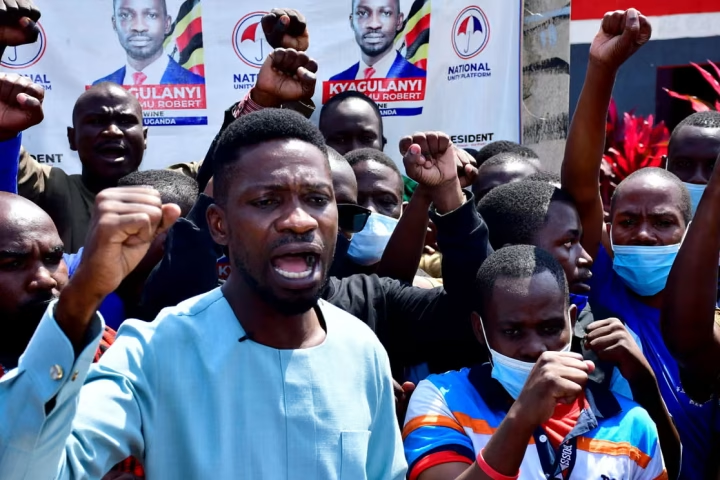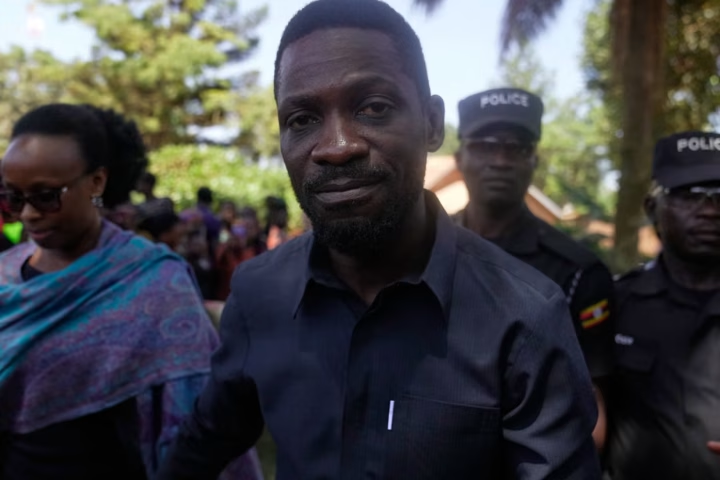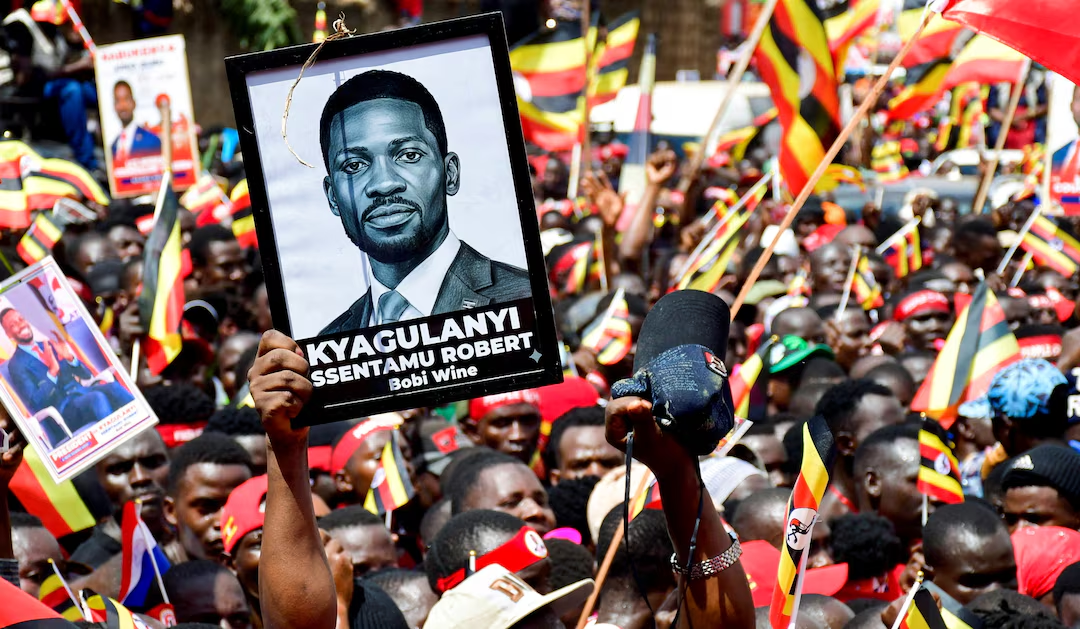
As Uganda prepares for its presidential election next week, opposition leader Bobi Wine has pledged to review the country’s agreements with international oil companies if he is elected president. In an exclusive interview on January 8, 2026, Wine, the main challenger to long-time incumbent President Yoweri Museveni, stated that any oil agreements deemed unfavorable to Ugandans would be revised under his administration.
Uganda, which has vast oil reserves estimated at 6.65 billion barrels, is on the verge of starting commercial crude oil production later in 2026. This marks a significant milestone for the country, as it has taken over 20 years for the oil industry to reach this point. However, the path to production has been marred by delays, disputes over contracts, and environmental concerns raised by activists. The country’s oil fields are managed by French oil giant TotalEnergies, China’s CNOOC, and Uganda National Oil Company (UNOC), all of whom operate under production-sharing agreements (PSAs) with the government.
Bobi Wine’s Stance on Oil Agreements
Wine, a former pop star and the leader of the National Unity Platform (NUP), has positioned himself as a vocal critic of the current government’s handling of the oil industry. He expressed concern that the deals with TotalEnergies and CNOOC do not adequately benefit the Ugandan people, particularly given the country’s long-standing poverty and underdevelopment.
“We shall study all agreements,” Wine said during his campaign in Kampala. “And any part in those agreements that does not favour Ugandans will definitely be revised.” His comments reflect widespread discontent among Ugandans who feel that foreign multinational companies are benefitting from the nation’s oil wealth while the local population continues to struggle with poor infrastructure and inadequate public services.
Wine’s stance contrasts sharply with that of the incumbent President Museveni, whose government has been a strong proponent of these international partnerships. Critics, however, argue that these agreements have led to minimal returns for the Ugandan people, with a large portion of the revenues from oil extraction going to foreign companies and international stakeholders.
Oil Production Delays and Environmental Concerns
Despite the anticipated start of production, Uganda’s oil industry has faced a number of setbacks. The initial discovery of oil in the country was made two decades ago, but production has been delayed multiple times due to a combination of regulatory disputes, contractual disagreements, and opposition from environmental groups. These delays have left the country’s oil reserves untapped, with critics pointing to the environmental risks associated with oil extraction, particularly in Uganda’s fragile ecosystems.
Environmental activists have raised concerns about the ecological impact of oil extraction in the region, especially in the Albertine Rift Valley, which is home to diverse wildlife, including endangered species like the mountain gorilla. Critics argue that oil production could lead to long-term environmental degradation, with risks such as oil spills, deforestation, and water pollution, which would disproportionately affect local communities who depend on the land for agriculture and livelihoods.
Wine has aligned himself with these environmental concerns, suggesting that any new oil deals should include stricter regulations and better safeguards for the environment. He has also raised questions about the fairness of the compensation schemes for communities directly impacted by oil extraction.
Political and Economic Implications
Bobi Wine’s position on the oil deals is part of his broader platform that advocates for greater economic independence for Uganda. He has long argued that Uganda’s natural resources, particularly oil, should be used to benefit its citizens and contribute to national development. Wine has emphasized that, under the current system, foreign companies and powerful political elites are the primary beneficiaries of Uganda’s natural wealth.
If elected, Wine would face the formidable task of negotiating with international oil companies like TotalEnergies and CNOOC, which have made significant investments in the country. Any attempts to alter the terms of the PSAs could lead to tense negotiations, with the potential for legal battles or even the withdrawal of foreign investment, which could further delay production and disrupt Uganda’s oil aspirations.
In addition to the oil industry, Wine’s political message has resonated with many Ugandans who feel disenfranchised by the ruling government. His calls for greater transparency, social justice, and political freedom have attracted significant support, especially among the younger population who are dissatisfied with the status quo.
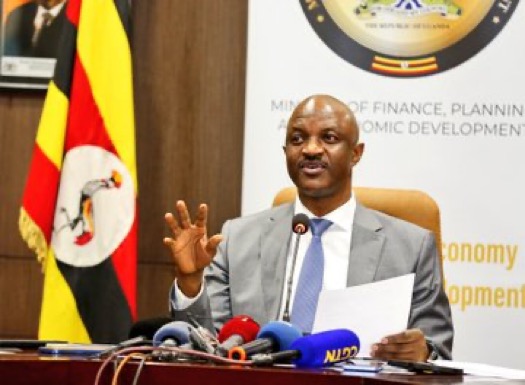
However, President Museveni’s government has maintained that the oil deals with foreign companies are crucial for the country’s economic development. The government argues that these agreements have already resulted in major investments in infrastructure and job creation, with the oil sector expected to significantly contribute to Uganda’s GDP in the coming years.
Tensions with the West
Bobi Wine has also been critical of the support Uganda has received from Western countries, particularly in relation to the oil deals. He has accused Western allies of turning a blind eye to human rights abuses in Uganda, including crackdowns on political dissent and opposition leaders. Wine has positioned himself as a challenger to the influence of foreign governments and international corporations that, he argues, support Museveni’s government despite its human rights record.
While Uganda’s oil deals have garnered support from countries like China, France, and the United States, Wine’s criticism highlights the broader geopolitical tensions surrounding the country’s oil industry. The West, particularly the European Union, has raised concerns about human rights violations in Uganda, which has led to strained relations between Uganda and some of its traditional allies.
A Critical Election for Uganda’s Future
Uganda’s 2026 presidential election has become a pivotal moment for the country’s oil industry and its future economic direction. Bobi Wine’s proposal to review and potentially revise oil deals with TotalEnergies and CNOOC has become a key point of debate as the election approaches. His stance represents a broader call for economic independence and greater control over Uganda’s natural resources, a message that has resonated with many Ugandans who feel excluded from the benefits of the country’s oil wealth.
As the election draws near, the question of how Uganda manages its oil resources and the relationships it maintains with foreign companies will play a central role in shaping the future of the nation. The outcome of this election could have significant implications not just for the political landscape, but also for Uganda’s economic trajectory, the welfare of its citizens, and its relationship with the global community.