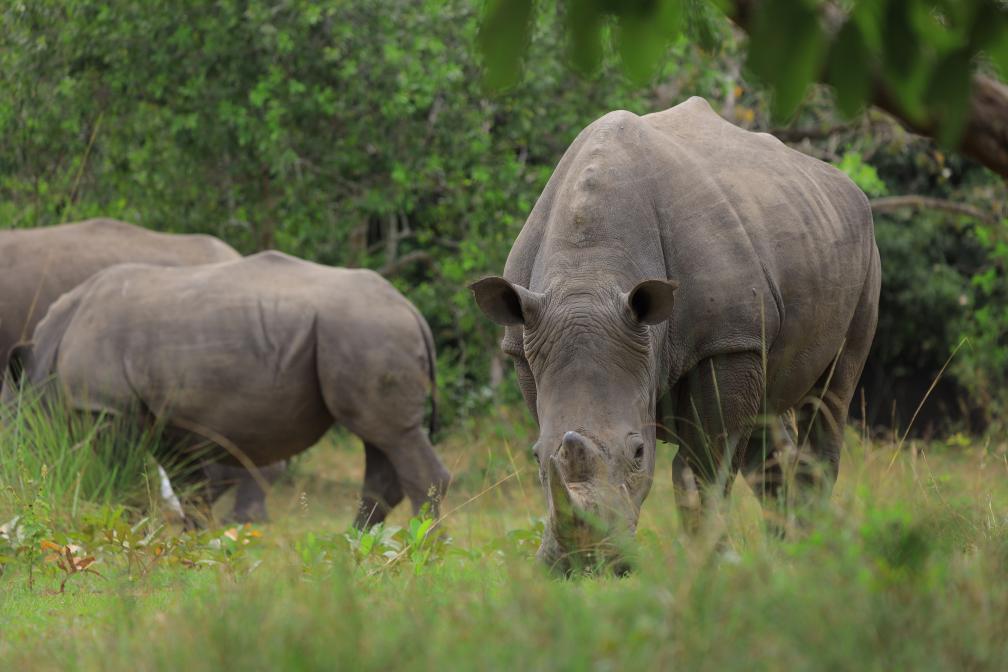
In a monumental step for conservation, Uganda has successfully reintroduced rhinos into the wild, marking a historic moment for wildlife protection in the country. After a prolonged absence, the reintroduction of these magnificent creatures is seen as a major success in the nation’s ongoing conservation efforts. The Uganda Wildlife Authority (UWA) announced on January 9, 2026, that four southern white rhinos have been released into the wild in the Ajai Wildlife Reserve, located in Madi-Okollo District in northwestern Uganda.
A Historic Return: From Extinction to Reintroduction
Rhinos were once native to Uganda, but by the early 1980s, the species was wiped out locally due to rampant poaching and prolonged instability in the region. The Ajai Wildlife Reserve, once home to around 60 rhinos in the 1960s, saw its population dwindle to zero by the end of the 20th century. Now, decades later, four southern white rhinos have returned to the reserve, marking the beginning of a new chapter in Uganda’s wildlife conservation efforts.
This move follows years of careful planning and dedicated work from the Uganda Wildlife Authority, which had launched a rhino recovery program in 2005. The program started with the introduction of six rhinos at the Ziwa Rhino Sanctuary in Nakasongola District. Over the years, the population has grown steadily, and by December 2025, Uganda’s rhino population had reached 59 southern white rhinos, all living in protected sanctuaries.
Critical Infrastructure Supports the Reintroduction
The reintroduction of rhinos into the wild is not a simple task. To ensure the rhinos’ successful transition to their new home, the UWA has invested in essential infrastructure within the Ajai Wildlife Reserve. This includes the installation of electric fencing to protect the rhinos from human-wildlife conflict and poaching, as well as the establishment of ranger outposts to enhance surveillance and ensure rapid response in case of emergencies. A reliable water supply network has also been set up to serve both the sanctuary and the wider reserve, ensuring that the rhinos have access to water throughout the year.
The UWA has also been working closely with local communities to promote awareness about rhino conservation and ensure the safety of the newly introduced animals. The rhinos are currently under close observation as they adapt to their new environment. This first group of four rhinos will be monitored for stability before the next phase of reintroduction, which will involve the release of 16 additional rhinos.
The Impact on Uganda’s Conservation Landscape
James Musinguzi, the Executive Director of the Uganda Wildlife Authority, described the reintroduction of rhinos as “a new chapter in the country’s conservation journey.” The move is not only a major achievement for Uganda but also a significant milestone for conservation efforts across Africa. Rhinos are critically endangered, and Uganda’s success in breeding and reintroducing them to the wild sets an inspiring example for other nations facing similar conservation challenges.
The successful reintroduction also provides hope for other endangered species in Uganda, including elephants, lions, and other large mammals that are under threat from poaching and habitat loss. The return of rhinos to their natural habitat strengthens the country’s commitment to wildlife preservation, demonstrating that, with dedicated efforts, it is possible to reverse the damage caused by poaching and habitat degradation.
Challenges Ahead: Maintaining Success and Ensuring Long-Term Sustainability
While the reintroduction of rhinos is a cause for celebration, there are still significant challenges to overcome. Poaching remains a constant threat to rhinos across Africa, and Uganda must continue to invest in its wildlife protection infrastructure. The success of the reintroduction program depends on the ability to maintain the safety of the animals and prevent illegal hunting activities.
Moreover, Uganda must address the broader environmental challenges that affect wildlife conservation, such as land encroachment and climate change. Maintaining a balanced ecosystem is crucial for ensuring the long-term survival of rhinos and other wildlife species in the country.
To help meet these challenges, Uganda is relying on continued international support, collaboration with conservation organizations, and active participation from local communities. The ongoing success of the rhino reintroduction program will require a multi-faceted approach, combining scientific expertise, community engagement, and stringent law enforcement to protect the animals and their habitats.
Looking Forward: A Bright Future for Uganda’s Wildlife
The reintroduction of rhinos to the wild in Uganda marks a significant achievement for both the country and the global conservation community. With continued investment in infrastructure, law enforcement, and community involvement, Uganda is well-positioned to secure the future of its rhino population and other endangered species. As the country celebrates this milestone, there is hope that this success will inspire further conservation efforts across Africa, bringing the continent closer to preserving its rich biodiversity for future generations.
The successful reintroduction of rhinos is not just a victory for Uganda—it is a victory for the planet. As global attention shifts to the importance of preserving wildlife and ecosystems, Uganda’s efforts stand as a beacon of hope for conservation worldwide.