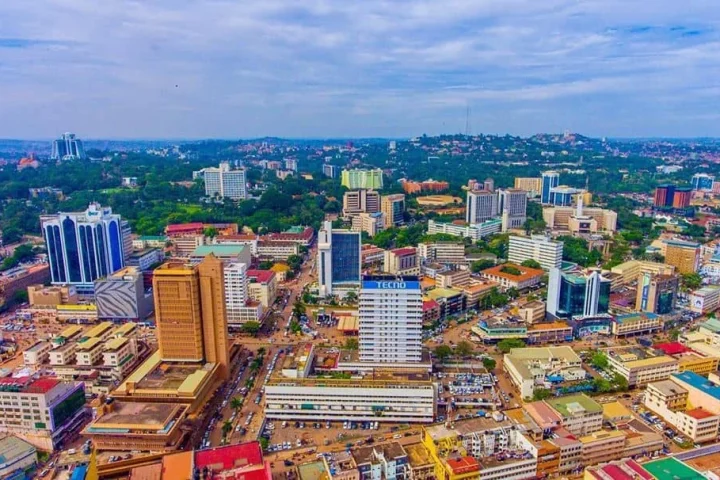
In a remarkable achievement, the Uganda Shilling has been recognized as the world’s most stable currency for the year ending December 2025. This accomplishment comes at a time when many global economies are grappling with inflation, currency depreciation, and geopolitical uncertainty, yet Uganda’s currency has demonstrated exceptional resilience. The shilling’s performance is a testament to the country’s stable economic management, disciplined fiscal policies, and strategic government interventions.
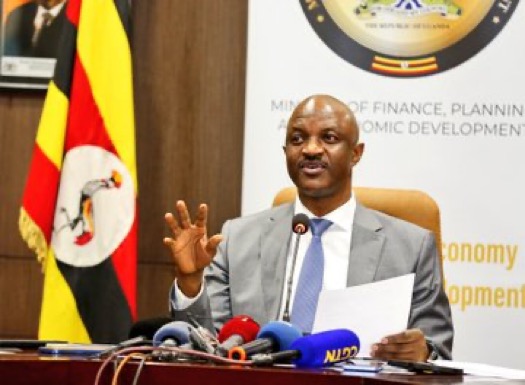
Ramathan Ggoobi, Uganda’s Permanent Secretary and Secretary to the Treasury, made this announcement during the government’s third-quarter budget performance briefing in Kampala. He noted that the shilling appreciated by 2.45% in 2025, outperforming other major currencies, including the U.S. dollar, the pound sterling, and the Hong Kong dollar. This appreciation is credited to a combination of low inflation, sound fiscal management, and the government’s efforts to stabilize key markets, including food and fuel.
Uganda’s Resilient Economy
Ggoobi highlighted that Uganda’s economy has continued to thrive even amid challenges faced by many emerging markets. As inflationary pressures affected other nations, Uganda’s economic growth remained robust, with GDP growth reaching 6.3% in FY2024/25. Projections for the current financial year suggest that GDP growth could range from 6.5% to 7%, with expectations of double-digit growth in the medium term.
The size of Uganda’s economy is also expected to expand significantly, with projections indicating a rise to $68.4 billion (Shs 249.4 trillion) by FY2025/26. This continued growth underscores the country’s ability to maintain momentum in the face of both global market volatility and the typical economic strains associated with an election year.
Inflation Control Amid Election Pressures
Despite being an election year, when inflation typically spikes due to increased government spending and supply disruptions, Uganda has managed to keep its inflation rate stable. In November and December 2025, headline inflation remained unchanged at 3.1%, a trend Ggoobi attributed to effective government measures. These measures include strategic investments in food production, efficient monetary policies, and direct fuel imports through the Uganda National Oil Company (UNOC), which shielded domestic prices from global oil shocks.
Ggoobi pointed out that Uganda’s inflation rate has been the lowest in Africa over the past decade, a notable achievement considering the global economic challenges. The stability in prices is seen as an indicator of Uganda’s growing economic strength and its ability to weather external shocks.
Tight Fiscal Controls and Strategic Investments
One of the key factors contributing to the Uganda shilling’s stability is the government’s disciplined approach to fiscal management. In the third quarter of FY2025/26, Uganda’s government maintained strict controls on expenditure while ensuring that essential services, such as security and infrastructure investment, were adequately funded. The government also prioritized funding for election-related activities, ensuring that the democratic process was not compromised by financial constraints.
Additionally, the government’s sustained focus on investment in wealth creation, health, education, and infrastructure has helped lay the foundation for long-term economic stability. These investments are seen as key drivers of sustainable growth and are expected to continue boosting the country’s economic prospects.
The Role of Uganda’s Liberalized Financial Environment
The stable performance of the shilling over the past five years is also attributed to Uganda’s increasingly liberalized financial environment. Patrick Ayota, Managing Director of the National Social Security Fund (NSSF), noted that Uganda’s currency has shown impressive appreciation against the U.S. dollar during this period, reflecting the strength of the country’s economic fundamentals.
Ayota emphasized that Uganda’s free-floating exchange rate and the absence of foreign exchange controls have allowed for greater flexibility in capital flows. This has made Uganda a more attractive destination for foreign investment, with investors able to move capital freely in and out of the country. He added that the ability for investors to convert foreign currency with ease has helped increase confidence in the economy.
“If you came into Uganda five years ago with $10,000, exchanged it into shillings, and converted it back today, you would have $695 more than when you started,” Ayota remarked. This example illustrates the growing value of Uganda’s currency and reinforces the confidence in the country’s macroeconomic management.
A Regional Outlier
While major African currencies such as the Egyptian pound and the South African rand have weakened considerably against the dollar over the same period, the Uganda shilling has emerged as a standout performer. Uganda’s position as a relative outlier in terms of currency stability highlights the effectiveness of its economic policies, which have prioritized fiscal discipline, investment in key sectors, and a stable macroeconomic environment.
The Road Ahead for Uganda’s Economy
Looking ahead, Uganda is poised to continue its trajectory of economic growth and stability. The government’s focus on infrastructure development, sectoral diversification, and attracting foreign investment will remain critical drivers of the economy. Additionally, the country’s strong fiscal policies, low inflation rates, and resilient currency position Uganda as one of the most attractive investment destinations in East Africa.
As the Ugandan economy grows, the government will need to continue managing inflationary pressures, ensuring that the benefits of growth are felt across all sectors of society. With a projected GDP growth of up to 7% in the near term and a strategic plan to reach a USD 1 trillion economy by 2031, Uganda’s future looks bright.
A Strong Foundation for Future Growth
Uganda’s economic resilience, particularly its stable currency performance, reflects the success of its prudent fiscal management, sound monetary policies, and strategic investments. The shilling’s status as the world’s most stable currency in 2025 is a remarkable achievement, and it signals Uganda’s growing economic strength on the global stage. With continued focus on infrastructure, education, and business-friendly policies, Uganda is well-positioned to maintain its positive economic trajectory and become a key player in Africa’s future growth.