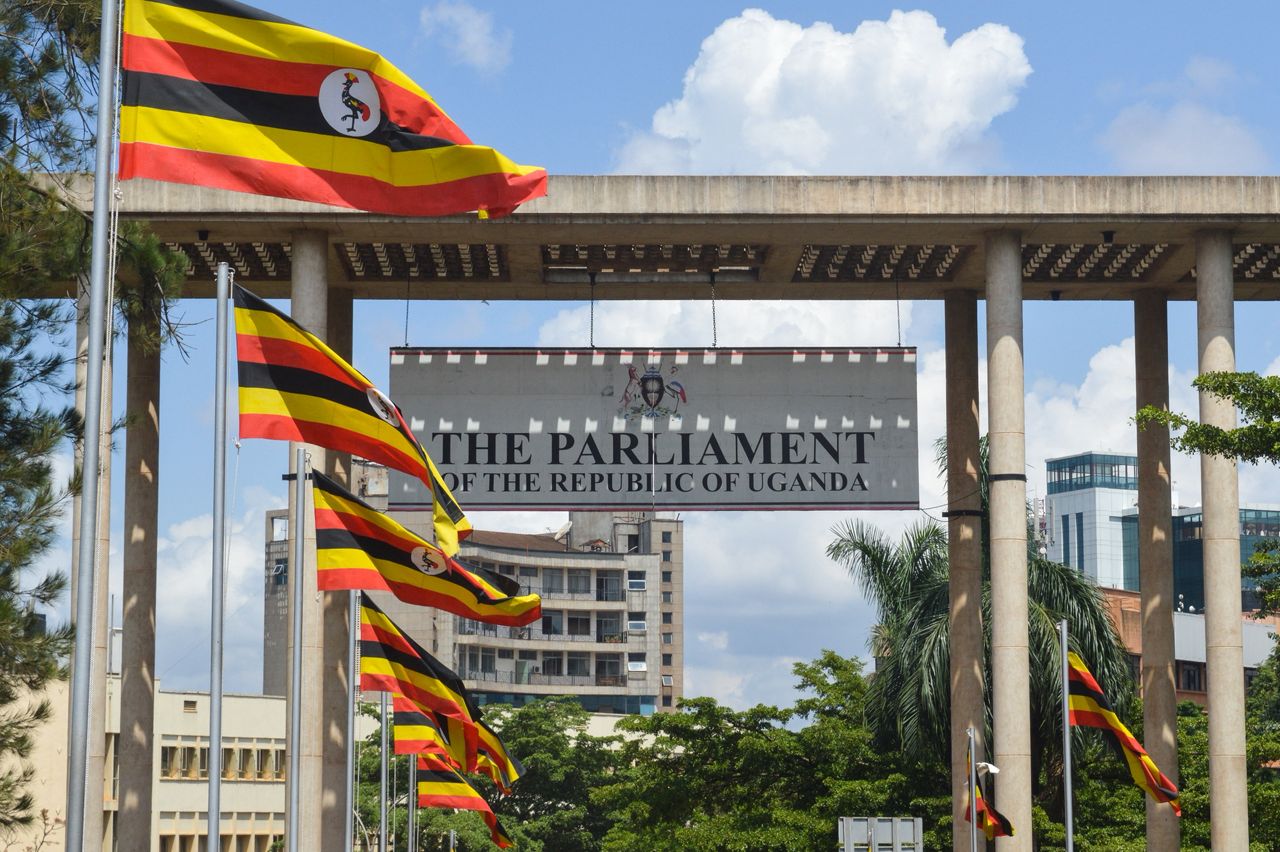
The Ugandan Parliament’s budget for the upcoming 2026/27 fiscal year has reached a staggering Shs1.187 trillion, a sum that many critics argue highlights an alarming disregard for fiscal responsibility. The revelation of such a large budget has sparked intense public debate, with many Ugandans questioning whether this expenditure truly reflects the priorities and needs of the country or if it serves to sustain the lavish lifestyles of lawmakers.
Unpacking the Budget: The Breakdown of Spending
A close examination of the proposed budget reveals that a significant portion of the funds allocated to Parliament is being funneled into non-productive areas. While wages for parliamentary staff and Members of Parliament (MPs) are estimated to cost around Shs119.7 billion, the bulk of the budget—Shs863.9 billion—is classified as “non-wage expenditure.” This includes a wide array of allowances and perks for the 559 MPs and former officials, including committee allowances, foreign travel expenses, and other incidental costs.
The public has expressed outrage over the substantial portion of the budget that is directed toward perks for MPs, which many argue does not contribute to the long-term development of the country. In stark contrast, the development budget—funds meant for infrastructure and sustainable growth—sits at a mere Shs45.1 billion. This stark financial disparity raises concerns about the true priorities of Uganda’s legislative body, as it appears to be investing far more in its own comfort and operations than in the country’s long-term development needs.
The Personal Costs: MPs’ Lifestyles and Entitlements
Perhaps the most contentious aspect of the parliamentary budget is the entitlements given to MPs. A backbench MP, considered the lowest-paid, receives a monthly salary of Shs30 million, while National MPs can earn as much as Shs80 million per month. These salaries are just the beginning of the perks MPs receive.
On top of their generous paychecks, MPs are entitled to various allowances. They receive housing allowances, medical cover for themselves and up to six dependents, and additional allowances for their participation in committee work. MPs also enjoy domestic oversight allowances of at least Shs400,000 for engaging in parliamentary duties.
When MPs travel abroad, the costs for their accommodations are substantial. The taxpayer is expected to cover up to Shs2.6 million per day to ensure that MPs stay in “respectable” residences during official trips. While some may argue that these allowances are justified in order to maintain the dignity and effectiveness of the legislative process, others contend that they represent an excessive burden on the public purse.
The Cost of the Parliament Fleet: A Burden on the Treasury
Another highly controversial element of the Parliament budget is the cost of vehicles for MPs. Each of the 559 members is entitled to a vehicle worth Shs315 million. This has resulted in a total cost of Shs176 billion for the Parliament fleet, a figure that many critics see as an example of wasteful spending.
The vehicle allocations for MPs have raised questions about the appropriateness of such lavish expenditures when the country faces ongoing economic challenges. In a country where millions struggle to meet basic needs, the idea of taxpayers footing the bill for such high-end vehicles for lawmakers has become a focal point of criticism.
Inside Parliament: Growing Concerns Among MPs
Interestingly, some MPs within the House have started to voice concerns about the growing cost of maintaining Parliament and the impact it has on the public. Ibrahim Ssemujju Nganda, the MP for Kira Municipality, has been particularly vocal in his criticism, warning that the Parliament budget is unlikely to see any significant reduction in the near future. Ssemujju suggested that the only viable solution to curb the rising costs of the legislature is a radical downsizing of the House.
Ssemujju believes that Parliament should be reduced by at least half, arguing that this would not only help curb costs but would also improve the quality of representation. “The number of MPs meeting the expectations of their roles could also reduce,” he said, pointing out that the current system may not be delivering value for money.
His stance on meritocracy is clear: “Parliament should have adopted a model to pay according to work done,” Ssemujju explained. This perspective is shared by Dr. Lulume Bayiga, another prominent critic, who also questions whether taxpayers are receiving a fair return on their investment in MPs’ salaries and entitlements.
Dr. Bayiga has called for a more transparent and accountable system that evaluates MPs based on their productivity and contribution to the legislative process. He emphasized that taxpayers should not have to bear the brunt of lavish spending for individuals who are not fulfilling their roles adequately. “We need to see a value-adding member of parliament before we accord resources,” Bayiga asserted.
The Economic Toll: A Breakdown in Fiscal Discipline
From an economic perspective, the situation is even more concerning. Julius Mukunda, a well-known budget expert, argues that the current trajectory of parliamentary spending reflects a broader failure in fiscal discipline. He warns that without the imposition of strong fiscal rules, such excesses will continue to plague Uganda’s public finances.
“We don’t have strong fiscal rules to allow sustainable spending,” Mukunda said, pointing out that Parliament has been able to increase its pay and allowances without the necessary checks and balances. He describes this situation as a “misuse of public assets,” suggesting that the country’s public funds are being diverted away from the needs of ordinary citizens in favor of a few privileged individuals.
Mukunda advocates for systemic reforms that would limit the discretionary powers of lawmakers to allocate funds for their own benefit. “We need to review the expenditure of running a government because it is exorbitant,” he argued, calling for a more transparent and accountable approach to managing public funds.
A Disconnect Between the Government and the People
The disparity between the government’s spending priorities and the needs of the people has become a key point of contention. While lawmakers enjoy a lavish lifestyle funded by taxpayers, many Ugandans continue to face economic hardship. The growing cost of Parliament’s operations is seen by many as an example of a government that is out of touch with the realities facing the average citizen.
As the debate over the budget continues, there is a growing consensus that the current system is unsustainable. Many Ugandans are calling for a reevaluation of how public funds are spent, particularly when it comes to the legislature. The demand for more efficient, transparent, and accountable governance has never been louder, as the country’s fiscal future hangs in the balance.