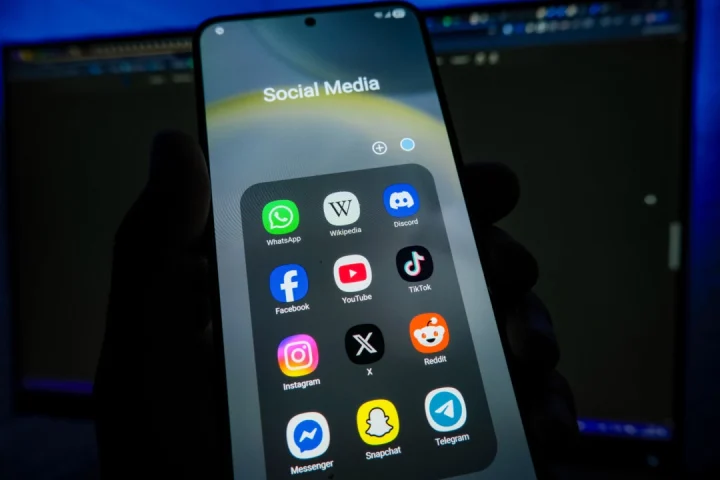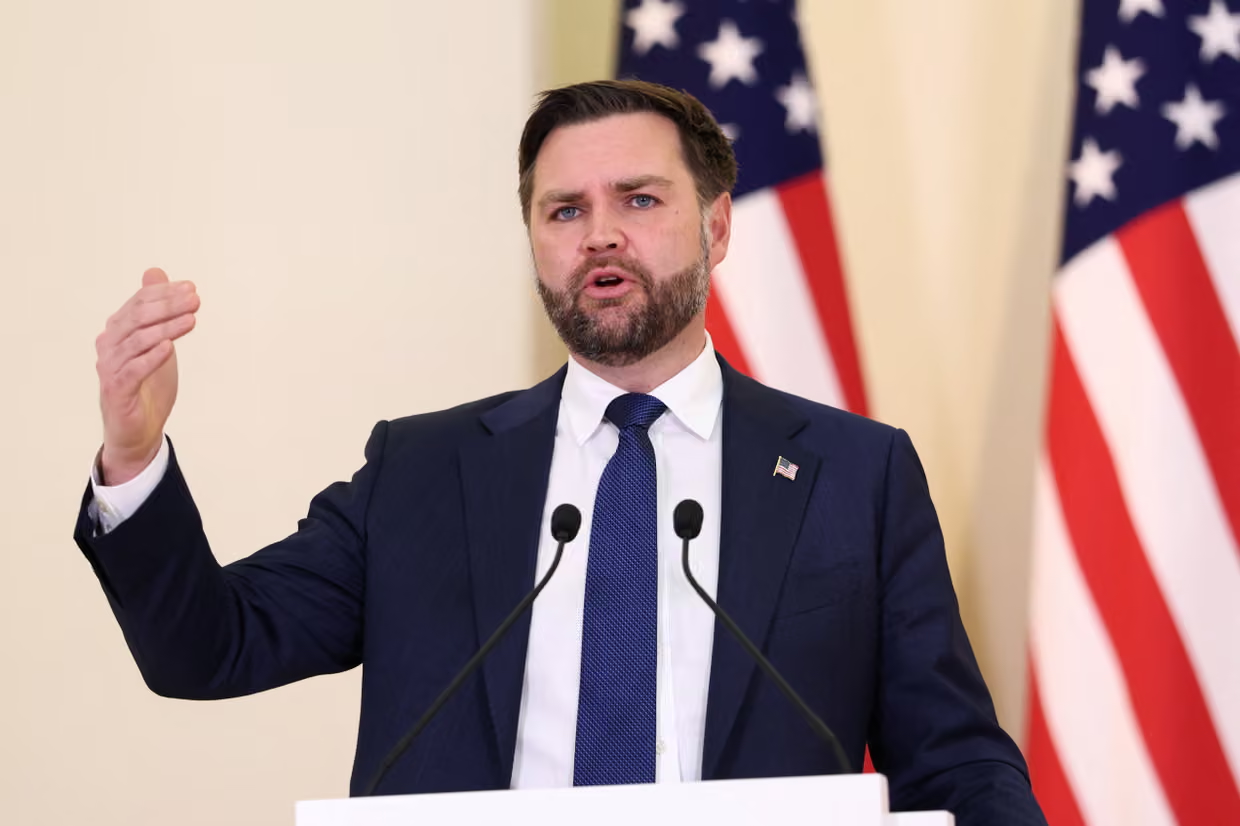
A recent social media post by US Vice President JD Vance, in which he referred to the Armenian genocide, has been deleted by the White House after it sparked backlash from members of the Armenian diaspora and political figures. The post, made during Vance’s official visit to Armenia, marked the first time that a high-ranking official in the Trump administration publicly used the term “Armenian genocide” to describe the mass killings of Armenians by Ottoman forces more than a century ago.
The deleted post was shared on Vance’s official X account during a two-day trip to Armenia, which he undertook alongside his wife, Usha Vance. The couple visited the Armenian Genocide Memorial, a significant site dedicated to remembering the atrocities committed against the Armenian people from 1915 to 1923. The post, which has since been removed, read: “Honoring the victims of the Armenian genocide.”
The decision to delete the post has raised questions and fueled controversy surrounding US foreign policy and the Trump administration’s stance on the recognition of historical events. The Armenian genocide, in which up to 1.5 million Armenians are believed to have been killed by Ottoman forces, has been a deeply contentious issue in international politics for over a century. While many countries, including numerous European nations and Canada, have formally recognized the genocide, Turkey, the successor state of the Ottoman Empire, has consistently rejected the label, arguing that the deaths occurred during the collapse of the Ottoman Empire amid civil strife and wartime conditions.
Backlash from the Armenian Diaspora and Political Figures
The deletion of the post has stirred anger among members of the Armenian community, particularly those in the US, who have long advocated for official recognition of the genocide. For many in the diaspora, the use of the term “genocide” by a US vice president was seen as a historic acknowledgment of their pain and suffering, one that they had waited for over a century to receive from world leaders. The deletion of the post has led to accusations of political maneuvering and insincerity in the US’s approach to the issue.
Opposition politicians in the US have also expressed their displeasure at the White House’s decision to remove the post. Some have accused the Trump administration of bowing to pressure from Turkey, a key ally in the region, rather than standing firm on a moral issue. By deleting the post, critics argue that the administration undermined an important moment of recognition, which could have been a symbol of solidarity with the Armenian community.
One such critic, House Representative from California, Adam Schiff, who has been a vocal advocate for Armenian rights, expressed disappointment over the White House’s decision. “This moment of acknowledgment could have been a turning point in US foreign policy, affirming the truth of what happened to the Armenian people,” Schiff said. “To remove it sends the wrong message, especially to the Armenian diaspora and to all who care about human rights and historical accountability.”
The Armenian Genocide and Its Legacy
The controversy surrounding JD Vance’s social media post underscores the ongoing sensitivity of the Armenian genocide issue, which remains deeply divisive. The genocide, which took place during the final years of the Ottoman Empire, involved mass killings, deportations, and starvation of Armenians living within the empire’s borders. The historical account of these events is supported by extensive evidence and survivor testimonies, but Turkey’s rejection of the term “genocide” has meant that many countries have avoided using it in their official statements.
For the Armenian diaspora, the recognition of the genocide is not only a matter of historical accuracy but also a fight for justice and recognition of the trauma endured by their ancestors. For over a century, Armenians have fought to have the atrocities formally acknowledged by governments around the world. Although many countries have recognized the genocide, including France, Germany, and the European Parliament, the US has been notably cautious, with the term only being officially used in a limited context.
The Trump administration’s stance on this issue has been particularly contentious. During President Trump’s tenure, the US continued to maintain close ties with Turkey, and official recognition of the Armenian genocide was not forthcoming. The Trump administration, while condemning the atrocities, refrained from using the term “genocide” in official statements, fearing a diplomatic fallout with Turkey. This approach was in line with the longstanding US policy of not antagonizing its NATO ally, despite bipartisan support in Congress for recognizing the genocide.
Vance’s Visit and Its Significance
Vice President JD Vance’s visit to Armenia, along with his wife, was initially seen as a gesture of goodwill and a step toward recognizing the historical suffering of the Armenian people. By visiting the memorial, Vance acknowledged the deep wounds still felt by Armenians due to the genocide and showed support for the continued fight for recognition. The visit came during a broader push by Vance to strengthen US relations with Armenia, particularly in light of the geopolitical tensions between Armenia and neighboring Azerbaijan, as well as Armenia’s growing ties with the West.
However, the removal of the post undermined the potential impact of the visit. Instead of being celebrated as a moment of diplomatic courage, it became a source of controversy and disappointment. Armenian-American organizations have voiced their frustrations, saying that the post should have been allowed to stand as a testament to the enduring struggle for justice.
Turkey’s Reaction and US-Turkey Relations
The removal of the post is also viewed through the lens of US-Turkey relations. Turkey, which has vehemently denied the genocide designation, holds significant geopolitical influence, and its role as a key NATO ally makes it a valuable partner for the US in the region. The decision to delete Vance’s post is seen by some as an effort to maintain good relations with Turkey, which has long objected to the recognition of the genocide by other countries.
Turkish officials have previously criticized countries and leaders who recognize the genocide, accusing them of interfering in Turkey’s internal affairs and distorting historical facts. The Turkish government has consistently argued that the deaths were part of the broader turmoil of World War I and the collapse of the Ottoman Empire and not part of a systematic effort to annihilate the Armenian population. This narrative is one that the US administration has, in recent years, been reluctant to challenge publicly, preferring to avoid a diplomatic rift with Turkey.
Despite the tension, the Armenian-American community has continued to advocate for recognition, with many calling for the US government to stand firm on the issue. The Armenian Genocide Recognition Act, which has passed in various forms through Congress, remains a key piece of legislation aimed at officially acknowledging the genocide in the United States.
A Shift in US Policy?
While the deletion of Vance’s post was seen by many as a setback, it has sparked renewed discussions about the US’s policy on the Armenian genocide and its broader approach to historical recognition. With political leaders like House Representative Adam Schiff and Armenian advocacy groups pushing for official acknowledgment, it remains to be seen whether the Biden administration will shift its approach or whether future actions will follow the same cautious line that has characterized US foreign policy toward Turkey for decades.
As the controversy over the deleted post unfolds, the Armenian community and its allies will continue to demand justice for the victims of the genocide, pressing for the historical truth to be recognized by all nations, including the United States.