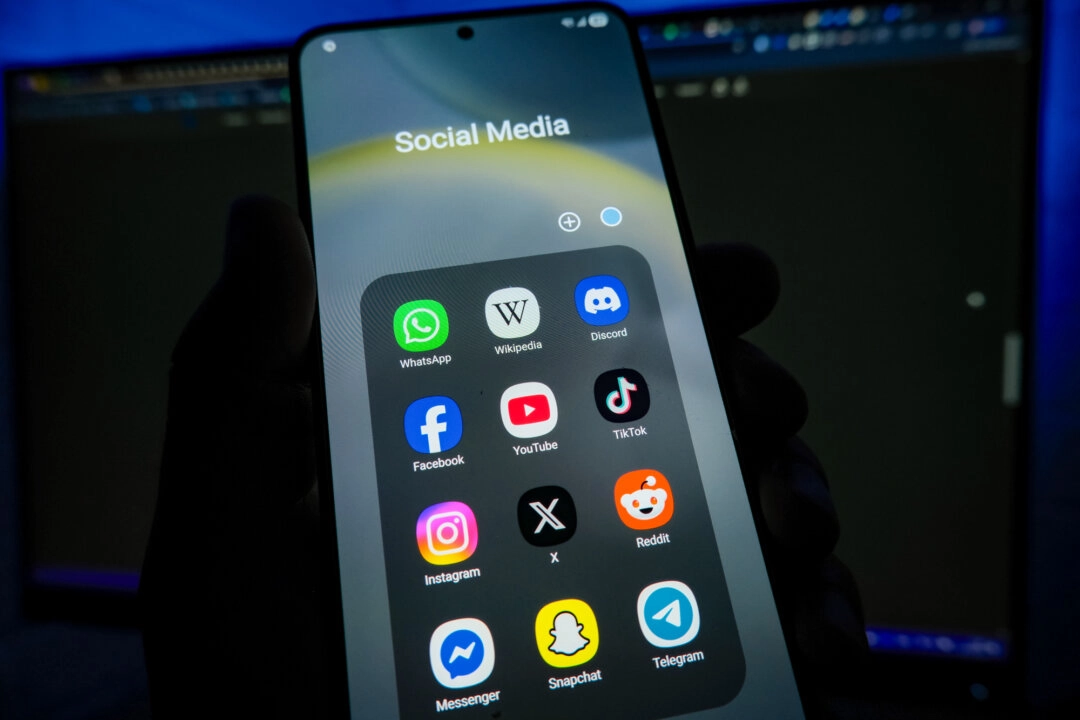
Russian authorities have blocked access to WhatsApp, intensifying the Kremlin’s campaign to enforce domestic internet regulations on foreign technology companies. The move follows fresh restrictions imposed on Telegram earlier in the week, signaling a broader effort to reshape the country’s digital communication landscape.
Kremlin spokesperson Dmitry Peskov confirmed that the decision was implemented due to what officials described as Meta’s failure to comply with Russian law. He suggested that citizens transition to MAX, a state-backed messaging application that integrates various government services.
Compliance Dispute With Meta
WhatsApp’s parent company, Meta, has faced mounting regulatory scrutiny in Russia for months. Officials have accused the company of refusing to establish sufficient legal representation in the country and failing to share data with law enforcement in cases related to fraud and terrorism.
Russian regulators argue that foreign-owned platforms must adhere to domestic requirements governing data protection, content moderation, and cooperation with security agencies. WhatsApp, like several other Western platforms, has been repeatedly fined for allegedly failing to remove prohibited content.
In response to the latest block, WhatsApp stated on social media that the action was intended to steer users toward a government-controlled alternative. The company warned that cutting off private and encrypted communication channels could undermine safety and privacy for millions of users.
Rise of the MAX App
The Kremlin has promoted MAX as a secure and efficient domestic alternative. Officials describe the app as a tool designed to streamline access to public services and enhance communication within the country. Critics, however, have characterized MAX as a potential surveillance mechanism, an allegation the government firmly rejects.
Digital rights advocates say the transition away from foreign platforms could increase state oversight of online conversations. The Russian government maintains that compliance with national law is non-negotiable and that foreign firms must operate within established legal frameworks.
Despite the official block, some users continue accessing WhatsApp through virtual private networks (VPNs), which allow individuals to bypass geographic restrictions. Russian authorities have also targeted VPN services in recent years, attempting to limit their effectiveness.
Telegram Under Scrutiny
Telegram, founded by Russian-born entrepreneur Pavel Durov, is also facing regulatory pressure. Roskomnadzor, Russia’s communications watchdog, has imposed limits on Telegram’s voice and video calling features, citing similar compliance concerns.
Roskomnadzor alleges that Telegram and other messaging platforms have failed to implement adequate measures to combat fraud, extremism, and misuse of personal data. Officials have announced further restrictions unless the company addresses alleged violations.
Durov has publicly criticized the crackdown, asserting that Telegram remains committed to user privacy and free expression. Drawing parallels to previous attempts by other governments to restrict the platform, he argued that suppressing communication tools often fails to achieve the intended outcome.
Telegram has previously experienced a temporary ban in Russia in 2018 after refusing to provide encryption keys to authorities. That effort proved ineffective and was eventually lifted in 2020 following partial cooperation on extremism-related issues.
Legal and Financial Pressures
Russian courts have issued multiple fines against both WhatsApp and Telegram for noncompliance. According to state media reports, Telegram faces additional legal cases that could result in significant financial penalties. Authorities are also reportedly pursuing enforcement of earlier unpaid fines.
WhatsApp has been urged to establish a local representative office in Russia, a requirement under legislation aimed at ensuring foreign tech companies maintain a physical presence within the country.
Beyond messaging apps, Russia has already blocked Facebook and Instagram and restricted access to YouTube. These measures form part of a broader strategy to regulate digital platforms amid ongoing geopolitical tensions and domestic security concerns.
Broader Implications
Telegram remains widely used across Russia by citizens, media outlets, and government agencies alike. Military bloggers and frontline correspondents have also relied heavily on the platform for updates related to the war in Ukraine.
The evolving regulatory landscape reflects a continuing shift toward digital sovereignty policies within Russia. Authorities argue that enforcing domestic standards ensures public safety and national security. Opponents counter that restrictions limit freedom of expression and access to independent communication tools.
Meta, valued at over a trillion dollars globally, has not indicated whether it will adjust its approach to regain access to the Russian market. Kremlin officials have stated that compliance with local legislation is the sole pathway to lifting restrictions.