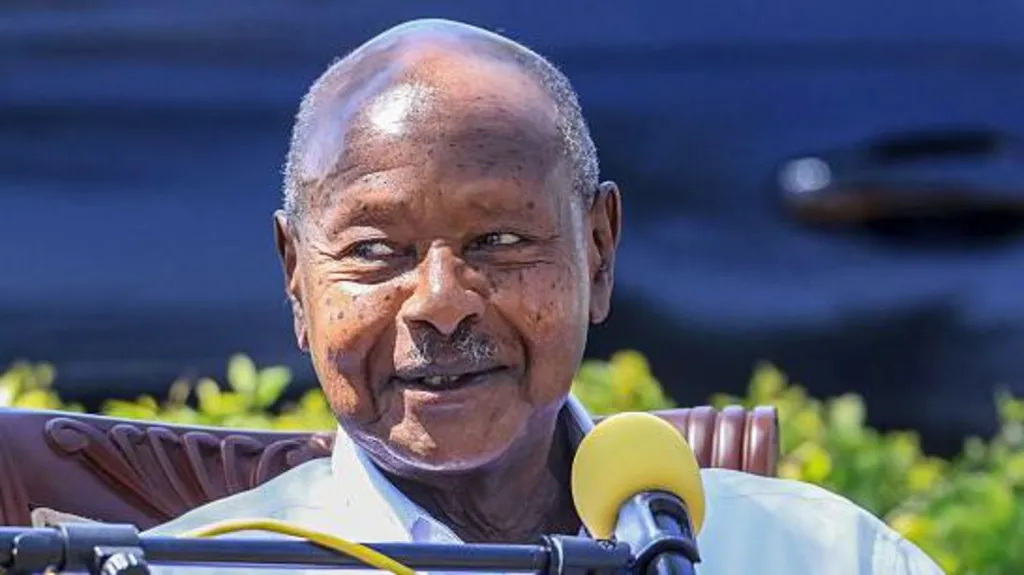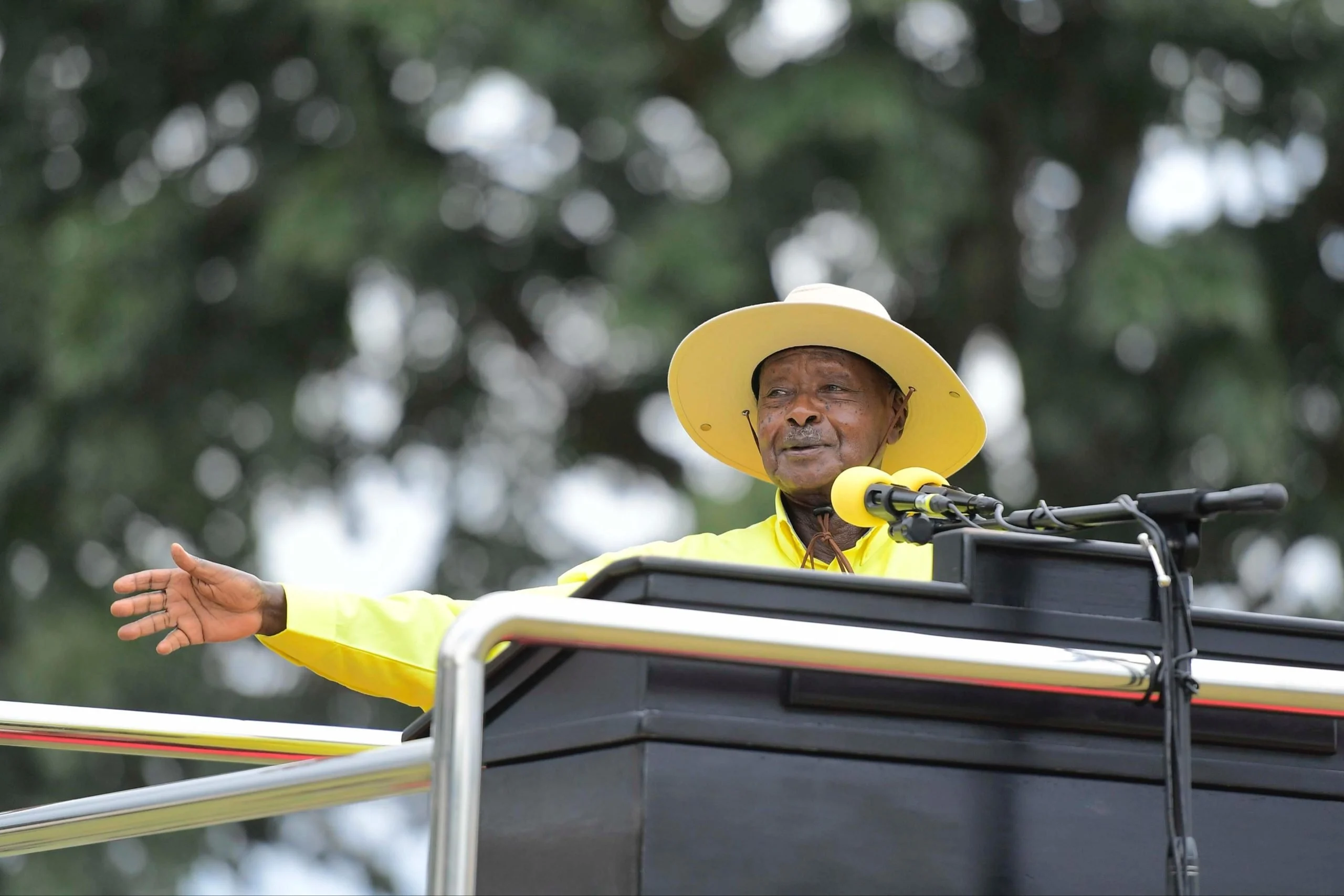
For nearly four decades, Yoweri Museveni has remained the central figure in Uganda’s politics, defying demographic shifts, social transformation, and the rise of new political forces. Since taking power in 1986 and entering multiparty electoral politics a decade later, Museveni has consistently reinvented his political coalition, allowing him to dominate elections even as the country around him has changed profoundly.
Uganda today is younger, more urban, and more connected than at any point in its history. Yet despite these changes—and persistent questions over the credibility of elections—Museveni continues to win decisively. His success lies not in static popularity, but in a flexible political strategy that adapts to shifting realities.
From Revolutionary Leader to Electoral Powerbroker
Museveni’s rise to power came through armed struggle, not the ballot. When his National Resistance Movement seized control in 1986, Uganda was emerging from years of instability and violence. Museveni built legitimacy by restoring security, rebuilding state institutions, and projecting himself as a reformer committed to African self-reliance.
When Uganda returned to elections in 1996, Museveni transformed from revolutionary commander into electoral strategist. His early victories relied heavily on his image as a stabiliser and unifier, especially in rural areas still traumatised by past conflicts.
Demographic Change and a Youthful Nation
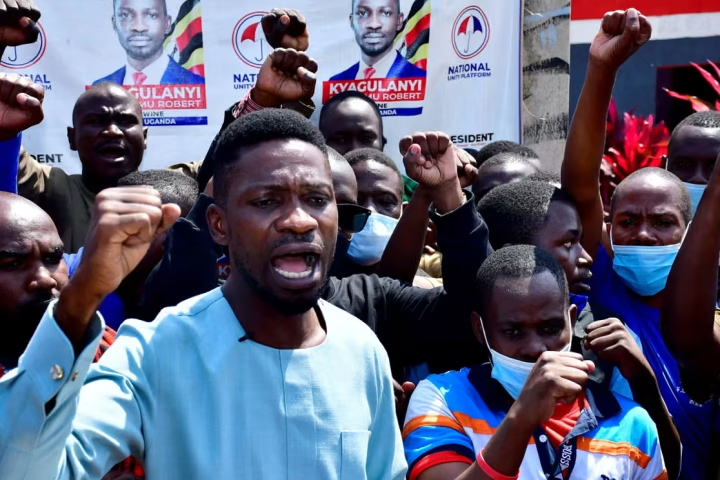
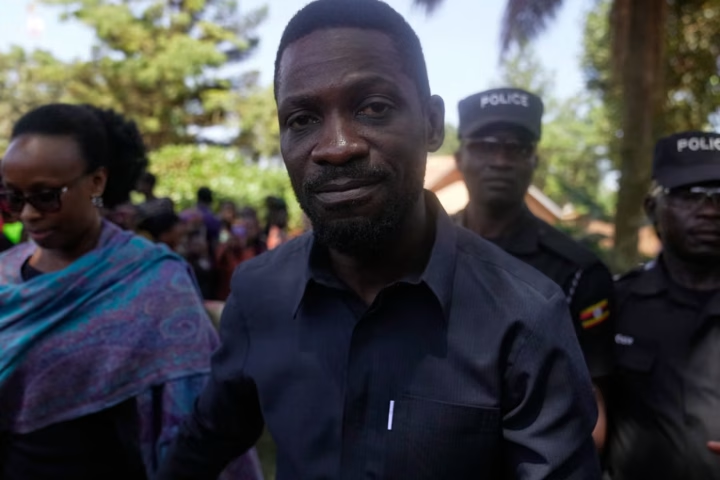
One of the most striking changes in Uganda has been population growth. The country’s population has more than doubled since Museveni came to power, with a majority now under the age of 30. This youth bulge has reshaped political discourse, creating space for challengers like Bobi Wine, who speaks directly to urban youth frustrations around unemployment, corruption, and political exclusion.
Rather than confront this demographic shift head-on, Museveni has selectively accommodated it. He has co-opted youth leaders, expanded patronage programs, and positioned himself as a guarantor of future opportunity—while simultaneously relying on security institutions to limit the political impact of youth-driven opposition movements.
Regional Balancing and Coalition Remaking
Museveni’s electoral dominance also rests on careful regional calculations. Uganda’s political map has evolved through decentralisation, the creation of new districts, and shifting regional alliances. Each election cycle, Museveni recalibrates his support base, rewarding loyal regions with infrastructure projects, cabinet appointments, and development funding.
This strategy has allowed him to blunt opposition advances in specific areas by consolidating margins elsewhere. Even when urban centres trend against him, strong rural turnout—where the ruling party maintains deep organisational reach—has consistently delivered national victories.
The Power of the State and Institutional Advantage
Another key pillar of Museveni’s electoral success is incumbency itself. Control over state institutions gives the ruling establishment significant advantages, from mobilisation capacity to media access and security enforcement. The Electoral Commission, police, and military all play visible roles during election periods, often to the disadvantage of opposition candidates.
International observers and rights groups have repeatedly raised concerns about uneven playing fields, intimidation, and restrictions on opposition campaigning. Yet Museveni has framed these measures as necessary for stability, particularly in a region affected by conflict and extremism.
Narrative Control and Stability Messaging
Museveni has remained remarkably consistent in one core message: that he is the only leader capable of guaranteeing Uganda’s stability. He contrasts his long rule with chaos elsewhere in the region, warning that political change could reverse hard-won gains.
This narrative resonates strongly with older voters and rural communities, who associate Museveni’s tenure with peace after decades of turmoil. Even critics acknowledge that fear of instability remains a powerful electoral motivator.
Adapting to Opposition Without Losing Control
Opposition movements have grown stronger, more organised, and more popular—especially in cities. Instead of ignoring them, Museveni has adapted by tightening legal frameworks, regulating political activity, and selectively engaging opposition figures through dialogue or co-optation.
At the same time, constitutional changes removing presidential age and term limits have ensured Museveni remains eligible to contest elections indefinitely. These legal adjustments, though controversial, have been central to maintaining his grip on power.
Why Museveni Still Wins
Museveni’s continued victories are not the result of a single factor, but a layered strategy: rural mobilisation, regional balancing, institutional dominance, and adaptive coalition-building. He has repeatedly reshaped his political base to absorb pressure while neutralising threats.
Uganda has changed dramatically since 1986—but so has Museveni’s approach to power. His ability to evolve faster than the opposition, while retaining control of the state, explains why he continues to win elections in a country that looks increasingly different from the one he first ruled.
Looking Ahead
As Uganda’s population grows younger and more connected, the gap between generational expectations and political reality is widening. Whether Museveni’s model of coalition remaking can endure indefinitely remains an open question. What is clear is that his dominance has been neither accidental nor static—it has been carefully constructed, maintained, and adjusted over time.
For now, Uganda’s changing political landscape continues to orbit around a leader who has mastered the art of surviving change.