Uganda’s ruling party, the National Resistance Movement (NRM), has confirmed that 17 of its candidates have secured parliamentary seats unopposed ahead of the 2026 general elections. The announcement signals an early advantage for the party as the country moves closer to polling day.
Party officials say the unopposed victories span several constituencies across the country. In each case, no rival candidates submitted nomination papers within the legally required period. As a result, the affected candidates automatically claimed their seats in Parliament, in line with Uganda’s electoral laws.
How the Unopposed Seats Were Secured
According to the National Resistance Movement, the 17 MPs-elect met all nomination requirements set by the Electoral Commission of Uganda. No opposition or independent candidates challenged them during the nomination window.
Electoral laws in Uganda allow candidates to win unopposed when no competitors emerge. Once the nomination process closes, the Electoral Commission formally declares such candidates elected. This process removes the need for voting in those constituencies.
Early Parliamentary Advantage for NRM
The unopposed victories give the NRM a guaranteed bloc of seats even before voters cast ballots in contested areas. Political observers say this development strengthens the party’s numerical position in Parliament at an early stage.
Analysts argue that such outcomes reduce campaign pressure in those constituencies. They also allow the ruling party to redirect campaign resources to more competitive races across the country.
Impact on Parliamentary Decision-Making
Political analysts say unopposed wins help consolidate the ruling party’s influence in Parliament. A strong early majority can shape legislative priorities, committee leadership, and voting outcomes once the new Parliament convenes.
Some analysts also note that unopposed seats reduce uncertainty for the ruling party. This stability allows party leadership to plan legislative strategy well in advance of the official swearing-in of MPs.
Broader Electoral Landscape
The confirmation of the unopposed seats comes as Uganda enters a critical phase of the 2026 election cycle. Campaigns continue nationwide for constituencies where multiple candidates remain in the race.
NRM officials describe the unopposed outcomes as evidence of grassroots support. Opposition figures, however, often attribute such results to organizational strength, incumbency advantages, and local political dynamics.
Role of Party Structure and Incumbency
Observers say the NRM’s long-standing presence in many constituencies plays a key role in unopposed victories. Strong party structures at village and district levels often discourage challengers from entering races they view as unwinnable.
Incumbent MPs also benefit from name recognition and access to party networks. These factors can deter potential rivals, especially in rural constituencies where political competition remains uneven.
Electoral Commission Preparations Continue
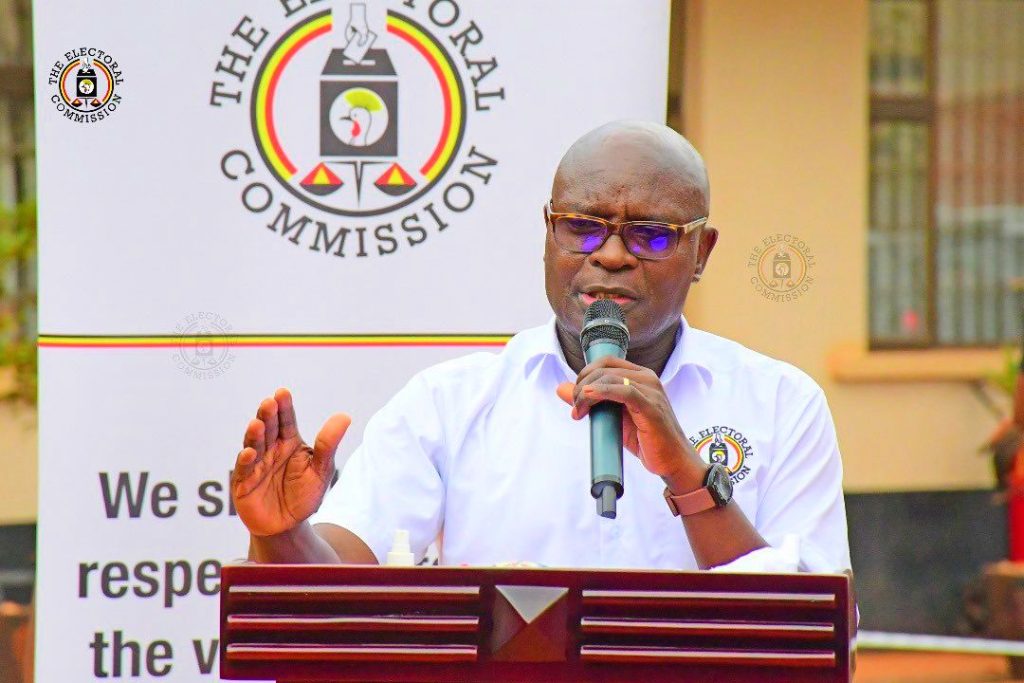
As the NRM secures early parliamentary seats, the Electoral Commission continues preparations for voting in contested constituencies. The commission has reiterated its commitment to delivering a free, fair, and credible election.
EC officials have urged candidates, voters, and party agents to follow electoral guidelines. They have also emphasized the importance of peaceful campaigns and respect for electoral laws.
National Political Context
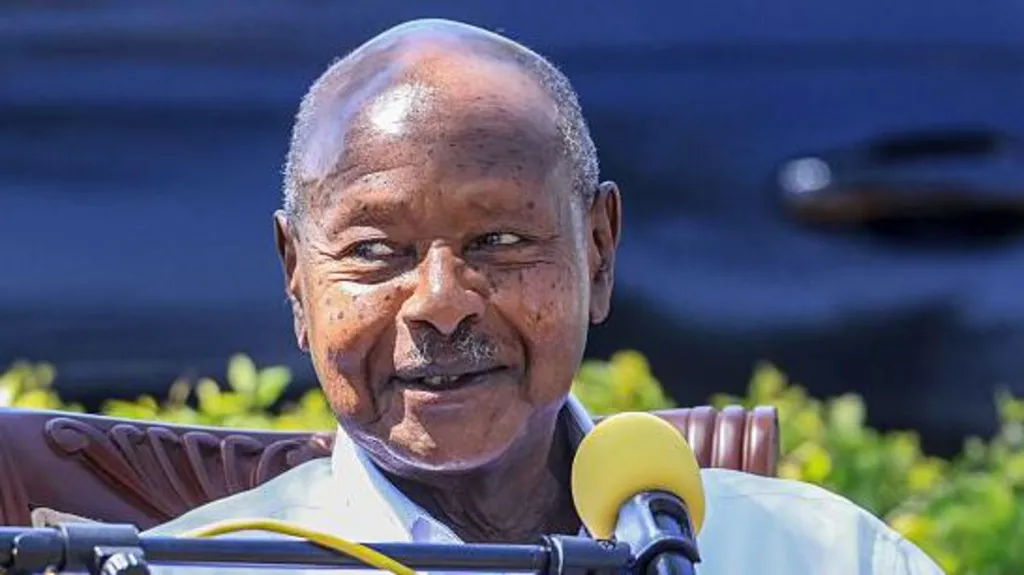
The parliamentary developments unfold alongside a highly watched presidential race. President Yoweri Kaguta Museveni remains the NRM’s flag bearer, while opposition parties intensify their campaigns across the country.
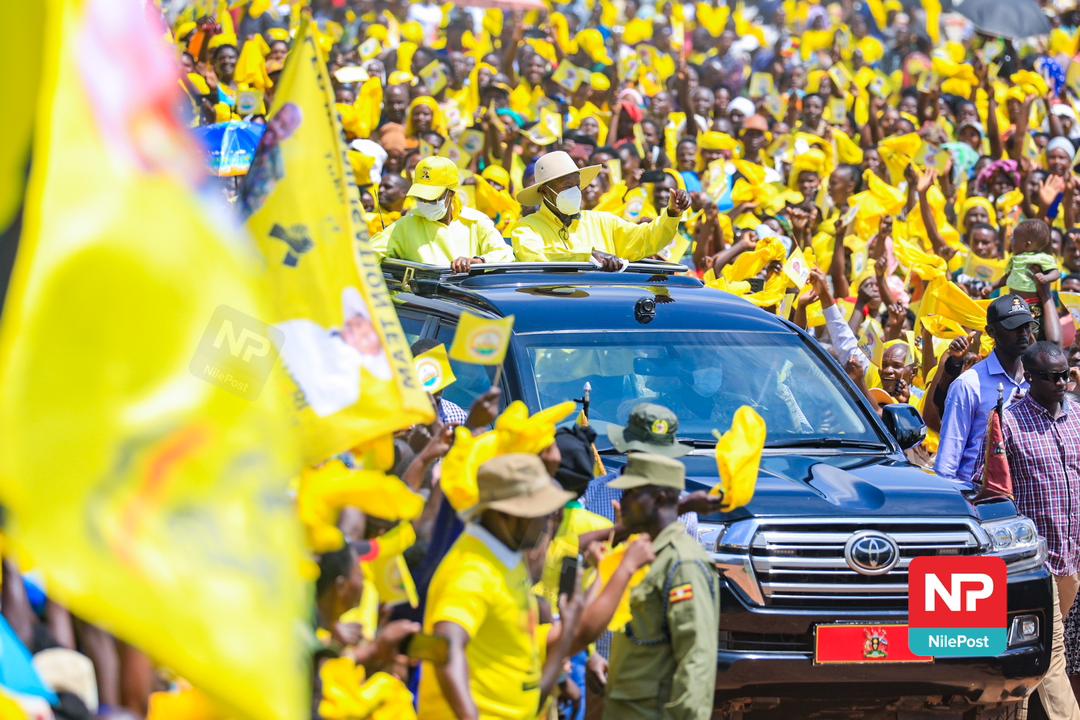
Scenes of the president and First Lady Janet Kataaha Museveni arriving in Bushenyi earlier this week highlighted the ruling party’s ongoing mobilization efforts ahead of polling day.
Analysts Weigh In on Democratic Competition
Some political analysts argue that unopposed seats raise questions about the depth of political competition in certain areas. They say robust democracy thrives on contested races and voter choice.
Others counter that unopposed victories reflect political realities on the ground. In their view, voters and aspirants make strategic decisions based on local support and party strength.
What Comes Next
With the unopposed MPs confirmed, attention now shifts to constituencies where races remain competitive. Campaign activities continue as candidates seek voter support ahead of election day.
As Uganda approaches the 2026 polls, the early confirmation of parliamentary seats underscores the strategic positioning of the ruling party. The final composition of Parliament, however, will only become clear once voting concludes in all contested constituencies and the Electoral Commission declares final results.