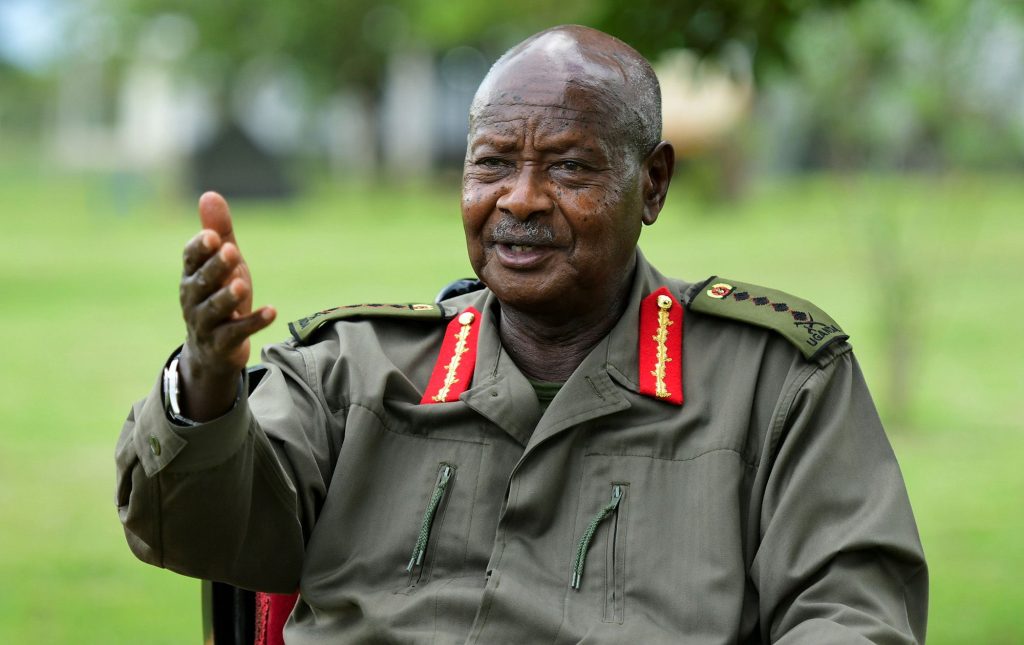
Ugandans are preparing to vote in a presidential election that is expected to result in President Yoweri Museveni extending his nearly four-decade-long rule into a fifth decade. The campaign, however, has been beset by violent crackdowns on opposition supporters, internet shutdowns, and widespread allegations of state-sponsored repression. With Museveni, 81, seeking his seventh term, the election has become a high-stakes test of political stability, democratic integrity, and Uganda’s future political direction.
Bobi Wine: The Main Challenger in a Polarized Election
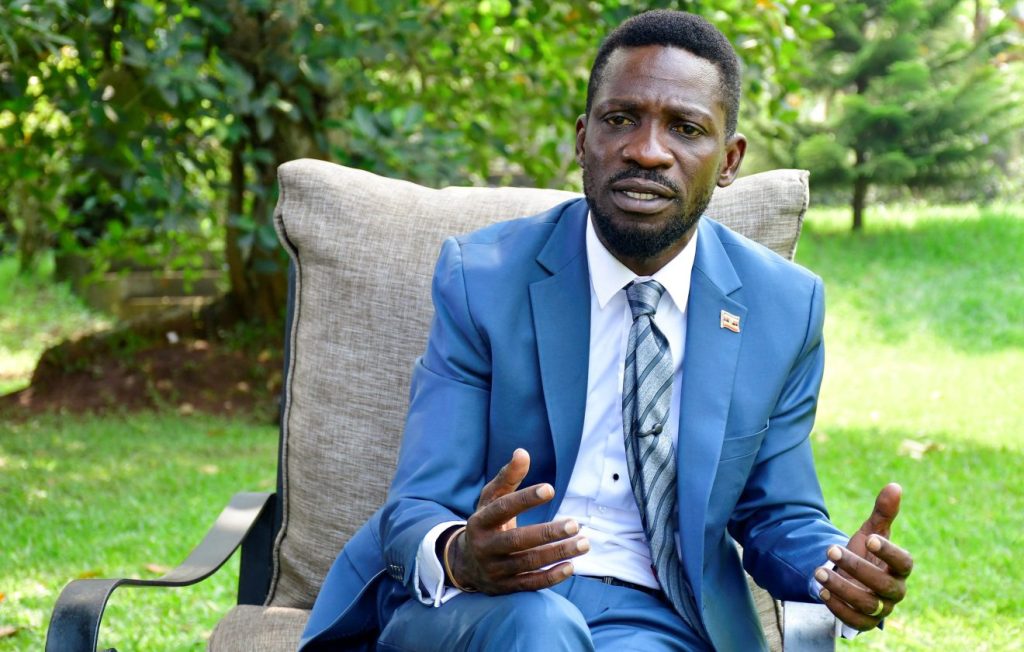
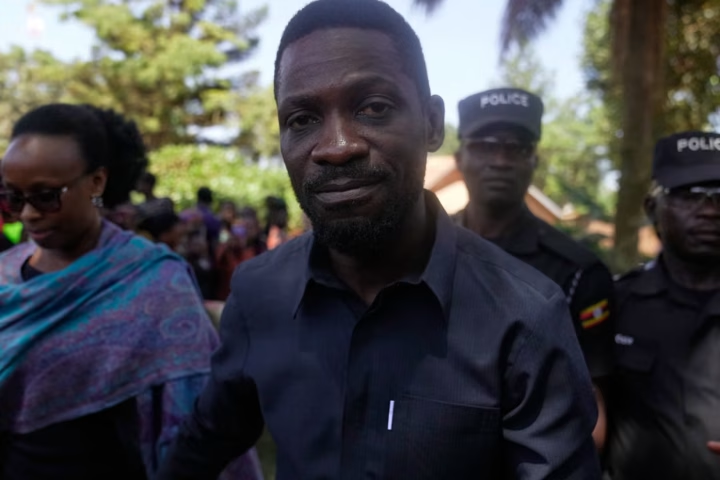
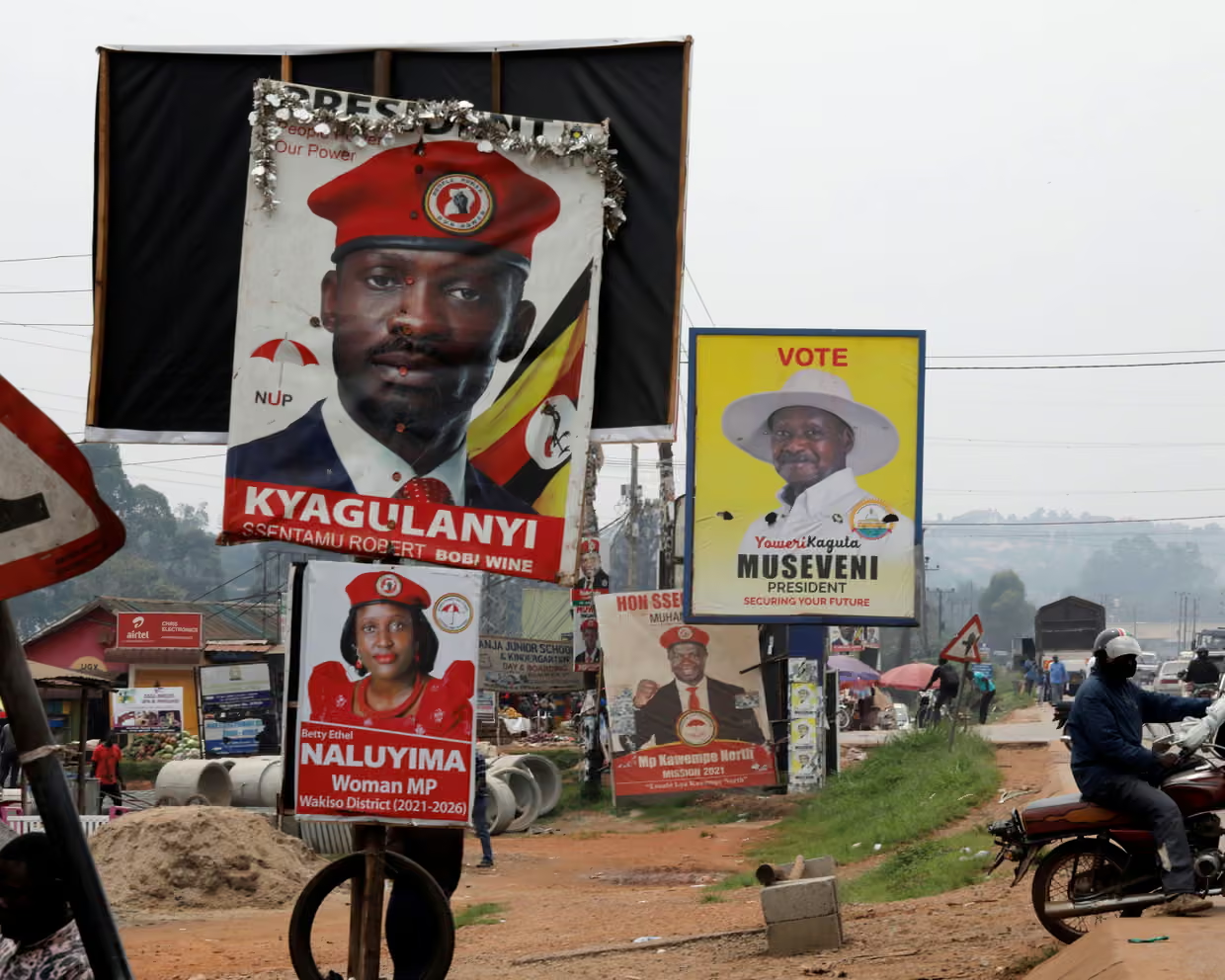
The main challenger to Museveni is Robert Kyagulanyi, better known by his stage name, Bobi Wine. A pop star turned politician, Bobi Wine represents the National Unity Platform (NUP), and his campaign has mobilised the youthful, disenfranchised electorate who are disillusioned with the current regime. Uganda’s population is predominantly young, with more than 70% under the age of 30, and Bobi Wine’s message of change resonates deeply with voters frustrated by high unemployment, economic instability, and political stagnation.
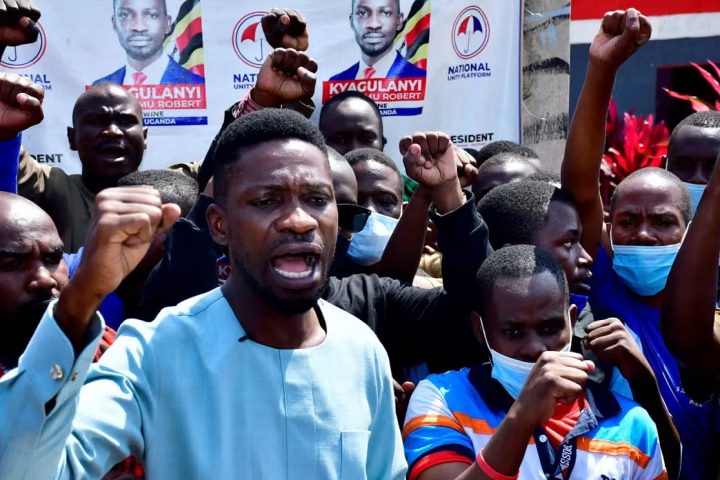
Wine’s campaign, however, has faced intense resistance from Museveni’s government. Since the beginning of the campaign, his rallies have been repeatedly disrupted by security forces, who have used tear gas, live ammunition, and arbitrary detentions to suppress his supporters. While the level of violence has not yet reached the deadly proportions of the 2021 elections, the repressive tactics have escalated, creating an atmosphere of fear and uncertainty.
Repression and Violence Mark Campaign
The election period has been characterised by widespread repression, particularly targeted at opposition figures and civil society groups. Police and military forces have frequently clamped down on Bobi Wine’s supporters, including the use of tear gas and bullets at his rallies. At least one person has been killed, and hundreds detained in what many opposition members believe are politically motivated arrests. In a stark sign of the government’s heavy-handed approach, the government shut down internet access and restricted mobile phone services nationwide just days before the election, further complicating efforts to document abuses and mobilise supporters.
The UN Human Rights Office has condemned the election environment, citing widespread repression and intimidation. The office warned that the election would unfold under conditions that undermine both the freedom of expression and the right to vote.
Electoral Violence and Political Polarisation
Political violence has long been a feature of Ugandan elections, but this year, the tactics have become more systematic and militarised. Museveni’s son, Muhoozi Kainerugaba, who serves as the head of Uganda’s military, has openly threatened Bobi Wine, with remarks about beheading him and even publicly admitting to the abduction and torture of Wine’s bodyguard, Edward Ssebuufu. While many of these threats have not materialised, they have set the stage for a campaign marked by increasing militarisation and political polarisation.
David Lewis Rubonyoya, the Secretary-General of NUP, commented that, although the violence has not yet reached the deadly scale of 2021, the tactics have evolved. “The first month [October] was less violent, but after that, it became chaotic and violent,” Rubonyoya stated. Many analysts agree that this cycle of repression reflects the state’s deep fear of the growing opposition, particularly Bobi Wine’s influence among young voters.
A Glaring Divide: Museveni’s Long Rule and the Youth’s Desire for Change
Museveni’s leadership is often credited with bringing relative stability to Uganda after years of civil war. Museveni took power in 1986 after a five-year rebel war, and during his rule, Uganda has seen significant economic growth, especially in sectors like agriculture and infrastructure. However, his rule has also been marked by accusations of corruption, authoritarianism, and the curtailing of judicial independence.
Critics argue that Museveni has become increasingly autocratic, especially in recent years. His constitutional amendments to remove age and term limits have allowed him to extend his presidency indefinitely. This move has led to widespread accusations of entrenching dictatorship and stifling democratic progress.
Despite Museveni’s claims of bringing “peace and stability,” there is growing disenchantment among Ugandans, particularly younger citizens, about the future of the country. Many young Ugandans feel disillusioned by the lack of opportunity and the absence of political change, which is why Bobi Wine’s candidacy has struck a chord with those who want political renewal.
Museveni’s Stronghold: Economic Promises Amid Corruption Allegations
In his campaign, Museveni has focused on the slogan “protecting the gains,” which is aimed at reassuring voters that his leadership has brought economic progress and national stability. He has promised to continue developing Uganda’s economy, particularly through oil production, which is set to begin later this year, bringing with it the promise of jobs and greater wealth creation.
Supporters of Museveni, like Festus Kezire, an NRM supporter from Serere District, argue that Museveni’s contributions to free education, healthcare, and rural development are key reasons why many voters continue to back him. “He has restored peace and stability,” said Kezire, pointing to Uganda’s ability to attract foreign investment and its strategic role in regional peacekeeping operations, particularly in Somalia.
Despite these achievements, Museveni’s administration has been marred by corruption scandals, including allegations surrounding land grabs and misuse of government funds. As Uganda approaches its oil-driven economic growth, the government’s ability to ensure the equitable distribution of wealth will be put to the test.
Succession Plans: The Museveni Dynasty?
In addition to the election itself, succession politics looms large. Many Ugandans speculate that Museveni is grooming his son, Muhoozi Kainerugaba, as his successor. Kainerugaba, the current military chief, has publicly expressed his political ambitions, making statements that align with Museveni’s political legacy. This has raised concerns within Uganda’s political elite about the potential for a dynastic leadership and further entrenchment of Museveni’s power.
While Museveni has denied grooming Kainerugaba to succeed him, analysts note that the growing public prominence of Muhoozi signals a potential future conflict within the ruling party, especially if factions within the National Resistance Movement (NRM) begin to question Museveni’s political longevity.
What Lies Ahead: Museveni’s Seventh Term?
Despite the repression, violence, and electoral irregularities, political analysts predict that Museveni will likely secure a seventh term in office. However, the political climate in Uganda remains volatile, and Bobi Wine’s campaign has highlighted the growing dissatisfaction with Museveni’s leadership among the younger generation.
Analysts are also paying close attention to how the election results will impact Uganda’s future political landscape. With over 21.6 million registered voters, the election will not only determine the next president but also indicate the strength of the opposition movement and its ability to mobilise post-election resistance.