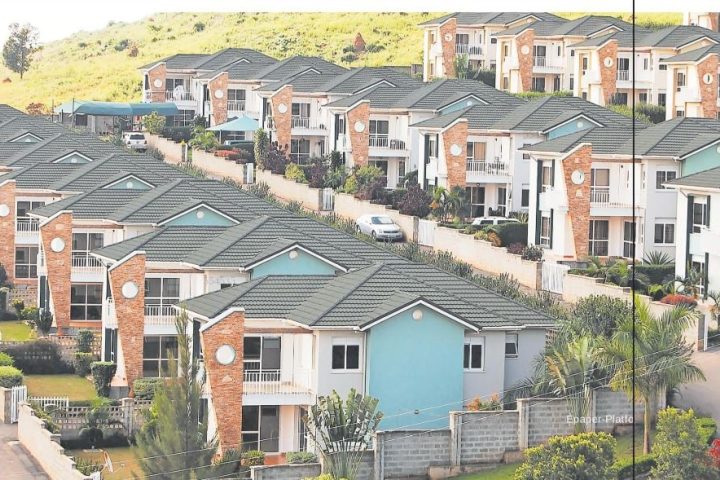
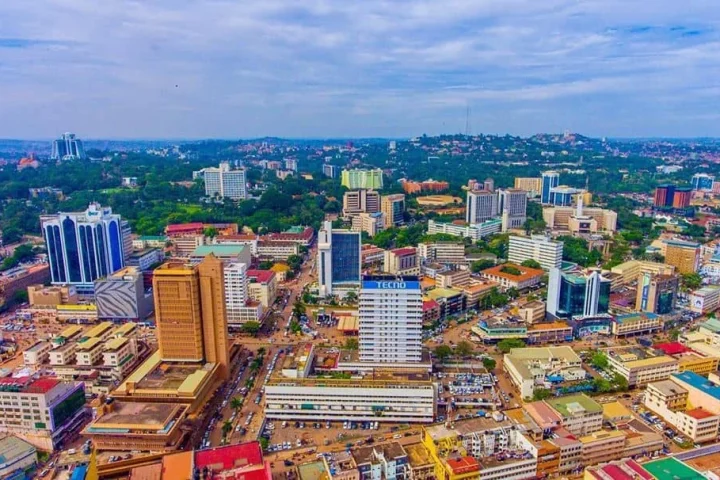
A new report from the Uganda Bureau of Statistics (UBOS) has revealed a staggering economic divide across the country, with poverty levels ranging from just 1.1% in Kampala to a shocking 74.2% in Karamoja.
The Uganda National Household Survey (UNHS) 2023/2024, released on May 16, 2025, paints a sobering picture of inequality in the country. Conducted from March 2023 to February 2024, the survey offers detailed insights into poverty, health, education, employment, and overall living standards.
“This report provides crucial data for evidence-based national planning,” said Dr. Chris Mukiza, Executive Director of UBOS, at the launch event held at Hotel Africana.
Unequal Growth: Kampala vs. Karamoja
While Uganda’s national poverty rate stands at 20.3%, the benefits of economic growth remain unevenly distributed. The Central region reports a poverty rate of 9.8%, the Western region 14.5%, while the Northern and Eastern regions report 42.1% and 35.7%, respectively.
Karamoja, however, stands out with the highest poverty rate at 74.2%, compared to Kampala’s 1.1% — a 73.1-percentage-point gap. This sharp contrast marks one of the most severe regional disparities in East Africa.
Approximately 8.3 million Ugandans still live below the poverty line, with nearly 60% of them concentrated in the Northern and Eastern regions, which only make up 38% of Uganda’s population.
Actionable Data for Local Solutions
According to Dr. Albert Byamugisha, Chairman of the UBOS Board, the latest survey is groundbreaking because it provides district-level data. This means policymakers can now tailor interventions by region, gender, and age, ensuring more inclusive development planning.
“This is how we make sure no one is left behind,” Byamugisha said.
From Data to Impact: Government Response
Hon. Amos Lugoloobi, Minister of State for Finance, Planning, and Economic Development, stressed the importance of turning these statistics into tangible progress.
“Development isn’t about numbers. It’s about real people — mothers accessing healthcare, youths getting jobs, children completing school, and farmers earning from their work,” he said.
He reaffirmed the government’s commitment to Vision 2040, Uganda’s long-term development blueprint, which aims to transform all Ugandans from subsistence to commercial livelihoods.
“This transformation cannot happen without reliable data,” Lugoloobi concluded.
Conclusion
The UNHS 2023/2024 is the eighth major national household survey by UBOS since 1999, reinforcing its role in shaping national development strategies. But the message this year is clear: to close the economic gap, Uganda must translate data into decisive, regionally tailored action.https://x.com/StatisticsUg/status/1945815529387651239