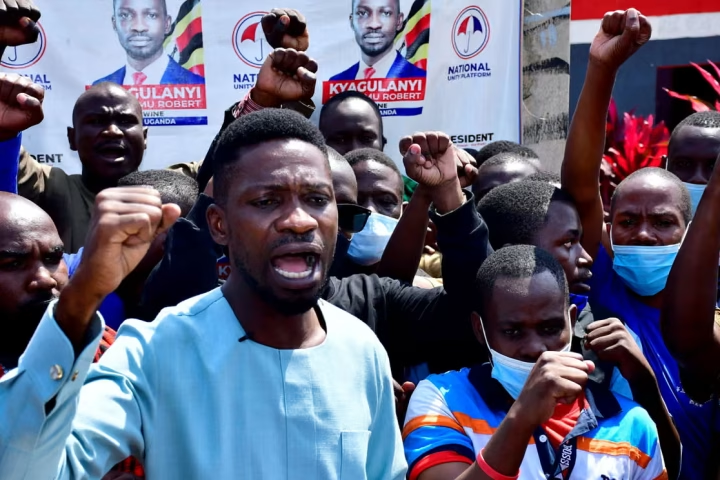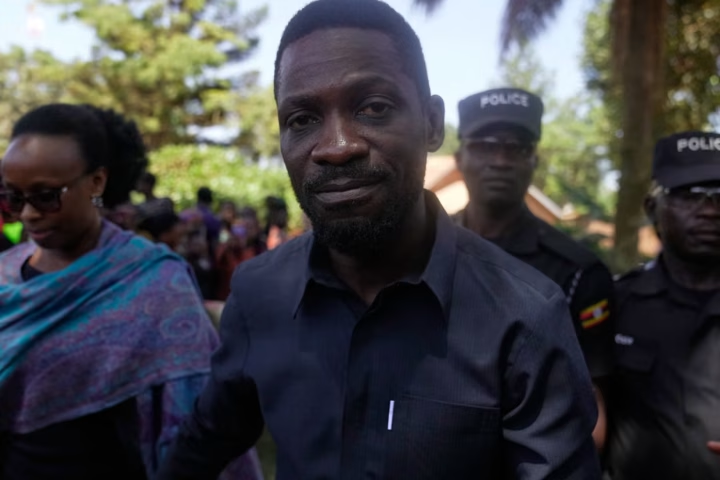
Ugandan opposition leader Bobi Wine has raised serious allegations of electoral misconduct as the country began voting on Thursday, claiming widespread ballot stuffing and the arrest of several National Unity Platform (NUP) officials. Wine’s accusations follow a tense election day, marked by internet shutdowns, delays in voting, and technical failures.
In a statement shared on X (formerly Twitter), Wine alleged that state agencies were interfering with the electoral process and targeting his party members. He said that the government’s decision to shut down internet services on election day prevented both citizens and international observers from witnessing the events unfolding across the country.
Widespread Allegations of Irregularities
Wine described the situation as a “massive” electoral failure, alleging ballot stuffing at polling stations nationwide. He claimed that NUP leaders, including the Deputy President for the Western Region, had been arrested, while several polling agents and supervisors had been “abducted” or chased away from polling stations.
“The world needs to know what is happening in Uganda on Election Day,” Wine wrote. “BVVK machines have failed everywhere,” he added, referring to the biometric voter verification kits (BVVK) that he claimed had malfunctioned across the country. This assertion could not be independently verified at the time of publication.
Opposition and Government Tensions Escalate
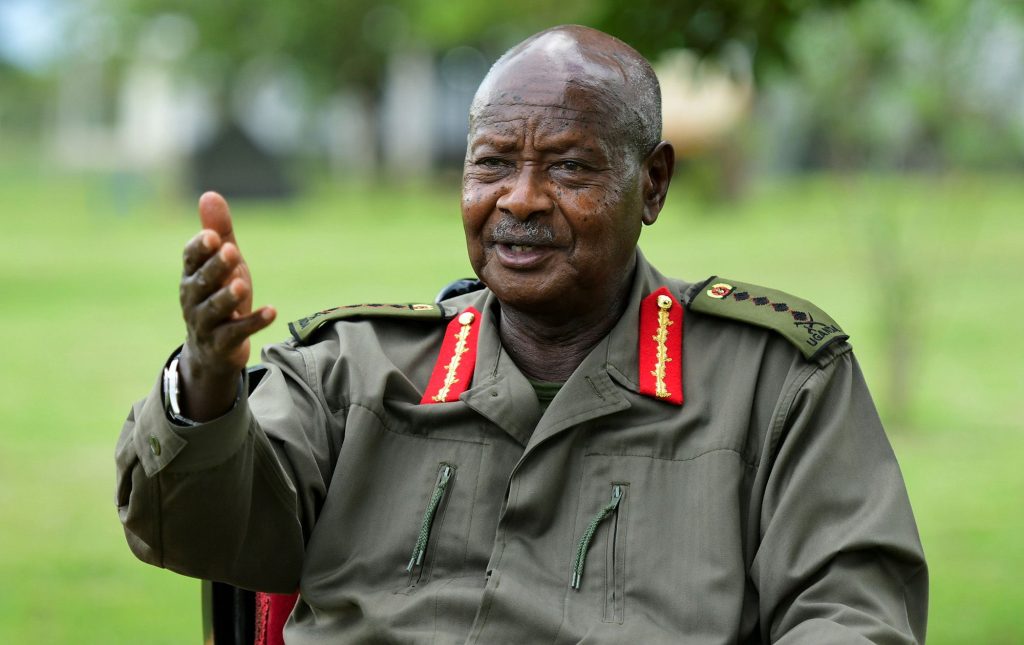
Wine’s claims are not unprecedented in Uganda’s elections, which have previously been marked by allegations of fraud and electoral manipulation. President Yoweri Museveni, who has ruled Uganda since 1986, is seeking a seventh consecutive term in office.
Despite Wine’s vocal opposition, the Ugandan government had not yet responded to the allegations at the time of publication. The country’s law allows for polling hours to be extended in the event of voting disruptions. Simon Byabakama, the Electoral Commission chairperson, assured that polling stations would remain open beyond the official closing time to allow all registered voters who were in line by 4:00 pm to cast their ballots.
Technical Failures Add to Election Day Strain
Voting began early on Thursday, but reports of delays soon emerged from polling stations in Kampala, the country’s capital, as voters grew frustrated over the late start. According to BBC coverage, the delays were linked to failures of biometric identification kits, some of which were compounded by network outages and equipment shortages.
The Electoral Commission issued an apology for the “technical glitches,” promising that efforts were underway to resolve the issues and ensure smooth operations.
Byabakama emphasized that the Electoral Commission’s primary responsibility was to ensure that no voter was disenfranchised due to these failures, ordering the use of the national voters’ register in areas where biometric machines were not functioning.
Internet Shutdown and Its Impact
Amid growing tensions, the Ugandan Communications Commission had imposed an internet blackout ahead of the elections, citing concerns over misinformation, electoral fraud, and the incitement of violence. However, the move was widely condemned by human rights organizations, including the United Nations Human Rights Office, which labeled the shutdown as “deeply worrying.”
What’s at Stake for Uganda?
As Museveni seeks to extend his four-decade-long rule, this election has become a flashpoint for widespread debate about Uganda’s political future. With Bobi Wine emerging as a leading challenger, the election promises to be one of the most contentious in recent history.
Both local and international observers are keenly watching for signs of transparency or further irregularities as the election progresses, with hopes that the full process will be scrutinized to ensure that all Ugandans, regardless of political allegiance, can freely and fairly cast their vote.