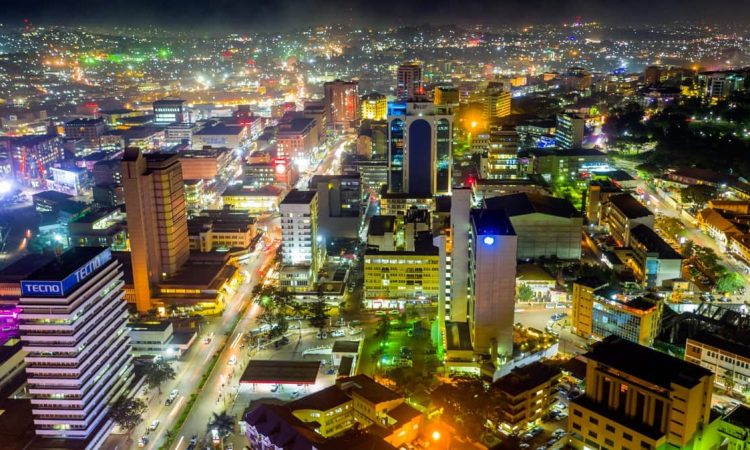
Uganda’s rapid urbanization is creating significant investment opportunities, especially in smaller towns. Civil society groups and real estate experts agree: now is the time to invest before these towns become major hubs.
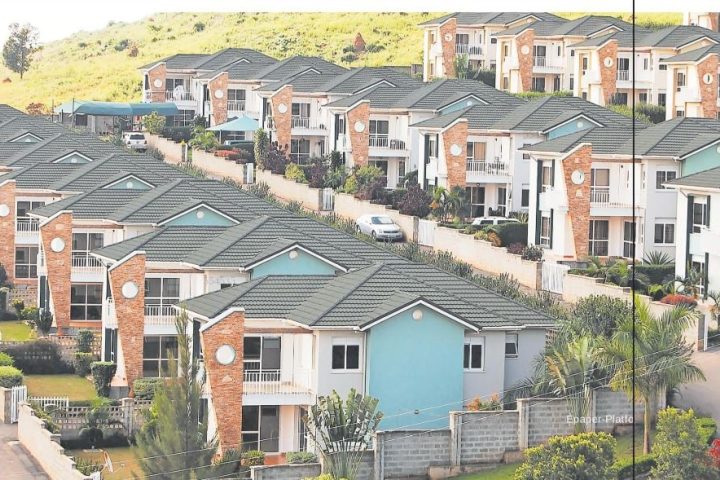
As Uganda’s population grows, more people are migrating from rural areas to urban centers. This movement fuels the demand for rental homes, with a notable shift toward rented properties. According to a study by Broll Uganda, rental housing demand is increasing, a trend driven by rural-urban migration.
The Growing Appeal of Small Towns
Towns like Ngoma and Kapeeka in Nakaseke and Mpara in Kyegegwa show signs of rapid growth. These areas, once considered remote, are thriving thanks to nearby developments like refugee settlements and donor aid. As larger cities become overcrowded and expensive, small towns offer affordable real estate and lower competition, making them prime investment spots.
Small towns are also seeing increasing demand for commercial, residential, and hospitality properties, making them attractive to first-time investors. With lower land prices, more affordable construction costs, and a growing economy, the potential for returns is high.
Why Small Town Real Estate Makes Sense
Small towns provide several advantages for investors:
- Affordable Land: Land in small towns is significantly cheaper than in larger cities. Investors can purchase prime land at a fraction of the cost.
- High Rental Yields: Lower costs for land, labor, and materials mean better returns on rental properties. As the population grows, so does the demand for rental homes.
- Less Competition: Fewer investors are targeting small towns, which gives you the opportunity to negotiate favorable deals and maximize returns.
Benefits of Small-Town Living and Tourism
Beyond financial gains, small towns offer a quality of life that big cities can’t match. They are often surrounded by natural beauty, making them ideal for vacation homes and tourism-driven investments. These towns provide a peaceful environment and affordable real estate, perfect for those seeking a break from city life.
Commercial Growth in Small Towns
As small towns develop, the demand for commercial properties grows. New businesses and industrial parks create opportunities for retail spaces, offices, and hotels. These towns are quickly becoming important economic hubs, making them a smart choice for real estate investment.
Lower Operating Costs and Better Returns
The cost of operating in small towns is typically lower. Taxes, maintenance, and labor costs are more affordable, which increases net returns for investors. Additionally, land values in small towns are likely to rise as infrastructure improves, offering strong potential for future capital gains.
Risks of Investing in Small Town Real Estate
Like any investment, real estate in small towns carries risks. The market can be slow-moving, and reselling properties may take longer. Land fraud is also a concern, with some properties tied up in family disputes. It’s crucial to conduct thorough research and seek legal advice when purchasing land.
Infrastructure is another challenge. Many small towns lack roads, water, and electricity. However, as development projects progress, these issues are becoming less of a barrier to growth.