Uganda’s real estate market is on track for major growth in 2025. Urbanization, infrastructure expansion, and evolving buyer needs are the key drivers. As a result, developers and investors have a clear opportunity to meet rising demand and build long-term value.
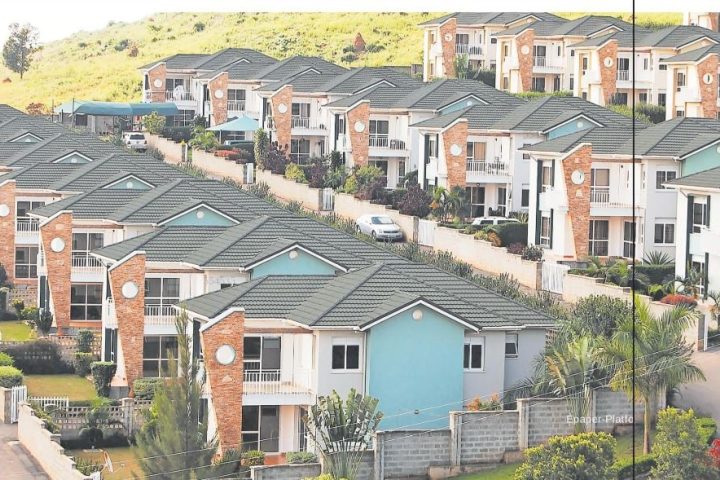
The country faces a housing deficit of over 2.4 million units. Cities like Kampala, Wakiso, and Entebbe continue to grow rapidly. Therefore, Uganda needs 210,000 new homes each year to meet the growing population. To tackle this, developers are creating affordable housing for low- and middle-income earners. For example, Katende Estate on Masaka Road offers titled land at low prices. These projects also include flexible payment options, making homeownership more accessible.
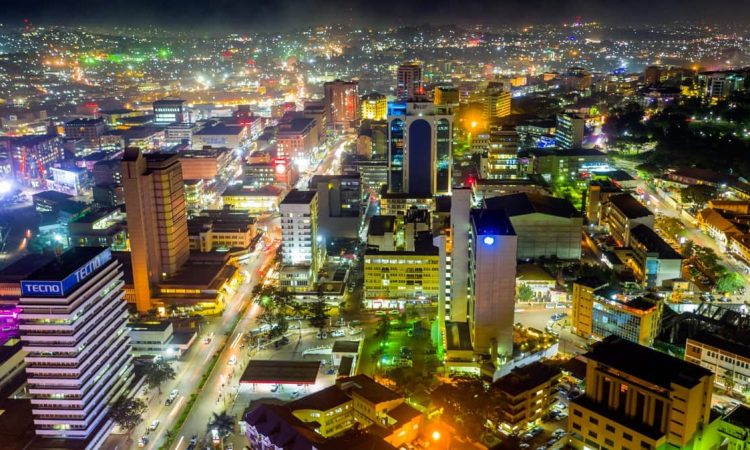
At the same time, mixed-use developments are gaining momentum. These projects combine housing, shopping, and recreation in one place. As a result, they provide convenience and reflect modern urban lifestyles. In 2025, areas such as Nansana and Mukono are likely to attract more of these projects. Homebuyers and investors are drawn to the efficiency and comfort these developments offer.
Infrastructure is also fueling real estate growth. Projects like the Kampala-Jinja Expressway and the AFCON 2027 stadium near Hoima Road are boosting property activity. Land values along Hoima, Entebbe, and Masaka roads are rising. Consequently, developers are securing land in these regions to benefit from the improved access and visibility.
Meanwhile, digital technology is reshaping how real estate works in Uganda. More buyers and sellers use online platforms for property listings, virtual tours, and digital payments. This shift improves transaction speed, convenience, and trust. In 2025, digital tools are expected to dominate the real estate process, especially among younger buyers.
Sustainability is another growing trend. Many homebuyers now prefer properties with solar systems, water-saving devices, and energy-efficient designs. Developers are responding by building eco-friendly homes. These green practices not only reduce environmental impact but also lower utility costs for homeowners.
The rental market continues to expand. Uganda’s urban population is growing at 5.4% annually. This increase creates strong demand for rental housing in Kampala, Wakiso, and other fast-growing towns. Investors are focusing on these areas to generate steady income. Developers who build well-designed rental units in key locations can benefit from this trend.
Several key statistics highlight the potential. Uganda requires 210,000 new housing units each year. Mixed-use projects are expected to increase by 20% in major urban areas. Rental demand will also continue to rise throughout the year.
To succeed, developers should focus on the leading Uganda real estate trends 2025. These include affordable housing, mixed-use developments, rental units in high-demand areas, and eco-conscious construction. Developers who adopt digital tools and choose sites near major infrastructure will gain a competitive edge.
In conclusion, Uganda’s real estate sector in 2025 offers great opportunities. Developers who take strategic action, prioritize innovation, and align with buyer needs will shape a stronger, more sustainable future for the industry.