DRC, M23 Rebels Sign Dual Declarations to Cease Hostilities Following Doha Talks
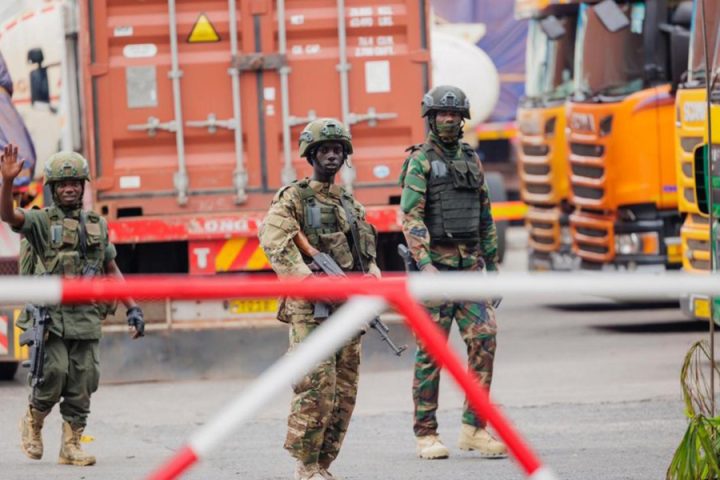
In a major diplomatic breakthrough, representatives from the Democratic Republic of Congo (DRC) and the March 23rd Movement (M23)—now operating under the Alliance Fleuve Congo (AFC)—have issued synchronized declarations from Kinshasa and Goma, committing to an immediate ceasefire and the launch of a peace dialogue.
The declarations follow Qatar-led mediation talks and signal a notable shift in the DRC government’s stance, especially given President Félix Tshisekedi’s longstanding refusal to negotiate with the M23, which he previously branded a terrorist group allegedly backed by Rwanda.
The development comes on the heels of a historic meeting in Doha between Presidents Tshisekedi and Paul Kagame of Rwanda—the first direct engagement between the two since the M23 resurgence in late 2021.
Kabila’s Return and Political Repositioning
Analysts say the recent return of former President Joseph Kabila to eastern Congo has influenced Kinshasa’s evolving position. Kabila’s political re-engagement in his traditional strongholds suggests a broader realization that the threat to national unity may be more complex than previously assumed.
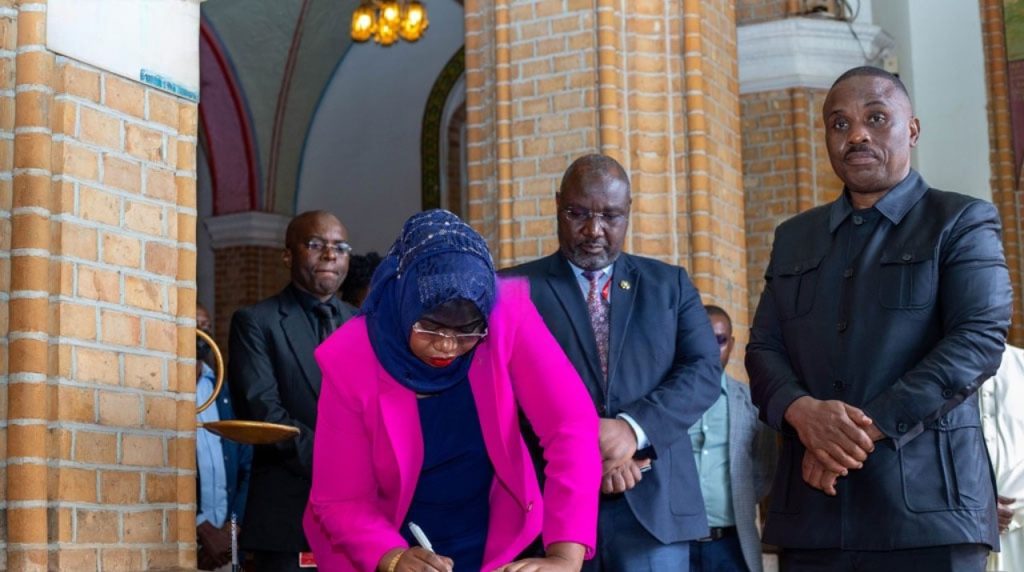
The declarations were signed by Papy Mbuyi Kangulu on behalf of the DRC in Kinshasa and by Lawrence Kanyuka, AFC spokesperson, in Goma. Both sides pledged to:
- Cease all hostilities immediately
- Reject hate speech
- Engage local communities to support the peace process
“The parties commit to working toward a lasting truce that can reinforce the effectiveness of this ceasefire,” the documents stated.
Humanitarian and Regional Stakes
Since M23 re-emerged in 2022, the conflict has displaced over 1.5 million civilians and heightened regional tensions due to accusations of foreign involvement, particularly from Rwanda. Although optimism is cautiously emerging, experts warn that previous peace attempts through the Luanda and Nairobi frameworks were short-lived due to lack of enforcement and mutual trust.
The declarations also emphasize the need to address the root causes of conflict in eastern DRC, calling for structured dialogue and long-term solutions.
International Mediation and Future Prospects
Both the DRC and AFC extended formal gratitude to Qatar for mediating the peace process and urged religious leaders, civil society, and media to support the call for peace and reconciliation.
Observers note that the success of this ceasefire will hinge on tangible implementation, regional cooperation, and genuine political will from all parties involved. While skepticism remains, the declarations are viewed as a significant step toward de-escalating one of Africa’s most protracted conflicts.