Constipation during Ramadan is a common problem many people experience while fasting. Changes in meal timing, reduced water intake, and eating fewer fiber-rich foods can slow digestion. As a result, the digestive system may struggle to function normally during the fasting period.
However, Constipation During Ramadan can be prevented with proper dietary choices and healthy habits. By adjusting what you eat at suhoor and iftar, drinking enough fluids, and maintaining physical activity, you can support your digestive health throughout the month.
Drink Enough Water Between Iftar and Suhoor
Dehydration is one of the main causes of Constipation During Ramadan. Because fasting limits drinking during the day, many people fail to consume enough fluids at night.
Therefore, it is important to drink water consistently between iftar and suhoor. Instead of drinking a large amount at once, spread your water intake throughout the evening.
Aim to drink at least 6 to 8 glasses of water during non-fasting hours. In addition, soups and fruits with high water content can also help maintain hydration.
Eat Fiber-Rich Foods
Fiber helps food move smoothly through the digestive system. When your diet lacks fiber, stools can become hard and difficult to pass.
To prevent Constipation During Ramadan, include high-fiber foods in your meals. These include fruits, vegetables, whole grains, and legumes.
Good examples include apples, dates, bananas, oats, brown rice, lentils, and leafy vegetables. Eating fruits at iftar or after dinner can also support digestion.
Do Not Skip Suhoor
Skipping suhoor may seem convenient, but it can worsen Constipation During Ramadan. The pre-dawn meal provides the body with nutrients that support digestion throughout the day.
A balanced suhoor meal should include fiber, protein, and healthy fats. For example, you can eat whole-grain bread, eggs, yogurt, and fruits.
Because fiber absorbs water, combining fiber-rich foods with adequate hydration helps prevent digestive discomfort.
Avoid Excess Processed Foods
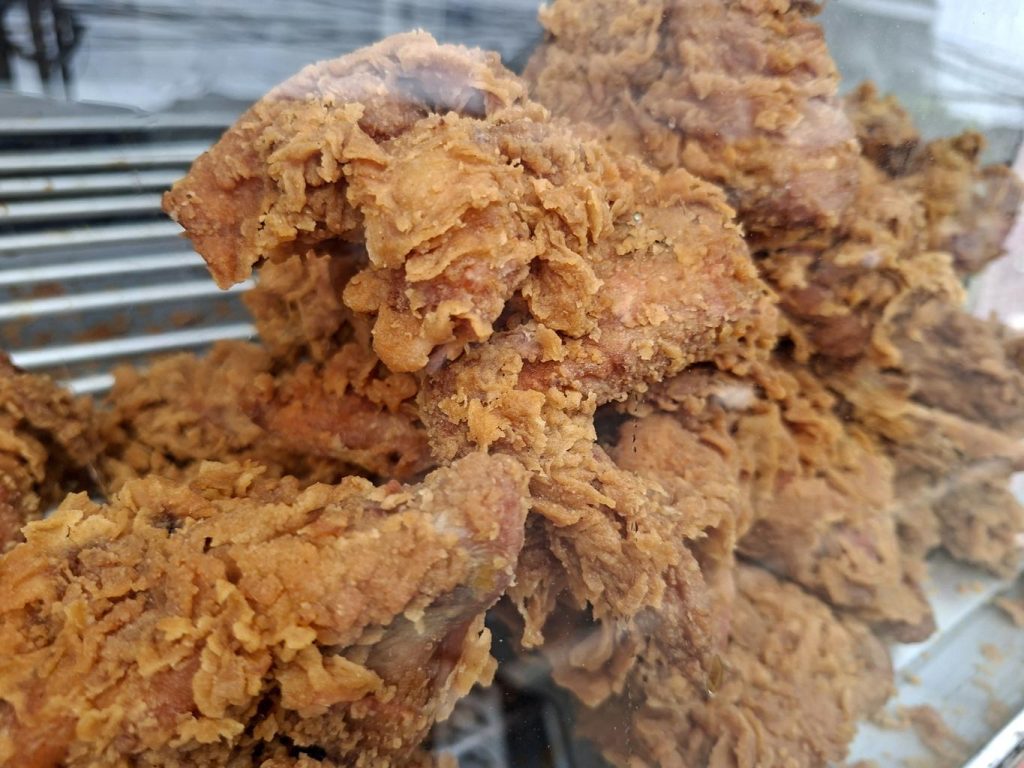
Many traditional iftar meals include fried or processed foods. While these foods may taste good, they can slow digestion and contribute to Constipation During Ramadan.
Foods high in fat and low in fiber take longer to digest. Therefore, try to limit deep-fried snacks and heavily processed meals.
Instead, choose balanced dishes with vegetables, whole grains, and lean protein. These foods support healthy digestion and provide lasting energy.
Stay Physically Active
Physical activity stimulates the digestive system and helps prevent constipation.
Even light exercise after iftar can improve bowel movement. A short walk after dinner can help the body process food more efficiently.
Regular movement supports digestion and reduces the risk of Constipation During Ramadan.
Include Natural Digestive Foods
Certain foods naturally support digestive health. Dates, yogurt, prunes, and figs can help regulate bowel movements.
Probiotic foods such as yogurt support healthy gut bacteria. Meanwhile, fruits rich in natural fiber help soften stools and improve digestion.
Adding these foods to your iftar or evening snacks can reduce the risk of digestive discomfort.
Manage Portion Sizes
Eating large meals quickly at iftar can overwhelm the digestive system. As a result, digestion slows down and discomfort may occur.
Instead, start with light foods such as dates and soup. Then wait a few minutes before eating the main meal.
This gradual approach allows the body to adjust and improves digestion.
Constipation During Ramadan often results from dehydration, low fiber intake, and sudden dietary changes. However, simple lifestyle adjustments can prevent the problem.
Drinking enough water, eating fiber-rich foods, maintaining physical activity, and choosing balanced meals can help keep digestion healthy throughout the fasting period.
With the right habits, you can enjoy a comfortable and healthy Ramadan while avoiding digestive issues.