Uganda, known as the “Pearl of Africa,” is one of the most diverse and beautiful countries on the African continent. From the misty mountains of the southwest to the vibrant savannas of the east, Uganda offers an abundance of natural wonders, wildlife, and cultural experiences. Whether you’re planning a wildlife safari, trekking to see mountain gorillas, or exploring the country’s stunning landscapes, understanding the best time to visit Uganda is essential to making the most of your trip.
In this article, we will guide you through Uganda’s climate and weather patterns, highlight the best times to visit for different activities, and offer tips to help you plan your perfect trip to this extraordinary country.
Uganda’s Climate Overview
Uganda enjoys a tropical climate, characterized by its proximity to the equator. The country has two distinct rainy seasons, with some variations depending on the region. Overall, the climate is pleasant, with temperatures generally ranging from 20°C (68°F) to 30°C (86°F) throughout the year. However, specific regions of Uganda experience different weather patterns, and the best time to visit may vary depending on your travel goals.
Rainy and Dry Seasons
Uganda experiences two primary rainy seasons:
- The long rainy season (March to May): This period brings heavy rainfall across the country, particularly in the central, western, and southern regions.
- The short rainy season (October to November): This is a brief, less intense rainy period, though it still brings showers to many areas.
The dry seasons are more favorable for outdoor activities like safaris and trekking, as they offer more predictable weather and better conditions for wildlife viewing. The two main dry seasons are:
- The first dry season (December to February): This period is warm and dry, making it a great time for trekking, wildlife safaris, and exploring Uganda’s national parks.
- The second dry season (June to September): This is the cooler dry season, with more comfortable temperatures for outdoor activities and excellent conditions for gorilla trekking.
Best Time to Visit Uganda for Different Activities
1. Gorilla Trekking
If you’re planning to trek to see the iconic mountain gorillas in Bwindi Impenetrable National Park or Mgahinga Gorilla National Park, the best time to visit is during the dry seasons, particularly from June to September and December to February. During these months, the trails are more accessible, and the rainforests are less muddy, making your trek more comfortable and less physically demanding.
While gorilla trekking is possible year-round, the dry seasons offer better weather conditions, reducing the likelihood of heavy rains that could disrupt your trek. Booking your gorilla trekking permit in advance is essential, as the number of permits is limited to protect the gorillas and their environment.
2. Safari Adventures in Uganda’s National Parks
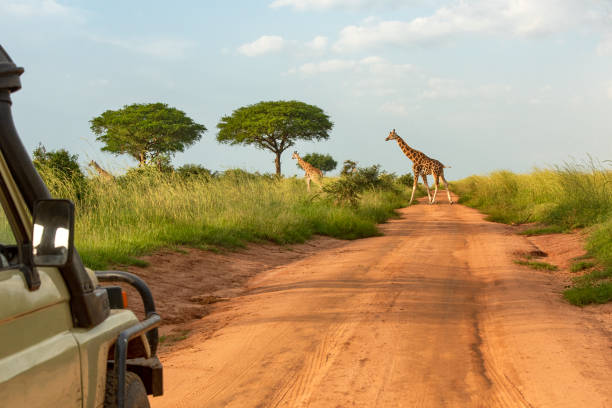
Uganda’s national parks, such as Queen Elizabeth National Park, Murchison Falls National Park, and Kidepo Valley National Park, are prime safari destinations. For the best safari experience, visiting during the dry seasons is ideal.
- June to September and December to February: These months offer excellent weather for game drives, as animals are easier to spot. The dry conditions force animals to gather around water sources, making it easier to see a variety of wildlife, including elephants, lions, giraffes, and buffaloes.
While the dry seasons are optimal for wildlife viewing, the wet months of March to May and October to November can be a good time for birdwatching, as migratory birds are more abundant during these periods. However, keep in mind that rain can make roads more difficult to navigate and reduce your chances of seeing large herds of animals.
3. Hiking and Trekking in the Rwenzori Mountains
The Rwenzori Mountains, also known as the “Mountains of the Moon,” offer some of the most challenging and rewarding trekking experiences in Uganda. For hiking enthusiasts, the best time to visit is during the dry seasons, particularly from June to September. The weather during this period is generally more favorable for trekking, with less rain and more manageable trails.
The March to May rainy season can make trekking more difficult, as the trails become muddy and slippery, and the weather can be unpredictable. However, if you’re up for an adventurous challenge, the offseason trekking can still offer an incredible experience, albeit with more demanding conditions.
4. Visiting Uganda’s Lakes and Waterfalls
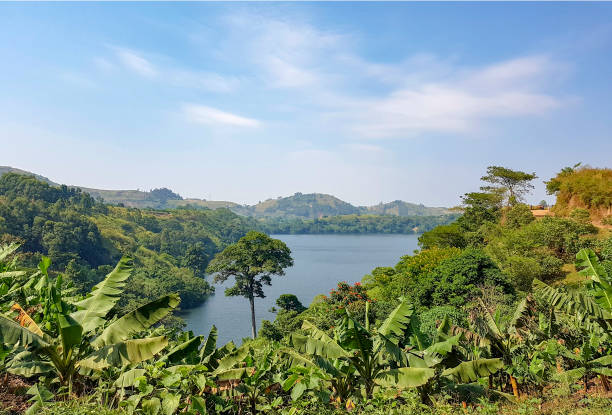
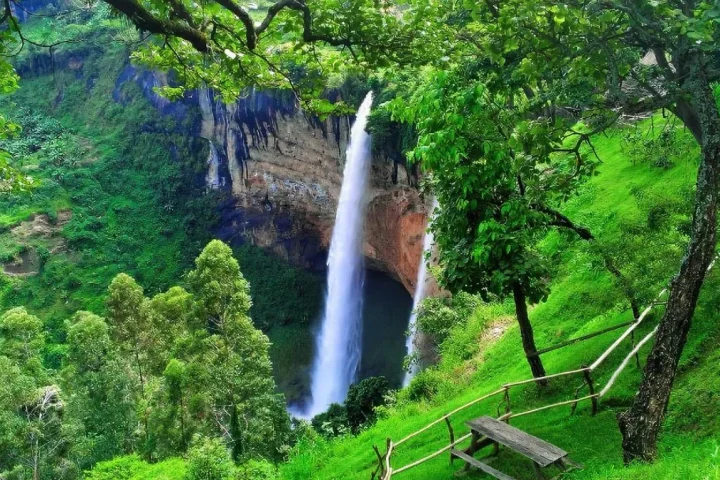
Uganda is home to several beautiful lakes, including Lake Victoria, Lake Mburo, and Lake Albert, as well as stunning waterfalls like Murchison Falls. The best time to visit these areas is generally during the dry season, from December to February and June to September.
The dry months are ideal for boat safaris, fishing, and exploring lakeshores. However, even during the rainy season, the beauty of Uganda’s lakes and waterfalls remains captivating, and the landscapes are often lush and vibrant. If you’re looking to avoid the crowds, visiting during the short rainy season (October to November) can be a peaceful and scenic time to explore.
5. Cultural and Community Tours
Uganda’s cultural diversity offers a rich experience for visitors interested in exploring traditional life, arts, and local communities. Cultural tours can be enjoyed year-round, as Uganda’s festivals, dances, and cultural celebrations are spread throughout the year. However, the dry seasons offer more predictable weather, which is better for outdoor cultural experiences and visits to remote villages.
Tip:
Consider visiting Kampala, Uganda’s vibrant capital, during the dry season, as this is when cultural festivals and local events, such as the Uganda Martyrs Day Celebrations and the Kampala City Festival, take place.
What to Pack for Your Trip to Uganda
No matter the time of year, it’s essential to pack wisely for your Uganda adventure. The country’s diverse landscapes and varying weather conditions mean you’ll need a range of clothing and equipment:
- Light, breathable clothing for warm days (preferably quick-drying fabrics).
- Sturdy hiking boots and waterproof gear for trekking in the rainforests or mountains.
- Binoculars and a camera for wildlife viewing and birdwatching.
- Sunscreen, insect repellent, and a hat for protection against the sun and mosquitoes.
- A good rain jacket if you’re visiting during the rainy season.
Conclusion
Uganda offers a wealth of natural beauty and exciting outdoor activities, making it a top destination for travelers seeking a unique African adventure. The best time to visit largely depends on your interests, whether it’s gorilla trekking, wildlife safaris, hiking, or simply exploring the vibrant culture of the country. While the dry seasons (June to September and December to February) are generally the most favorable for outdoor activities, Uganda’s charm remains year-round.
By understanding Uganda’s climate and choosing the right time to visit, you can ensure a memorable and fulfilling travel experience in this incredible country. With its rich wildlife, stunning landscapes, and welcoming communities, Uganda truly has something for every traveler.