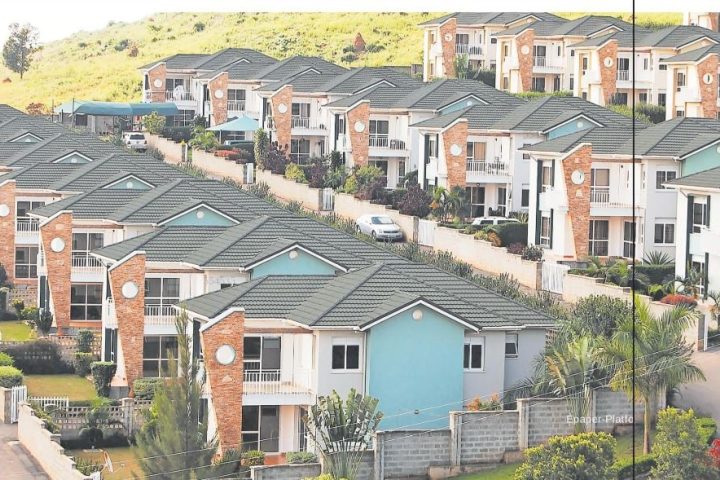
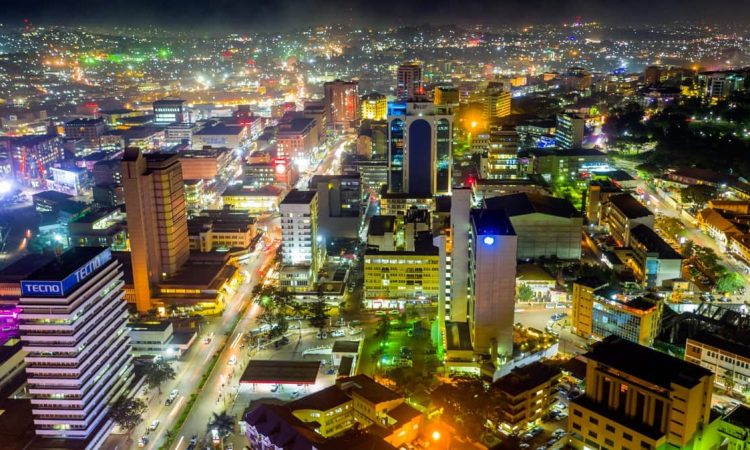
Uganda real estate prices are projected to increase in 2025, fueled by a combination of economic growth, urbanisation, infrastructure upgrades, and foreign investment. Major cities such as Kampala, Entebbe, and Jinja are expected to lead this trend as demand for housing and commercial property strengthens.
Economic Growth and Urbanisation
Uganda’s economy is expected to continue growing steadily, which could improve consumer confidence and boost real estate demand. A stronger economy allows more individuals to afford property purchases, particularly in urban centers.
As Uganda’s middle class expands, more people seek quality housing, increasing the demand for modern and affordable homes. Analysts believe this rising demand will play a key role in driving prices upward.
Urbanisation also continues to shape the property market. More Ugandans are relocating from rural to urban areas in search of better opportunities. This migration puts pressure on housing supply, especially in fast-growing cities like Kampala, leading to upward pricing trends.
Infrastructure Development Boost
The Ugandan government has ramped up efforts to enhance infrastructure, a move that is expected to further influence Uganda real estate prices. Improved road networks, public transport systems, and access to utilities tend to increase property values in affected regions.
For instance, road expansions and new public transport routes in and around Kampala could make surrounding areas more accessible and desirable. As these upgrades take effect, both residents and investors are likely to find properties in those zones more appealing.
A spokesperson from the Uganda Ministry of Housing confirmed that infrastructure development is central to their urban planning strategy. “Infrastructure enhancements are a key factor in attracting real estate investment,” they noted, emphasizing the government’s long-term commitment to supporting the sector.
Foreign Investment Trends
Uganda has also taken proactive steps to attract foreign investment into its real estate sector. Through tax incentives and streamlined approval processes, the government hopes to draw international developers and investors.
Foreign investors not only provide capital but also introduce technical expertise, accelerating project timelines and improving construction standards. This infusion of resources contributes to an overall increase in property values and market activity.
Uganda’s relatively stable political climate further supports investment. A stable environment reduces risk, making long-term real estate projects more viable. According to industry analysts, this factor alone has made Uganda an emerging hotspot for real estate investment across East Africa.
Factors That May Slow Growth
Despite the generally positive outlook, certain risks may limit price growth. Inflation remains a major concern. If inflation continues to rise, it could reduce the purchasing power of potential buyers, thereby softening demand.
High interest rates could also impact mortgage affordability. As borrowing costs rise, fewer people may qualify for home loans, reducing buyer activity and slowing price increases.
“Increasing inflation poses a risk to housing affordability,” an industry expert warned. This sentiment suggests that while the market may grow, affordability concerns could temper the pace.
Moreover, infrastructure gaps persist in some regions. Although improvements are underway, areas with poor roads, limited access to electricity, or inadequate water systems may remain unattractive for development. These conditions can prevent property values from rising uniformly across the country.
Outlook for 2025
In summary, Uganda real estate prices are expected to climb in 2025, driven by solid economic fundamentals, improved infrastructure, and foreign investment. However, inflation, high interest rates, and uneven infrastructure could slow this growth in certain areas.
Investors, developers, and policymakers must monitor these balancing forces to ensure sustainable and inclusive real estate growth. The coming year presents both opportunities and challenges as Uganda’s property market continues to evolve.
READ: Best Apartments in Kampala: A Guide to Top Picks for Every Need