The US travel advisory on Uganda has once again placed the country under international scrutiny. Last week, the US State Department issued a new advisory urging American citizens to reconsider travel to Uganda. The advisory cited threats of terrorism, violent crime, political demonstrations, and discriminatory laws targeting the LGBTQ+ community.
“Reconsider travel to Uganda due to crime, terrorism, and laws targeting persons based on sexual orientation,” the statement read. “Exercise increased caution due to potential security risks and the unpredictable nature of public demonstrations, especially as Uganda approaches the January to February 2026 general elections.”
Threat of Terrorism and Public Safety Concerns
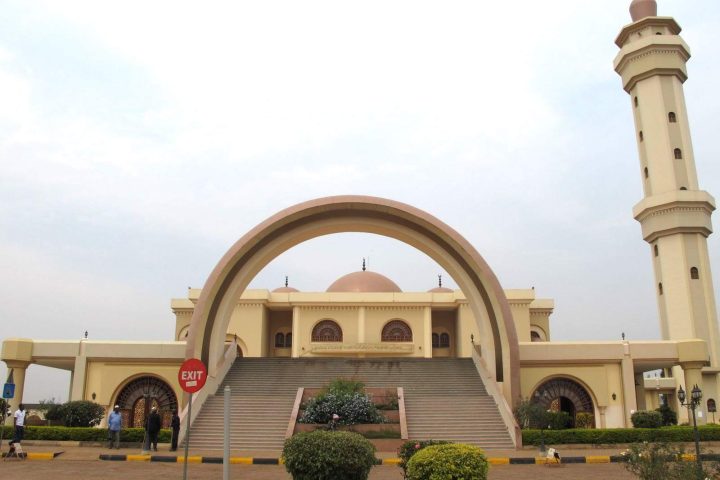
The US State Department warned that terrorists may target religious venues, schools, transportation hubs, government buildings, and tourist sites. While the advisory did not indicate any imminent attack, it stressed the possibility of coordinated violence in public places.
So far, Uganda’s key security agencies—including the Police, Ministry of Foreign Affairs, and Ministry of Security—have not responded to the reported threat. Their silence has left questions about the government’s preparedness and the actual security situation on the ground.
Surge in Violent Crime Cited
In addition to terrorism threats, the advisory paints a grim picture of Uganda’s internal security. It outlines a rise in violent crimes, including armed robberies, sexual assaults, and home invasions. These incidents reportedly occur more frequently in urban areas such as Kampala, Entebbe, and Jinja, as well as in border regions like Karamoja.
“Crime can happen anytime. It is more common in larger cities,” the advisory warned. “Police struggle to respond to serious crimes due to limited resources.”
LGBTQ+ Law and Sanctions
The US also highlighted Uganda’s controversial Anti-Homosexuality Law as a contributing factor to its travel warning. The legislation, enacted two years ago, has led to repeated international backlash, including sanctions.
Notably, US and UK authorities have sanctioned Speaker of Parliament Anita Among and several other Ugandan officials. While the stated grounds included human rights violations and corruption, many observers believe the LGBTQ+ law significantly shaped Western responses.
Political Tension Ahead of 2026 Elections
As Uganda moves closer to the 2026 elections, political tensions are already escalating. Security forces have been accused of violently suppressing opposition activities. A recent by-election in Kawempe North was marred by clashes between civilians and armed forces, with widespread reports of brutality.
The US advisory acknowledged this trend, stating that “protests can occur with little to no warning,” especially around elections. It advised citizens to avoid demonstrations, stay alert, keep a low profile, and refrain from displaying signs of wealth.
The US travel advisory on Uganda adds pressure on the government to address human rights, political freedoms, and national security. Moreover, the timing of the advisory—less than a year to the polls—raises concerns about the credibility and safety of the 2026 electoral process.
With no official response from Ugandan authorities yet, the international community remains watchful. Whether the government will act to counter the narrative or tighten restrictions further is yet to be seen.