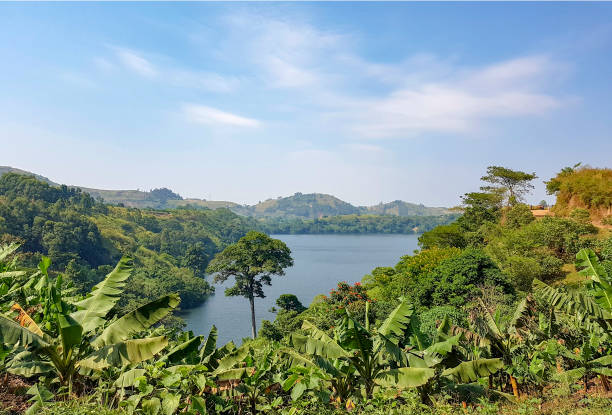
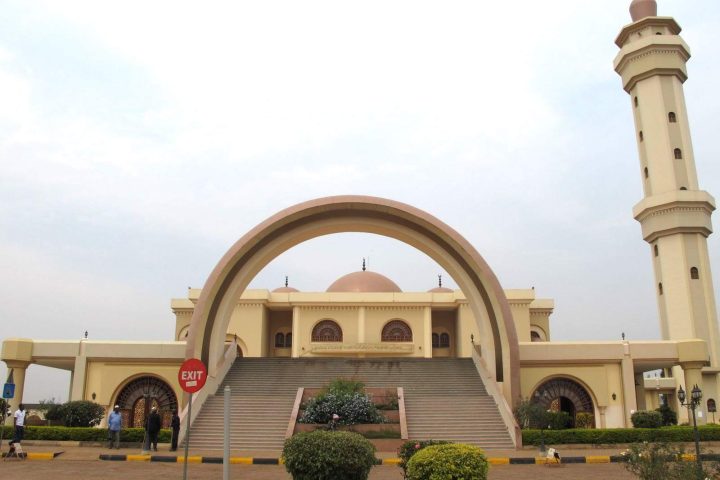
If you’re looking for an affordable adventure, learning how to travel Uganda on a budget is key to experiencing this beautiful country without breaking the bank. Uganda, often referred to as the “Pearl of Africa,” offers a wealth of natural beauty and diverse wildlife, including mountain gorillas in Bwindi Impenetrable National Park, breathtaking landscapes, and vibrant culture. With careful planning, it’s possible to explore Uganda without spending a fortune.
Transport: How to Save on Getting Around Uganda
When traveling on a budget in Uganda, transportation is where you can save a lot. The cheapest way to travel long distances is by local buses. These buses run frequently between towns and cities but don’t follow timetables. They are affordable, costing about 5,000 UGX per hour, and are often filled with local passengers. To board, stand by the roadside and wave at the bus. Don’t forget to confirm the price before getting on!
For getting around in cities like Kampala, consider Boda Bodas (motorcycle taxis). In Kampala, use the SafeBoda app to book a ride—this service works like Uber and ensures a fair price.
For those short on time, renting a car or hiring a driver is the next best option. Renting a car starts at about $40 USD per day for a compact vehicle, but if you’re planning on going on a game drive in national parks, renting a 4×4 vehicle is a good investment to avoid renting additional vans.
Accommodation: Affordable Options for Budget Travelers
When it comes to accommodation, there are several options to suit your budget. The cheapest option is staying in local guesthouses, which are not listed on booking platforms but can be found by asking locals or Boda Boda drivers. These guesthouses are budget-friendly but basic.
For a more comfortable stay, consider campsites. You can bring your own camping gear or rent tents from tour companies, with prices ranging from $5 to $15 per night. For a better hostel experience, there are budget-friendly hostels in popular tourist spots like Kampala. These hostels offer dorm rooms at affordable rates.
Food: Eating Like a Local in Uganda
Uganda’s food scene offers several budget-friendly options. Eating at roadside stalls is the cheapest option, with meals costing under 5,000 UGX. Local restaurants, often referred to as hotelis, offer hearty Ugandan meals for around 5,000–10,000 UGX. These meals typically consist of staples like ugali (maize porridge), matoke (plantains), and groundnut sauce.
For those craving variety, tourist restaurants provide international cuisine for about 20,000–50,000 UGX. However, if you’re on a tight budget, sticking to local eateries is the best way to stretch your travel budget.
National Parks: Costs of Uganda’s Natural Wonders
Visiting Uganda’s national parks, such as Bwindi Impenetrable National Park, comes with a high cost, especially for gorilla tracking permits, which can be expensive. However, if you’re a resident of Uganda or any East African country, you’ll get discounts on park entry fees and permits.
Many tour companies offer the service of securing gorilla tracking permits in advance, though they charge a commission. If you prefer to buy directly from the Ugandan Wildlife Authority (UWA) in Kampala, be prepared to wait in line, especially since permits often sell out months in advance.
Money and Sim Cards: Managing Finances on the Go
To manage your finances, cash and mobile money are commonly used. Uganda’s mobile money services, such as MTN Mobile Money or Airtel Money, are very convenient for quick payments and transfers. Having a local SIM card ensures that you have access to affordable data, helping you plan your trips and navigate the country.
Additional Budget Tips for Uganda
- Tips and Tipping: Even though you’re on a budget, don’t skip tipping! Tipping can make a big difference for local workers and is appreciated, especially in the tourism industry.
- Travel Insurance: Always get comprehensive travel insurance before your trip. Medical care can be costly, and insurance can provide coverage for unexpected expenses.
- Staying Safe: While Uganda is relatively safe, always keep your belongings secure and be cautious in busy areas, especially markets and bus stations.
Conclusion
In summary, traveling Uganda on a budget is possible with a bit of planning and local insight. By using public transport, staying in local guesthouses, eating where the locals eat, and managing your finances with mobile money, you can have an affordable yet memorable Ugandan adventure. With its diverse wildlife, welcoming locals, and stunning scenery, Uganda offers something for every type of traveler.