The International Monetary Fund has advised Japan to continue tightening monetary policy and resist proposals to reduce its consumption tax, cautioning that fiscal loosening could weaken the country’s ability to withstand future economic shocks.
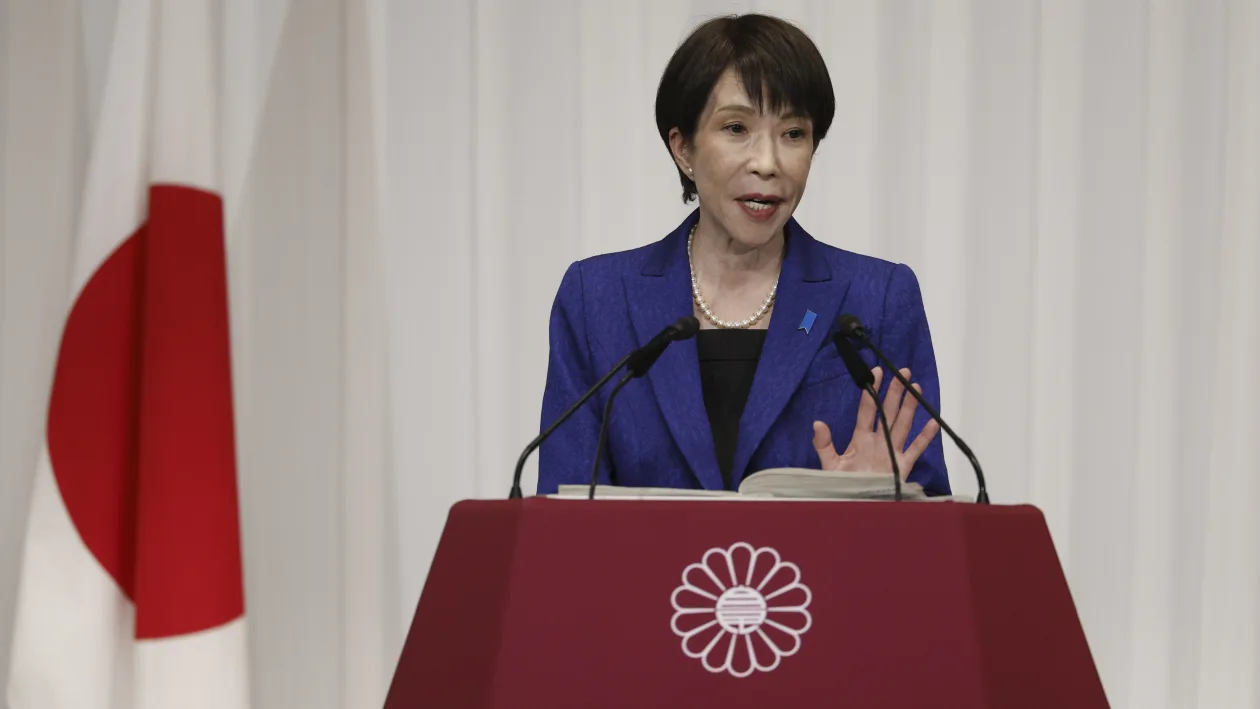
The guidance arrives at a politically sensitive moment. Prime Minister Sanae Takaichi’s recent electoral victory has intensified debate over Japan’s economic direction, particularly regarding the balance between monetary normalization and fiscal stimulus.
Monetary Policy and Central Bank Independence
In its preliminary policy recommendations, the IMF emphasized the importance of the Bank of Japan maintaining independence and credibility. According to the Fund, the central bank’s gradual withdrawal from ultra-loose monetary policy is appropriate given sustained inflationary pressures.
Japan’s inflation rate has exceeded the Bank of Japan’s 2 percent target for nearly four consecutive years. After ending a long-standing stimulus program in 2024, the BOJ raised interest rates several times, including a December increase that lifted the policy rate to 0.75 percent, the highest level in three decades.
The IMF stated that continued gradual rate hikes would help guide the policy rate toward a neutral level by 2027, assuming current economic projections remain intact. A neutral rate is one that neither stimulates nor restricts economic growth.
The Fund underscored that inflation expectations remain anchored partly because markets view the BOJ as operating independently from political influence.
Fiscal Concerns and Consumption Tax Debate
While monetary tightening is underway, fiscal policy remains a point of contention. Prime Minister Takaichi has pledged to suspend the 8 percent consumption tax on food for two years, a move aimed at easing cost-of-living pressures.
The IMF cautioned against reducing the consumption tax, arguing that such measures would shrink fiscal space and elevate long-term risks. Fiscal space refers to a government’s capacity to respond to crises through spending or stimulus without jeopardizing debt sustainability.
Even if limited to essential goods and designed as a temporary relief measure, the IMF warned that cutting the sales tax would still carry budgetary costs. The organization urged Japan to avoid additional fiscal loosening in the near term.
Debt Burden and Rising Interest Payments
Japan’s public debt remains among the highest in the developed world relative to gross domestic product. Approximately one-quarter of government spending is financed through borrowing.
A significant portion of Japan’s sovereign debt is held by the Bank of Japan, a legacy of years of large-scale bond purchases aimed at combating deflation. As the central bank scales back bond-buying and reduces its balance sheet, private investors will likely assume a greater share of government debt.
The IMF projected that interest payments on government debt could double between 2025 and 2031 as bonds are refinanced at higher yields. Such a shift would add strain to public finances, particularly if fiscal deficits widen.
The Fund called for a credible medium-term fiscal framework supported by a clearly defined fiscal anchor. A fiscal anchor typically establishes measurable targets for debt or deficit levels to reassure markets about long-term sustainability.
Bond Market Stability and Liquidity
The IMF also highlighted the importance of monitoring bond market liquidity during the transition away from ultra-accommodative policy. As the BOJ reduces its presence in the bond market, demand dynamics may shift among institutional investors.
If market volatility threatens liquidity, the IMF suggested that the central bank could deploy targeted interventions, such as temporary bond purchases, to stabilize conditions. However, such actions should remain exceptional rather than routine.
Currency Policy and Exchange Rate Flexibility
On currency management, the IMF welcomed Japan’s commitment to a flexible exchange rate regime. Allowing the yen to fluctuate in response to market forces can help absorb external shocks and support the central bank’s focus on price stability.
Exchange rate flexibility provides an additional buffer during periods of global economic uncertainty, reducing the need for abrupt policy adjustments.
Political Backdrop and Market Sensitivity
Prime Minister Takaichi’s electoral success has raised questions about potential tension between fiscal ambitions and monetary tightening. Markets reacted cautiously late last year when proposals for expanded spending and tax relief coincided with rising interest rates, leading to bond and currency volatility.
The IMF’s recommendations signal concern that excessive fiscal easing at a time of rising borrowing costs could undermine confidence in Japan’s economic management.
As Japan navigates the transition from years of ultra-loose policy toward normalization, the interplay between fiscal decisions and monetary independence remains central to market stability.
ALSO READ:Trump Announces $36 Billion Japan-Backed Energy and Industrial Expansion Across Three U.S. States