Uganda Billionaire Ranking offers a revealing snapshot of how economic power is concentrated in one of Africa’s smaller frontier markets. In a $65 billion economy where public equity remains thin and disclosure is limited, private fortunes have accumulated largely outside formal capital markets.
The latest asset-based estimates place the combined wealth of Uganda’s 15 largest private capital holders at roughly $10.3 billion. That figure amounts to nearly one-sixth of national output, according to World Bank GDP data (https://data.worldbank.org/country/uganda). The ranking reflects indicative valuations based on property holdings, industrial exposure, distribution networks and equity stakes. None of the figures are audited declarations.
Unlike wealth lists built on listed portfolios, the Uganda Billionaire Ranking is defined by physical assets – land, buildings, fuel stations, factories and telecom shares. Ownership of income-producing property in Kampala’s commercial corridors remains the dominant multiplier.
1. Hamis Kiggundu – Estimated $1.35 Billion
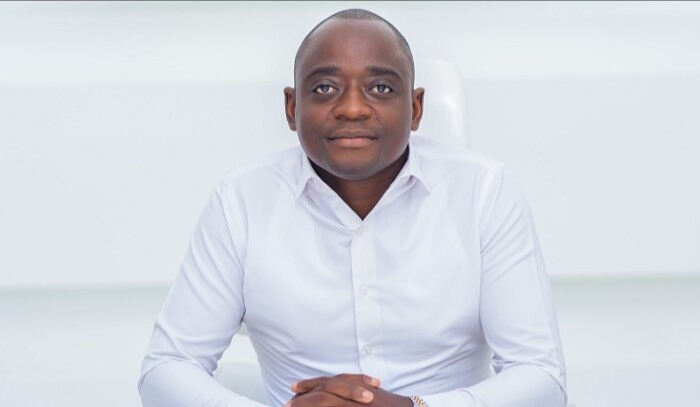
Kiggundu sits at the top of the Uganda Billionaire Ranking, with a portfolio anchored in large-scale commercial real estate across Kampala. His developments span mixed-use towers, retail complexes and redevelopment projects tied to urban infrastructure upgrades.
Recent diversification into industrial infrastructure and fintech suggests an attempt to move beyond pure property exposure. Still, occupancy rates, lease yields and land appreciation remain central to valuation.
2. Sudhir Ruparelia – Estimated $1.2 Billion
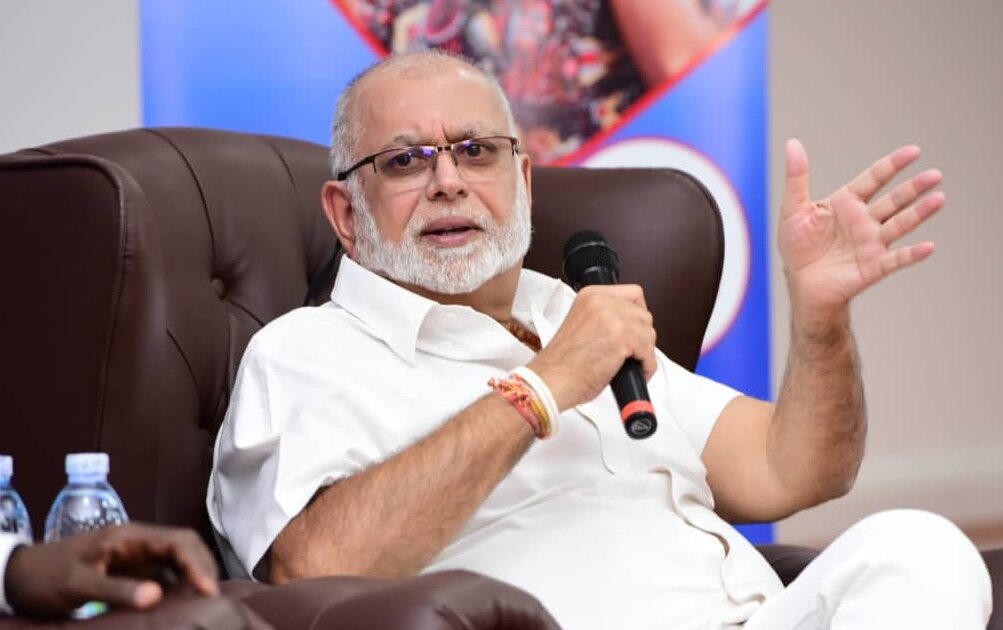
Ruparelia’s wealth is layered across hospitality, commercial real estate, education and insurance. The Ruparelia Group controls high-profile hotels and extensive property holdings, offering a more diversified structure than many CBD-focused landlords.
Hospitality earnings, however, are sensitive to tourism cycles and currency volatility, leaving parts of the portfolio exposed to macroeconomic shifts.
3. John Bosco Muwonge – Estimated $850 Million+
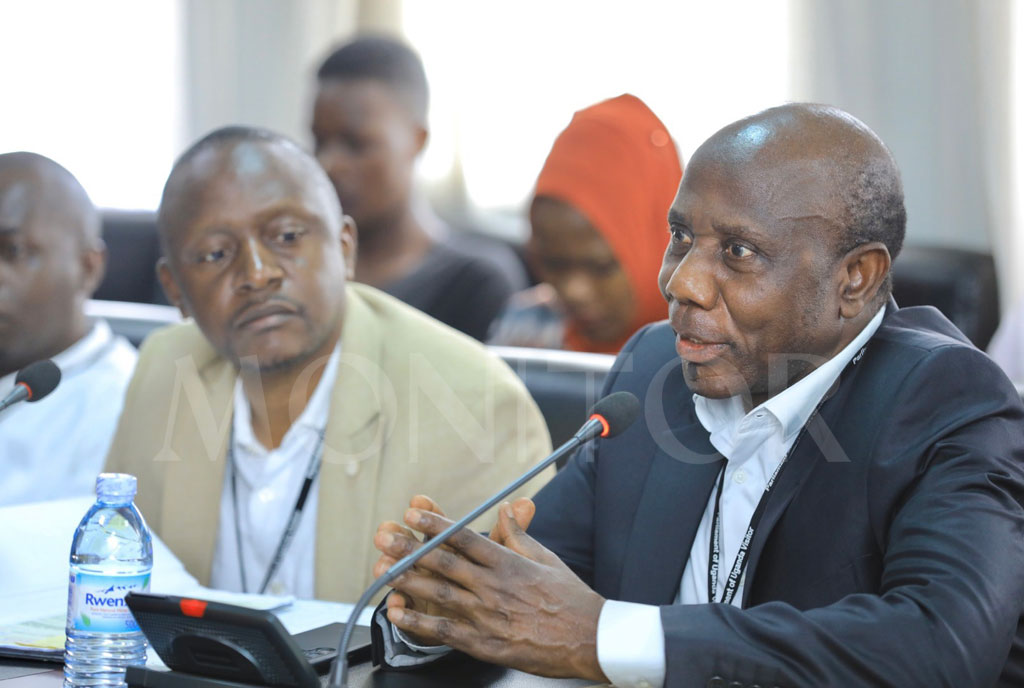
Muwonge’s assets are concentrated in Kampala’s central trading corridors. His model is straightforward: high-density retail property generating continuous rental income.
The scarcity of prime CBD land underpins his valuation. Foot traffic and tenant turnover act as primary drivers of recurring revenue.
4. Drake Lubega – Estimated $800 Million+
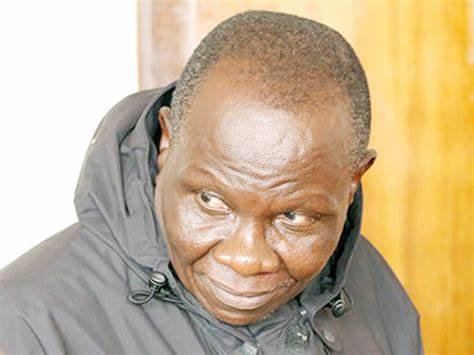
Lubega has accumulated arcades and commercial buildings across Kampala’s busiest retail districts. Industrial facilities and education interests provide limited diversification, but property remains the balance-sheet anchor.
5. Mansour Matovu – Estimated $785 Million
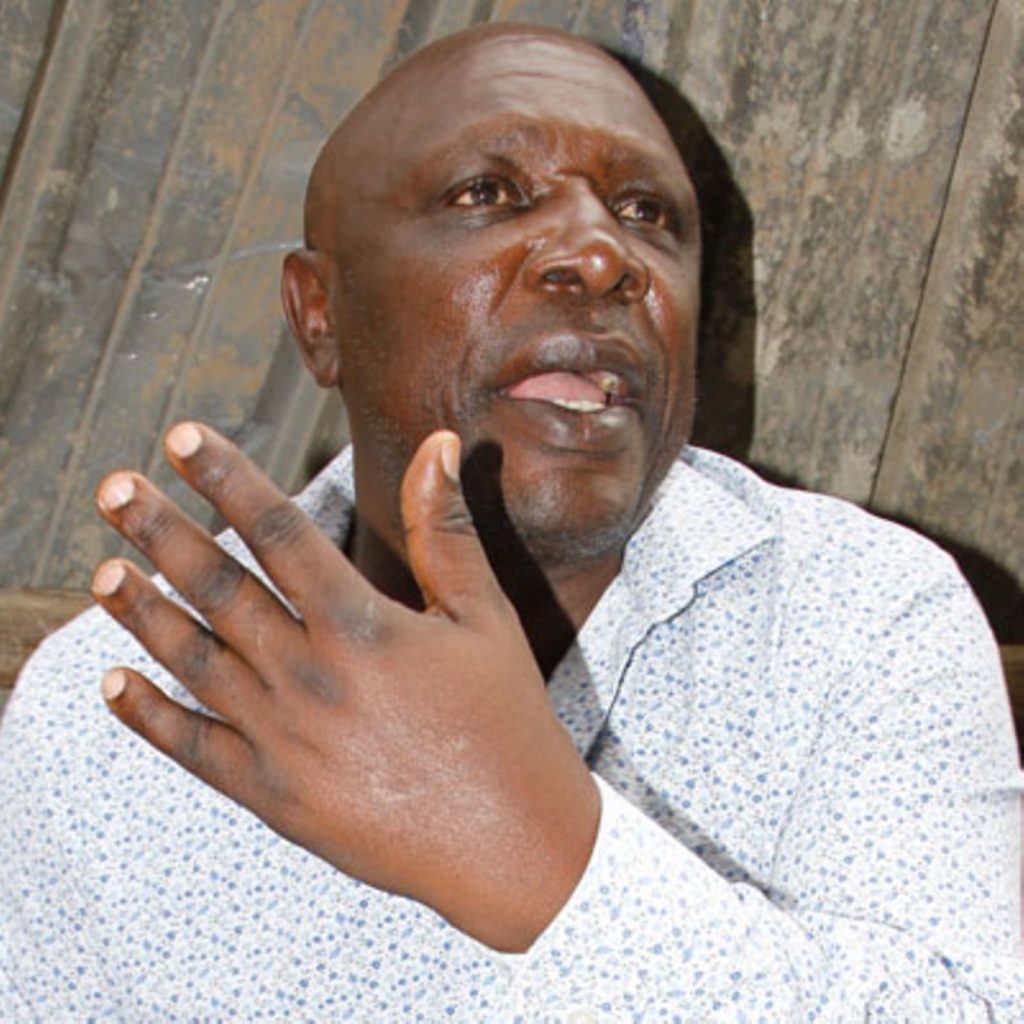
Matovu transitioned from logistics and imports into large-scale real estate development in the 1990s. His portfolio of arcades and plazas produces steady rental income tied to inner-city trade.
Like peers above him, valuation depends heavily on land positioning and occupancy stability.
6. Karim Hirji – Estimated $785 Million+
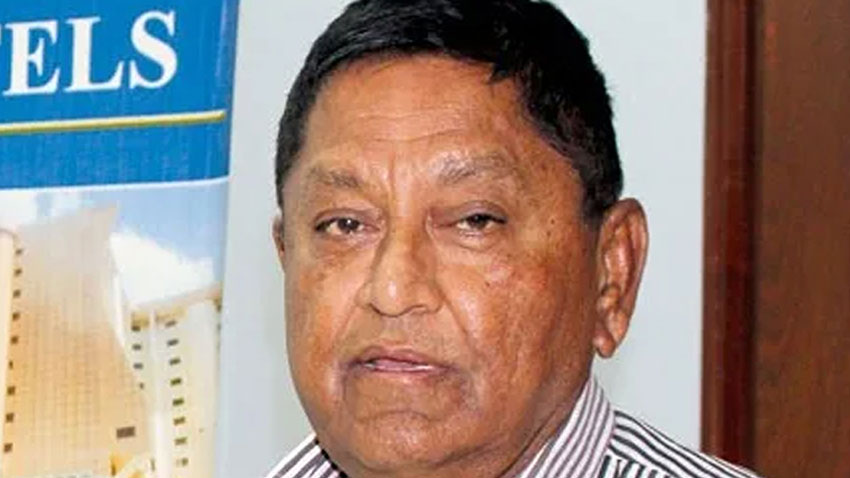
Hirji’s Dembe Group combines hotel operations with commercial property and automotive distribution. Imperial Hotels anchor his exposure to tourism and conference business, while Cham Towers stabilizes returns through commercial leasing.
The portfolio blends operational revenue with asset-backed capital preservation.
7. Christine Nabukeera – Estimated $710 Million+

Nabukeera’s holdings center on commercial malls and upscale residential developments. Strategic land acquisition and long-term appreciation form the foundation of her wealth structure.
The portfolio is property-centric, with performance closely tied to urban growth and infrastructure expansion.
8. Tom Kitandwe – Estimated $700 Million+
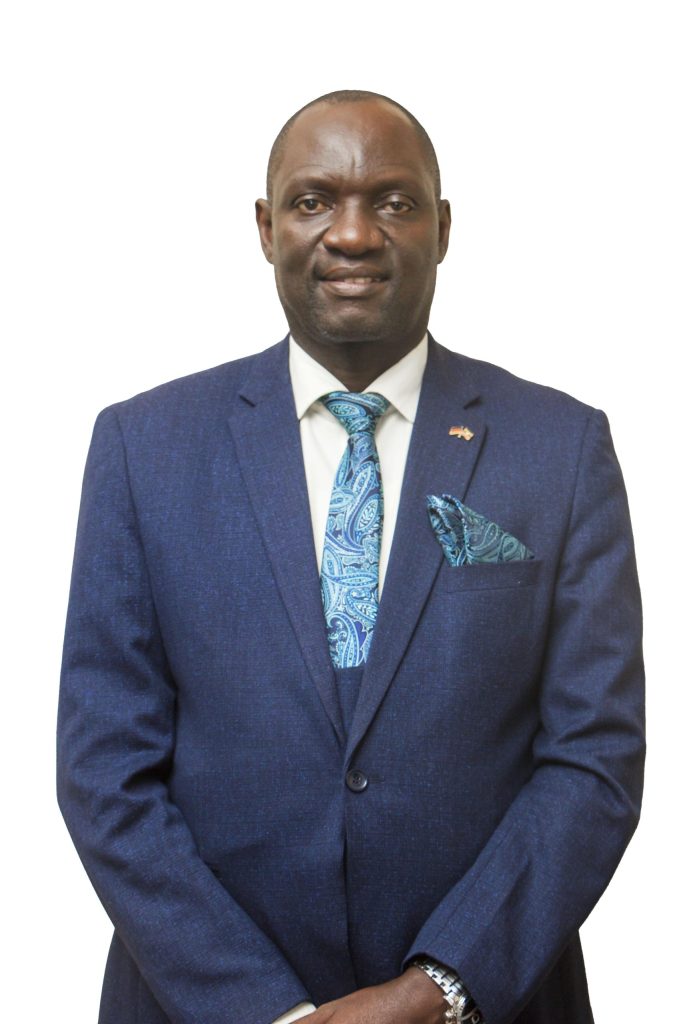
Kitandwe began as a trader before reinvesting into commercial property at major Kampala intersections. His assets now include multiple landmark buildings in dense retail zones.
Land holdings and agribusiness operations add a secondary layer of exposure, though commercial property remains dominant.
9. Guster Lule Ntake – Estimated $670 Million+
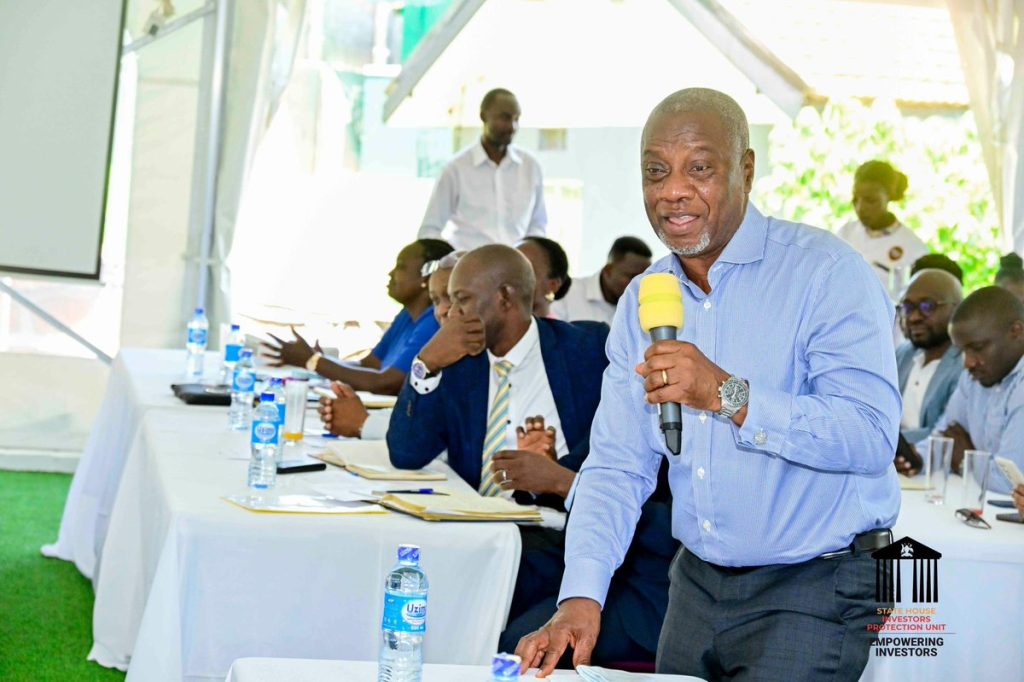
Ntake’s structure blends hospitality, agriculture and manufacturing. Food processing introduces industrial scale, distinguishing him from pure landlords.
Even so, property holdings continue to provide stability and capital backing.
10. Godfrey Kirumira – Estimated $615 Million+
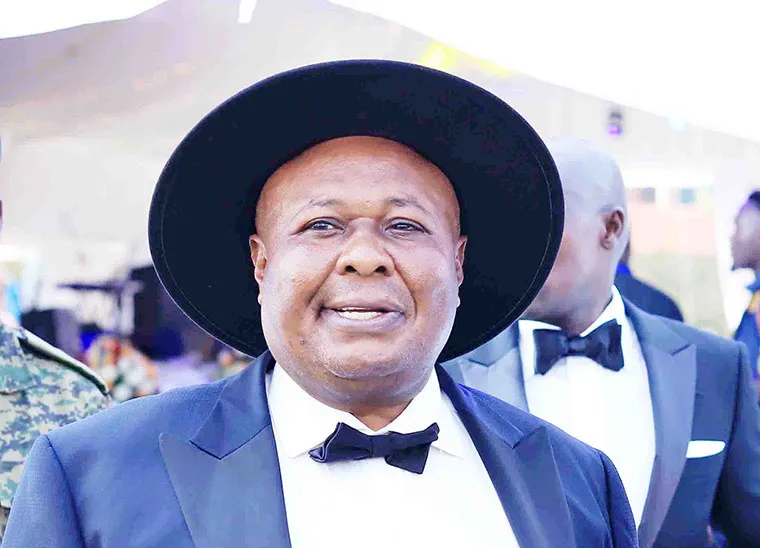
Kirumira’s capital base begins with petroleum distribution. Fuel retail generates steady cash flow, which he has reinvested into commercial buildings and telecom infrastructure partnerships.
This hybrid structure is more turnover-driven than land-centric, yet still relies on asset accumulation for long-term stability.
11. Charles Mbire – Estimated $600 Million+
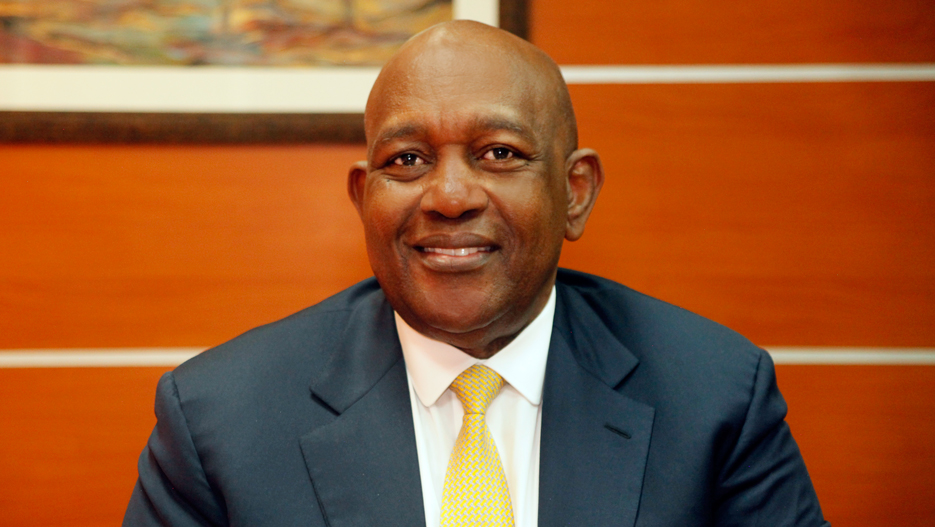
Mbire stands out in the Uganda Billionaire Ranking as an equity-oriented industrialist. His stake in MTN Uganda anchors much of his valuation, linking his wealth to corporate earnings and dividend policy (Uganda Securities Exchange: https://use.or.ug).
Unlike CBD landlords, his fortune fluctuates with market performance rather than rental yield.
12. Amos Nzeyi – Estimated $550 Million+
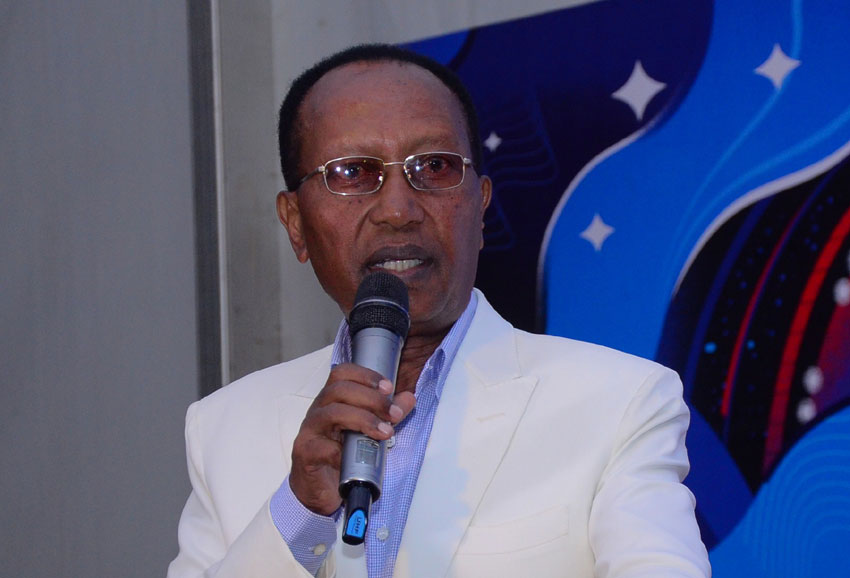
Nzeyi’s wealth is rooted in beverage manufacturing through Crown Beverages, Uganda’s Pepsi bottler. Production scale and consumer demand drive valuation more than land appreciation.
Hospitality and international assets provide additional diversification.
13. Ahmed Omar Mandela – Estimated $535 Million+
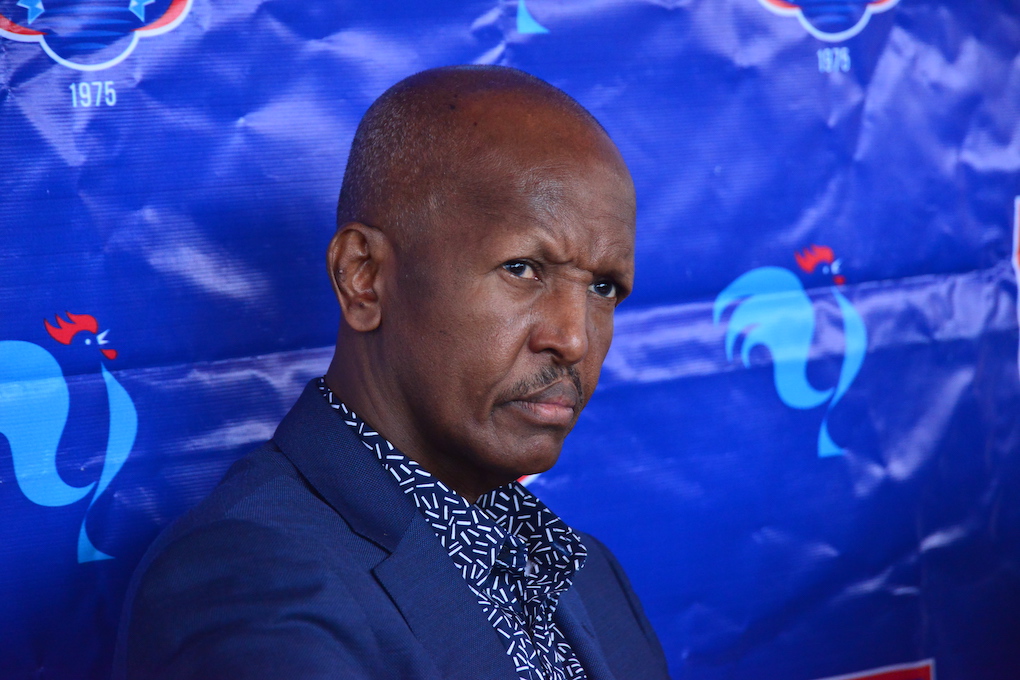
Mandela built his fortune through vertically integrated distribution networks. Petroleum retail under City Oil supplies liquidity, while hospitality and milling operations capture downstream value.
His model ties capital performance to fuel pricing, import costs and consumer demand cycles.
14. Haruna Ssentongo – Estimated $490 Million+
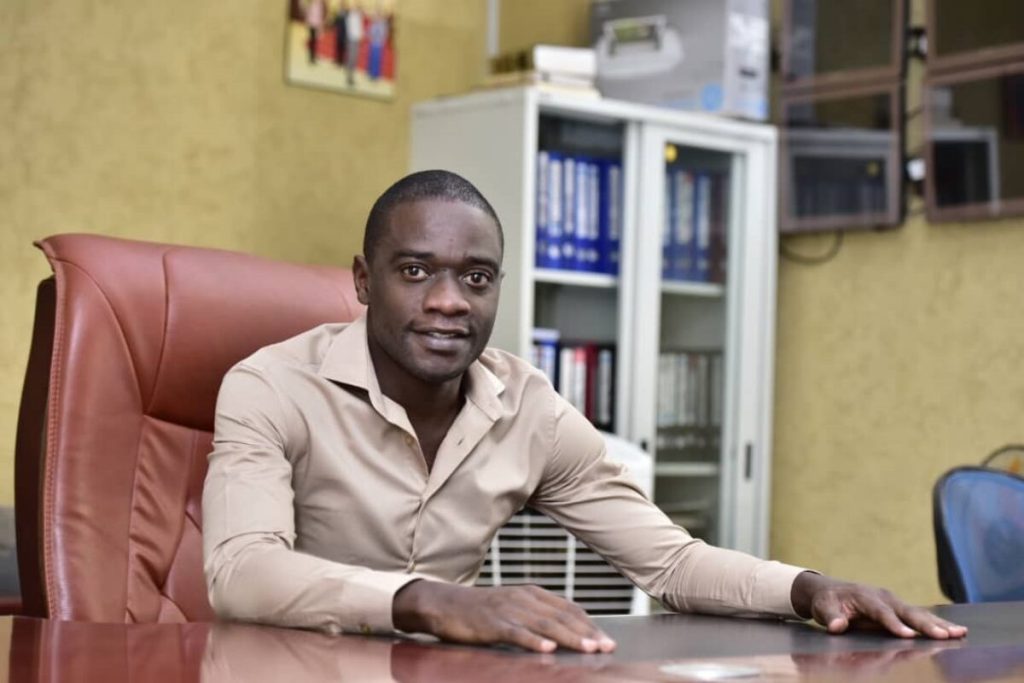
Ssentongo has focused on redeveloping high-density market spaces in Kampala. Rental income from arcades and mixed-use buildings forms the core of his valuation.
Urban redevelopment, rather than industrial production, defines his capital growth.
15. Patrick Bitature – Estimated $220 Million+
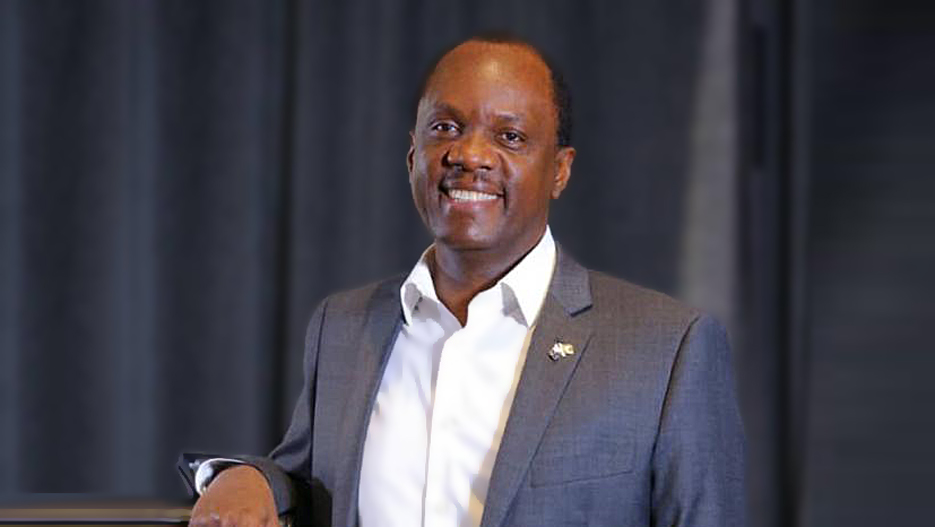
Bitature’s early gains came from telecom distribution during market liberalization. Subsequent investments in energy infrastructure and hospitality diversified his holdings.
Energy exposure introduces regulatory risk but provides infrastructure-linked stability.
What the Uganda Billionaire Ranking Signals
The Uganda Billionaire Ranking underscores how asset control – especially prime urban land – remains the primary engine of wealth formation. In an economy where capital markets are still developing, ownership of buildings, distribution networks and industrial plants compounds faster than wage income.
The implications are structural. When capital is concentrated in fixed assets, entry barriers rise. Access to financing, regulatory approval and large-scale land acquisition limit broader participation in appreciation cycles.
As Uganda moves toward oil production and deeper digital finance integration, the evolution of the Uganda Billionaire Ranking will serve as a barometer of whether capital formation broadens or consolidates further. For now, the balance of economic influence remains firmly anchored in private asset ownership rather than public equity markets.